
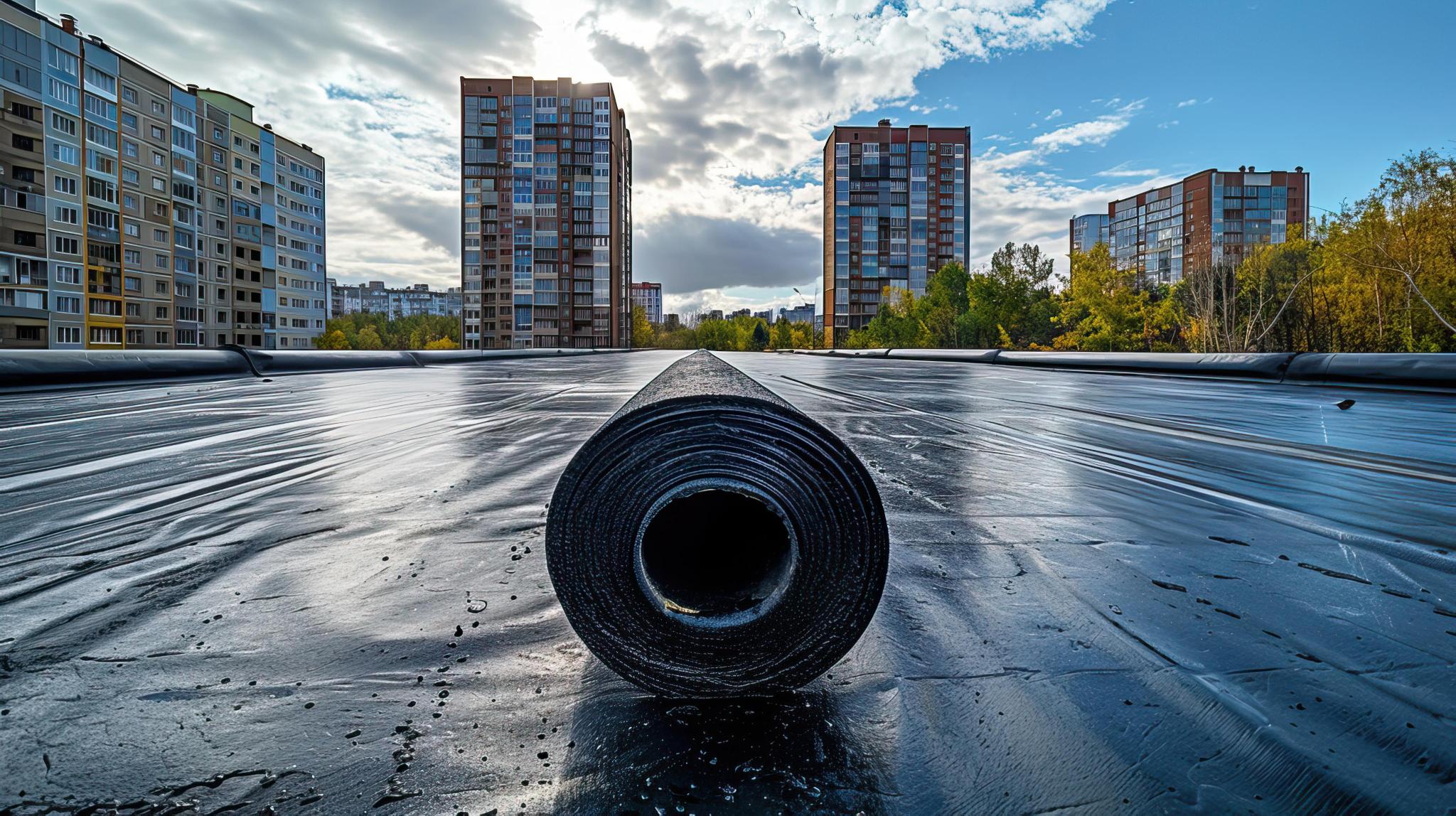
Singapore’s bituminous waterproofing market is supported by public housing, transport infrastructure, commercial developments, healthcare projects, industrial facilities, and urban redevelopment. Bituminous membranes and coatings are commonly used for roofs, basements, tunnels, foundations, podiums, retaining structures, and other areas exposed to water ingress. Preliminary construction demand reached S$50.5 billion in 2025, while demand is projected at S$47–53 billion in 2026. Singapore’s dense urban environment and heavy rainfall further strengthen the need for durable and technically reliable waterproofing systems.
Demand Drivers Strengthening Singapore’s Bituminous Waterproofing Industry
Major Construction Projects Support High-Value Applications
Singapore continues to maintain a strong pipeline of institutional, housing, transport, hospitality, and infrastructure projects. Construction demand is expected to remain between S$47 billion and S$53 billion in 2026, supported by Changi Terminal 5, Marina Bay Sands expansion, Tengah General and Community Hospital, Downtown Line extensions, and other large developments. Bituminous waterproofing products are relevant across underground structures, roofs, foundations, tunnels, podium decks, and utility areas where long-term moisture protection is critical.
Public Housing Broadens Recurring Demand
Public housing remains another important demand source. HDB plans to launch around 19,600 BTO flats in 2026, after completing about 19,600 flats across 28 housing projects in 2025. Waterproofing systems are required in roofs, bathrooms, balconies, planter areas, basements, and structural joints, creating recurring opportunities for membrane suppliers and specialist contractors.
Rail and Underground Infrastructure Increase Technical Requirements
Singapore’s rail expansion creates substantial opportunities for waterproofing in tunnels and underground stations. The Cross Island Line will extend for more than 50 kilometres, with Phase 1 covering 29 kilometres and Phase 2 another 15 kilometres. These underground projects require robust protection against groundwater penetration and long-term structural deterioration.
Government Development Programs Supporting Waterproofing Demand in Singapore
Government-backed infrastructure and housing programs continue to support construction-material demand. BCA expects medium-term construction demand to average S$39–46 billion annually from 2027 to 2030, supported by public housing, Changi Terminal 5, hospitals, educational facilities, and urban developments. At the same time, continued MRT expansion and public-sector building programs are creating a stable project pipeline for waterproofing suppliers and specialist applicators.
Competitive Conditions Across Singapore’s Bituminous Waterproofing Industry
Singapore’s bituminous waterproofing industry includes multinational construction-chemical suppliers, regional manufacturers, importers, distributors, specialist contractors, and membrane applicators. Competition centers on membrane durability, adhesion, flexibility, installation efficiency, water resistance, project certification, price, and technical support. Suppliers with established contractor relationships, strong specification capabilities, reliable local inventory, and products suitable for underground and high-rise construction can compete more effectively in complex projects.
Challenges Influencing Singapore’s Bituminous Waterproofing Industry
Heavy Rainfall Raises Performance Expectations
Singapore receives substantial rainfall, averaging around 171 rain days annually and a long-term mean rainfall of approximately 2,113 mm at Changi. In 2025, Changi recorded about 2,833.5 mm, 34% above its long-term average. These conditions increase pressure on membrane durability, drainage design, detailing, and installation quality.
Imported Materials and Project Costs
Singapore depends heavily on imported construction materials and specialty chemical inputs. Freight movements, petroleum-derived bitumen prices, labor expenses, and stringent project specifications can increase installation costs and pressure supplier margins.
Future Outlook
As Singapore continues investing in public housing, transport systems, healthcare facilities, airport expansion, and urban redevelopment, bituminous waterproofing should remain important across underground, roofing, foundation, and infrastructure applications. Construction demand is expected to remain near S$47–53 billion in 2026, while the medium-term pipeline remains substantial. As the market progresses, demand should increasingly favor durable, polymer-modified, self-adhesive, and installation-efficient waterproofing systems. Suppliers combining proven product performance, technical expertise, local availability, and strong applicator networks should remain well positioned.
Consultants at Nexdigm, in their latest publication “Singapore Bituminous Waterproofing Market Outlook to 2035,” analyze the sector By Product Type (SBS Modified, APP Modified Membranes, Bituminous Emulsions and Oxidized Bitumen Products), By Application Sector (Residential, Commercial Infrastructure, Civil Engineering Projects and Industrial Facilities).
Nexdigm suggests that businesses in Singapore’s Bituminous Waterproofing Industry should expand contractor partnerships, invest in durable climate-resistant products, strengthen technical support, and develop cost-efficient waterproofing solutions for roofs, basements, foundations, and civil structures.
To take the next step, simply visit our Request a Consultation page and share your requirements with us.
Harsh Mittal
+91-8422857704