
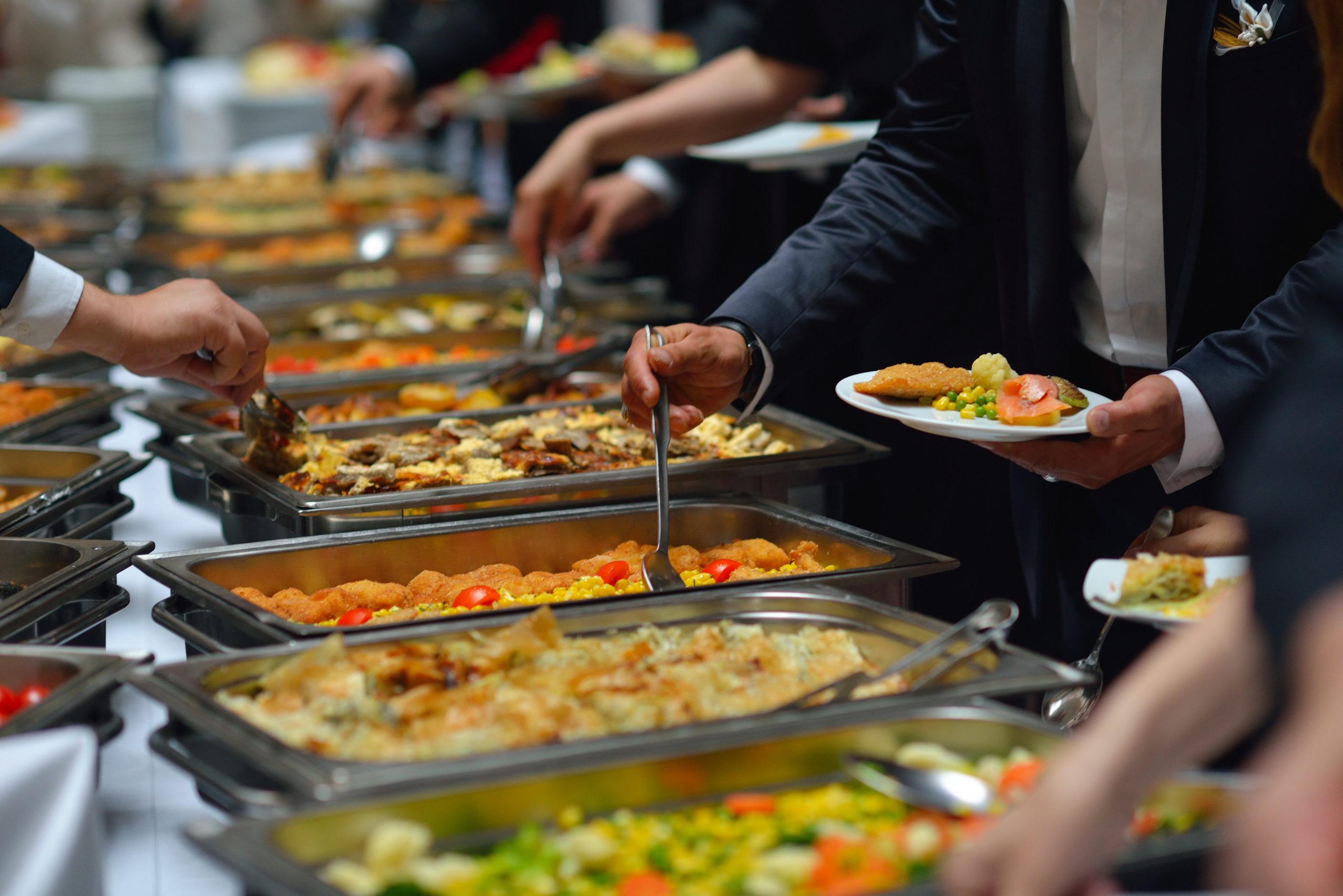
The Singapore catering market is undergoing steady transformation as corporate dining, institutional food services, and event-based catering expand in response to changing workplace patterns and lifestyle preferences. Singapore’s dense urban environment, strong hospitality sector, and status as a regional business hub continue to sustain demand for professional catering services. In 2026, the market is shaped by rising demand for convenient meal solutions, increasing corporate events, and a gradual return of large-scale exhibitions, conferences, and social gatherings. At the same time, cost pressures from manpower constraints and food price volatility are reshaping pricing models and service offerings. Catering providers are increasingly shifting toward value-added services, menu customization, and technology-enabled order management to protect margins and retain clients.
What’s Driving the Catering Market in Singapore?
Growth in Corporate Events and Hybrid Work Models
Singapore’s position as a regional headquarters for multinational firms continues to support demand for corporate catering. While hybrid work models have reduced daily office footfall, companies are investing more in town halls, training sessions, and client engagements to strengthen workplace culture. This has increased demand for scheduled bulk orders, meeting platters, and premium corporate catering packages. Co-working spaces and flexible offices are also emerging as recurring clients for event-based catering, creating steady demand for smaller but higher-frequency orders.
Tourism Recovery and Event-Led Demand
The recovery of international tourism and the steady pipeline of MICE events are strengthening demand for large-format catering services. Conferences, exhibitions, weddings, and corporate networking events are increasingly outsourcing food services to professional caterers to ensure compliance with food safety standards and consistency in service quality. Event organizers are also demanding more diverse menu options, including plant-based and culturally inclusive cuisines, reflecting Singapore’s global visitor base. This shift is encouraging caterers to diversify menus and invest in specialized culinary teams.
Rise of Institutional and Healthcare Catering
Institutional catering in healthcare facilities, educational institutions, and eldercare centers is becoming a stable demand segment. Singapore’s aging population is driving higher demand for nutrition-focused meal programs in hospitals and nursing homes. Caterers serving these segments are adapting menus to include therapeutic diets, portion-controlled meals, and culturally appropriate food options. Long-term catering contracts in these institutions offer revenue stability, even during periods of weaker discretionary spending in the events segment.
Government-Led Initiatives Supporting the Food Services Ecosystem
Singapore’s focus on food resilience and productivity improvements is indirectly benefiting the catering industry. National efforts to strengthen local food production are encouraging caterers to source more produce domestically, reducing supply chain risk and improving freshness. Workforce transformation initiatives and productivity grants are supporting investments in central kitchens, automated food preparation equipment, and digital order management systems. These initiatives are helping caterers cope with manpower shortages and rising operating costs while maintaining service consistency across large-scale orders.
Market Competition and Service Differentiation
The Singapore catering market remains competitive, with a mix of established catering groups and specialized niche providers. Differentiation is increasingly based on menu innovation, reliability of service, and ability to manage large-scale events. Corporate clients are prioritizing caterers that can provide consistent quality across multiple locations, while event organizers value logistical reliability and food presentation. The emergence of digital ordering platforms and integrated logistics is improving price transparency and shortening lead times, raising service expectations across the market.
Rising Cost Pressures and Labor Constraints
Caterers in Singapore continue to face rising input costs, particularly for fresh ingredients and manpower. The industry remains labor-intensive, and staffing shortages increase reliance on part-time and outsourced labor. These cost pressures limit pricing flexibility, especially for long-term institutional contracts with fixed pricing structures. In response, operators are investing in semi-automation, centralized food preparation, and menu engineering to protect margins.
Future Outlook
The Singapore catering market is expected to grow steadily through 2035, supported by corporate demand, tourism recovery, and expansion of institutional food services. Growth will be driven by premiumization in corporate catering, rising demand for health-focused menus, and technology adoption in order processing and kitchen operations. By 2035, the market is likely to become more structured, with greater adoption of centralized kitchens, standardized food safety protocols, and digital platforms for contract management. While cost pressures will remain a challenge, caterers that focus on operational efficiency, menu innovation, and long-term institutional partnerships are expected to gain sustainable market share.
Consultants at Nexdigm, in their latest publication “Singapore Catering Market Outlook to 2035”, analyzed the market by Service Type (Corporate Catering, Institutional Catering, Event Catering), By Cuisine Type (Asian, Western, Plant-Based, Mixed Menus), and By End User (Corporate Offices, Healthcare & Education Institutions, Events & Social Functions). Nexdigm believes that businesses should prioritize operational efficiency, scalable central kitchen models, and customized corporate catering solutions to capture long-term growth in Singapore’s catering ecosystem.
To take the next step, simply visit our Request a Consultation page and share your requirements with us.
Harsh Mittal
+91-8422857704