
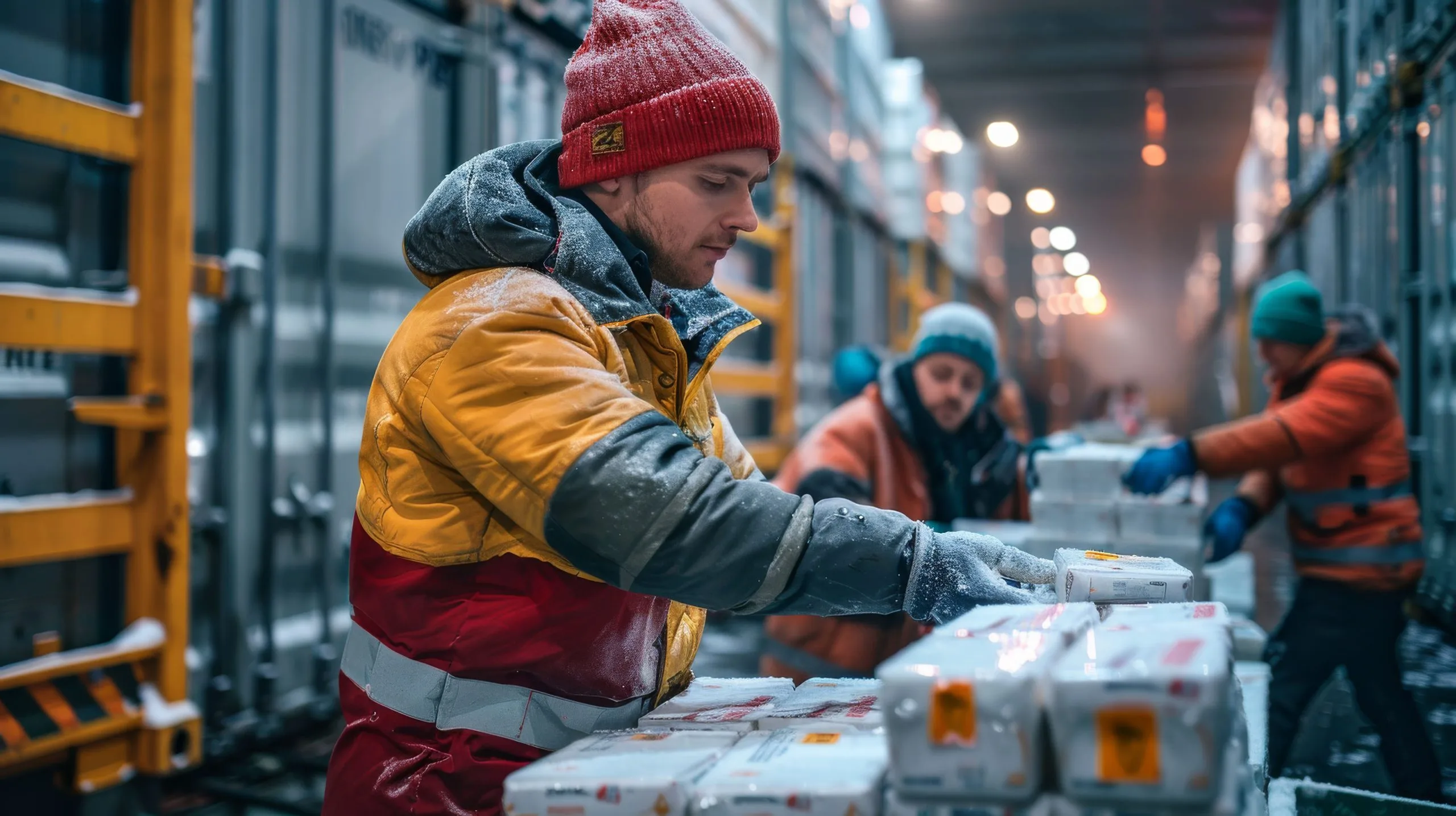
Singapore cold chain logistics market has been evolving steadily, shaped largely by necessity rather than choice. The country imports the vast majority of its food, and that alone makes temperature-controlled logistics indispensable. By 2026, more than 90% of food consumed locally comes from overseas, which leaves little room for inefficiencies in storage or transport. Alongside this, Singapore has quietly built a strong foothold in pharmaceutical manufacturing and distribution. Vaccines, biologics, and specialty drugs all depend on precise temperature handling, and that has pushed logistics providers to upgrade capabilities faster than in many neighboring markets.
What’s Driving the Cold Chain Logistics Market in Singapore?
Dependence on Imported Food Supplies
Food security is a constant concern in Singapore, and cold chain infrastructure plays a central role in addressing it. Fresh seafood from Norway, fruits from Australia, and meat from Brazil all pass through temperature-sensitive supply chains before reaching supermarket shelves. Even with the government’s “30 by 30” initiative aiming to boost local production, imports will remain dominant. In practice, this means logistics operators must maintain consistency across long transit routes, port handling, and last-mile delivery. A minor breakdown in temperature control can lead to spoilage within hours, which is not just a cost issue but also a supply risk.
Rising Complexity in Pharmaceutical Logistics
Pharmaceutical logistics in Singapore has moved far beyond basic refrigerated storage. Many newer therapies require strict temperature bands, sometimes as low as -70°C. This has forced companies to rethink infrastructure, from specialized freezers to real-time monitoring systems that track temperature deviations instantly. It is not uncommon now for logistics providers to offer validated packaging, compliance audits, and contingency planning as part of their services. On the ground, this segment tends to deliver higher margins, but it also comes with tighter regulatory scrutiny and operational pressure.
Growth of E-commerce and Cold Delivery Networks
Online grocery platforms have changed how cold chain logistics operates at the consumer level. Instead of bulk deliveries to retail outlets, companies now handle smaller, frequent orders directly to households. This shift sounds simple, but it complicates logistics significantly. Maintaining product freshness across multiple short delivery routes requires investment in refrigerated vans, route optimization software, and micro-fulfillment hubs. For many operators, the last mile has become the most expensive part of the chain. Yet, consumer expectations around freshness and delivery speed leave little room to cut corners.
Government-Led Initiatives
Singapore’s government has taken a fairly hands-on approach in modernizing logistics. Programs under the Logistics Industry Transformation Map focus on automation, workforce skills, and digital tools rather than just expanding capacity. Warehouses today increasingly feature automated storage systems and sensors that track conditions in real time. There is also a noticeable push toward greener operations, with incentives for energy-efficient cooling systems and sustainable building designs. While these initiatives help larger players move faster, smaller firms sometimes struggle to keep pace due to the upfront investment required.
Market Competition
Competition in this market is shaped by a mix of global expertise and strong regional players. Companies like DHL Supply Chain and DB Schenker bring established pharmaceutical logistics capabilities, particularly in compliance-heavy segments. On the other hand, local firms such as YCH Group and SATS Ltd have built deep familiarity with regional trade flows and food logistics. What stands out is the gradual shift toward technology-led differentiation. Automated cold storage, data-driven tracking, and integrated logistics platforms are becoming competitive advantages rather than optional upgrades. At the same time, informal or smaller operators still exist, especially in food distribution, creating a somewhat uneven playing field.
High Operational Costs and Space Constraints
Running cold chain facilities in Singapore is not cheap. Land scarcity pushes warehouse costs higher, and refrigeration systems consume large amounts of energy. For operators, this creates a constant balancing act between maintaining quality and managing expenses. A common challenge is scaling operations without significantly raising prices for clients. Smaller firms, in particular, often find it difficult to invest in advanced systems while staying competitive on pricing.
Future Outlook
Looking ahead, the market will likely become more technology-driven, though not without hurdles. Automation and AI-based monitoring tools are already being tested, and over time they may become standard practice. Smart warehouses capable of predicting equipment failures or adjusting temperatures dynamically could reduce wastage and improve efficiency. Sustainability will also move from being a talking point to a practical requirement. Energy-efficient refrigeration and alternative cooling methods are gaining attention, especially as operating costs continue to rise. At the same time, Singapore’s role as a regional redistribution hub for Southeast Asia will strengthen, particularly for pharmaceuticals and high-value food products.
Consultants at Nexdigm, in their latest publication “Singapore Cold Chain Logistics Market Outlook to 2035,” note that businesses should focus on integrating digital tracking systems, investing in energy-efficient infrastructure, and developing specialized capabilities for pharmaceutical logistics. Those who can balance cost control with reliability are likely to stand out in an increasingly demanding market.
To take the next step, simply visit our Request a Consultation page and share your requirements with us.
Harsh Mittal
+91-8422857704