
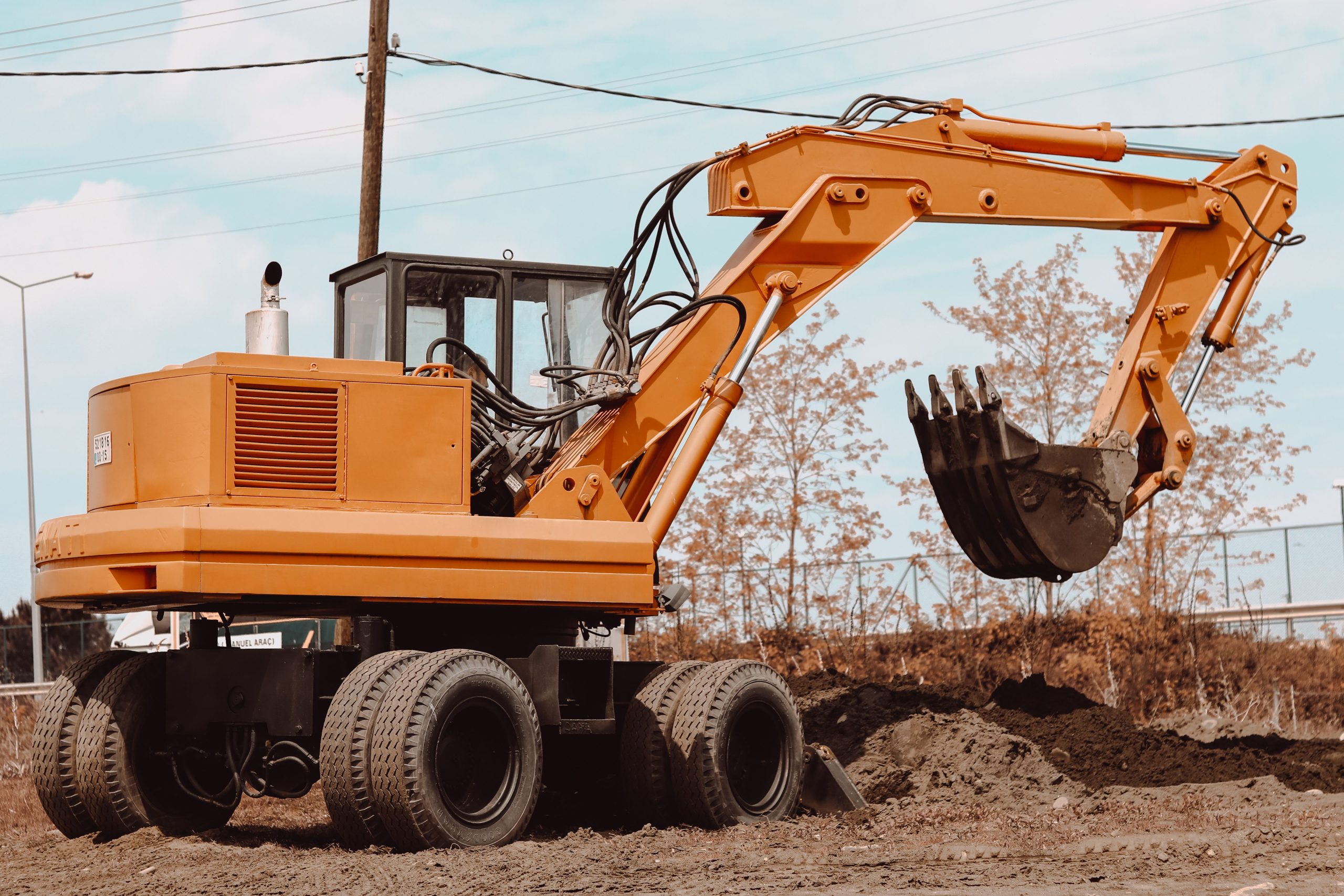
The Singapore construction equipment industry is undergoing significant transformation as the nation accelerates infrastructure modernization and sustainable urban development. Demand for advanced machinery is increasing across transportation, port expansion, industrial facilities, and smart city projects. The industry is projected to reach approximately USD 2.45 billion, supported by a growth rate of around 5.7% CAGR over the forecast period. Rising adoption of automated excavators, piling rigs, telematics-enabled equipment, and environmentally friendly machinery is reshaping equipment procurement strategies, creating new growth opportunities for manufacturers, distributors, and rental service providers.
Market Drivers Advancing Singapore Construction Equipment Growth
Expansion of Major Infrastructure Projects
Large-scale infrastructure investments remain a key contributor to industry growth. The ongoing development of the Tuas Mega Port, one of the world’s largest automated ports, is generating substantial demand for heavy-duty construction machinery, including piling rigs, cranes, excavators, and material-handling equipment. These projects require advanced equipment capable of operating efficiently in complex construction environments. Continued investments in transportation networks and urban redevelopment initiatives further support machinery demand.
Adoption of Smart Construction Technologies
Singapore’s construction sector is embracing digitalization through smart equipment and connected technologies. Contractors are increasingly utilizing machinery equipped with IoT sensors, GPS tracking, remote diagnostics, and predictive maintenance systems. These capabilities improve operational efficiency, reduce downtime, and optimize project execution. Automated and semi-autonomous equipment is also gaining traction as construction companies seek to improve productivity while addressing labor constraints.
Growing Demand for Sustainable Equipment Solutions
Environmental considerations are influencing purchasing decisions across the industry. Construction firms are gradually shifting toward electric and hybrid-powered machinery to reduce emissions and comply with sustainability targets. Demand for fuel-efficient equipment and intelligent fleet management platforms continues to rise as businesses aim to lower operating costs and improve environmental performance. This transition is encouraging manufacturers to introduce cleaner and more technologically advanced equipment portfolios.
Government Initiatives Supporting Singapore Construction Equipment Sector
Singapore’s government actively supports construction modernization through initiatives focused on digital transformation, sustainability, and productivity enhancement. Programs under the Building and Construction Authority (BCA) promote advanced construction methods, smart technologies, and green building standards. Regulations encouraging compliance with frameworks such as Green Mark certification are fostering demand for low-emission and energy-efficient equipment. Infrastructure investments linked to long-term urban planning strategies further strengthen industry expansion opportunities.
Competitive Landscape of Singapore Construction Equipment Industry
The Singapore construction equipment industry comprises global manufacturers, regional suppliers, and local distributors competing through technological innovation and service excellence. Major participants such as United Tractors, Komatsu, Caterpillar, Hitachi Construction Machinery, and Volvo Construction Equipment focus on delivering advanced machinery with enhanced automation and sustainability features. Companies are also strengthening after-sales service networks, equipment rental offerings, and digital fleet management capabilities to maintain competitive positions in the evolving industry environment.
Challenges Impacting Singapore Construction Equipment Growth
High Equipment Acquisition Costs
The adoption of technologically advanced and environmentally friendly machinery often requires substantial capital investment. Smaller contractors may face financial challenges when upgrading fleets or purchasing specialized equipment needed for major infrastructure projects.
Regulatory and Labor Constraints
Stringent environmental regulations and workforce limitations can affect operational efficiency. Companies must continuously invest in employee training, equipment compliance, and technology integration to meet evolving industry standards while maintaining project timelines.
Future Outlook
The future of Singapore’s construction equipment industry will be increasingly shaped by automation, artificial intelligence, telematics, and connected machinery. These technologies are expected to improve equipment utilization, productivity, and maintenance efficiency across construction projects.
Consultants at Nexdigm, in their latest publication “Singapore Construction Equipment Market Outlook to 2035 ,” analyze the sector By (BCA Infrastructure Tender Analysis, Historical Project Data Synthesis, OEM Supply Chain Mapping, Equipment Distributor Site Interviews, Top-down Macro Forecast Modeling).
Nexdigm suggests that businesses in the Singapore Construction Equipment Industry focus on opportunities emerging from smart infrastructure projects, port expansion activities, and sustainability-driven equipment adoption. Strengthening digital capabilities, offering energy-efficient machinery, and expanding rental services can help companies enhance competitiveness and capture long-term growth opportunities.
To take the next step, simply visit our Request a Consultation page and share your requirements with us.
Harsh Mittal
+91-8422857704