
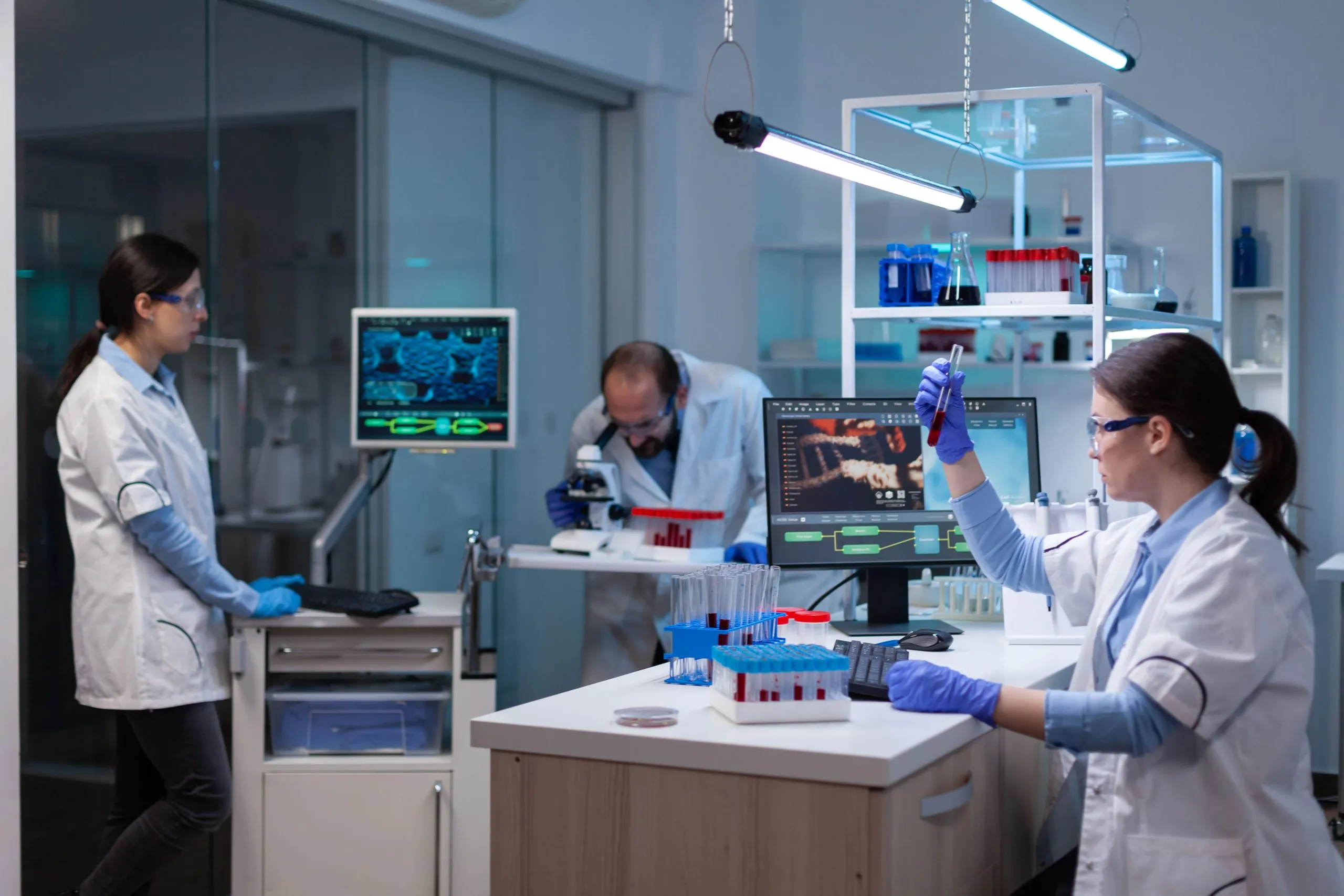
Singapore’s diagnostic labs market sits in a unique spot. It is not the largest testing market in Asia by volume, yet it often sets the benchmark for quality, turnaround time, and clinical reliability. That matters because healthcare buyers in the region, from hospitals to insurers, increasingly value accurate results as much as low prices. In 2026, demand for laboratory services in Singapore continues to rise across routine blood work, pathology, infectious disease screening, and advanced genetic testing. Part of the story is demographic. Singapore has one of the fastest-aging populations in Asia, and older populations need more frequent testing. Part of it is behavioral too. Preventive health checks are common, corporate wellness programs are well established, and patients are generally comfortable paying for premium care. Add strong hospital infrastructure and a trusted regulatory framework, and the market has a solid base for long-term expansion through 2035.
What’s Driving the Diagnostic Labs Market in Singapore?
Aging Population and Chronic Care Needs
Routine diagnostics are becoming a larger part of everyday healthcare. Diabetes, high cholesterol, kidney disease, and heart conditions all require recurring lab work rather than one-time tests. In practice, that means many patients return several times a year for monitoring. Singapore’s aging population reinforces this trend. Older adults tend to need broader and more frequent testing, especially when multiple conditions must be managed together. This kind of demand may look less dramatic than new technology headlines, but it is usually more dependable. Repeat testing creates stable volumes for labs and supports investment in automation.
Premium Healthcare and Medical Tourism
Singapore continues to attract patients from Indonesia, Malaysia, Vietnam, and parts of the Middle East for specialist treatment. Those patients rarely come for a single consultation. They need pre-surgery panels, imaging-linked blood tests, pathology reviews, and post-treatment monitoring. Diagnostic laboratories benefit directly from that patient flow. Private hospitals often prefer partner labs that can deliver fast, highly traceable results. For international patients paying premium rates, confidence matters more than saving a small amount on test fees. That gives Singapore an edge over lower-cost markets.
Shift Toward Genomics and Precision Testing
The next growth layer is higher-value testing. Cancer profiling, hereditary disease screening, fertility genetics, and pharmacogenomics are no longer niche categories. They are becoming part of mainstream specialist care. Singapore’s biomedical research base gives it a head start here. Still, there is a trade-off. Advanced tests carry higher prices and require specialist interpretation. Not every clinic needs them, and not every patient can justify the cost. Even so, margins are stronger in these categories than in routine chemistry panels, so labs will keep expanding their offerings.
Government-Led Initiatives Supporting Diagnostics
Public policy has quietly helped shape this market. Programs tied to preventive care, chronic disease management, and healthier aging encourage earlier screening and regular follow-up testing. Healthier SG, for example, places more emphasis on primary care engagement, which usually leads to more routine diagnostics over time. Singapore has also invested heavily in biomedical sciences and public health surveillance. That creates demand beyond hospitals alone. Research institutions, outbreak monitoring units, and specialty centers all require sophisticated lab capacity. The result is a market with more depth than its population size would normally suggest.
Market Competition and Industry Landscape
Competition is serious, though not chaotic. Large hospital networks run their own labs, while private operators compete on convenience, niche expertise, and service quality. Key participants include Pathology Asia, Parkway Laboratories, Quest Diagnostics, and public healthcare laboratory groups linked to major hospitals. On the ground, speed now matters almost as much as accuracy. Same-day reports, home sample collection, digital result portals, and specialist consultations can influence where patients and doctors send tests. Smaller labs without technology upgrades may find it harder to compete over time.
High Costs and Skilled Talent Shortages
A common challenge is cost pressure. Singapore is an expensive place to run any healthcare operation, and laboratories feel that through rent, wages, accreditation requirements, and imported equipment costs. Skilled lab technologists and pathologists are not easy to replace either. Automation helps, but machines do not solve everything. Complex pathology, molecular interpretation, and quality oversight still need trained professionals. That can slow expansion plans and keep pricing firm.
Future Outlook
Through 2035, Singapore’s diagnostic labs market should grow steadily in value rather than explode in volume. Routine testing will remain the backbone of the sector, while genomics, oncology diagnostics, and AI-assisted pathology bring stronger revenue per case. Home sample collection and digitally integrated lab services are likely to become standard expectations rather than premium extras. Singapore will probably never compete with regional giants on low-cost mass testing. That is not the point. Its strength lies in trusted results, specialist capability, and premium healthcare demand. For many providers and patients across Southeast Asia, that combination remains hard to replicate.
Consultants at Nexdigm, in their latest publication “Singapore Diagnostic Labs Market Outlook to 2035”, analyzed the market by Test Type (Clinical Chemistry, Hematology, Microbiology, Molecular Diagnostics, Histopathology), By End User (Hospitals, Clinics, Diagnostic Centers, Homecare, Research Institutions), and By Ownership (Public, Private, Independent Chains, Hospital-Based Labs). Nexdigm believes businesses should focus on specialty testing, automation, referral partnerships, and patient-friendly digital services to capture long-term opportunities in Singapore’s lab services market.
To take the next step, simply visit our Request a Consultation page and share your requirements with us.
Harsh Mittal
+91-8422857704