
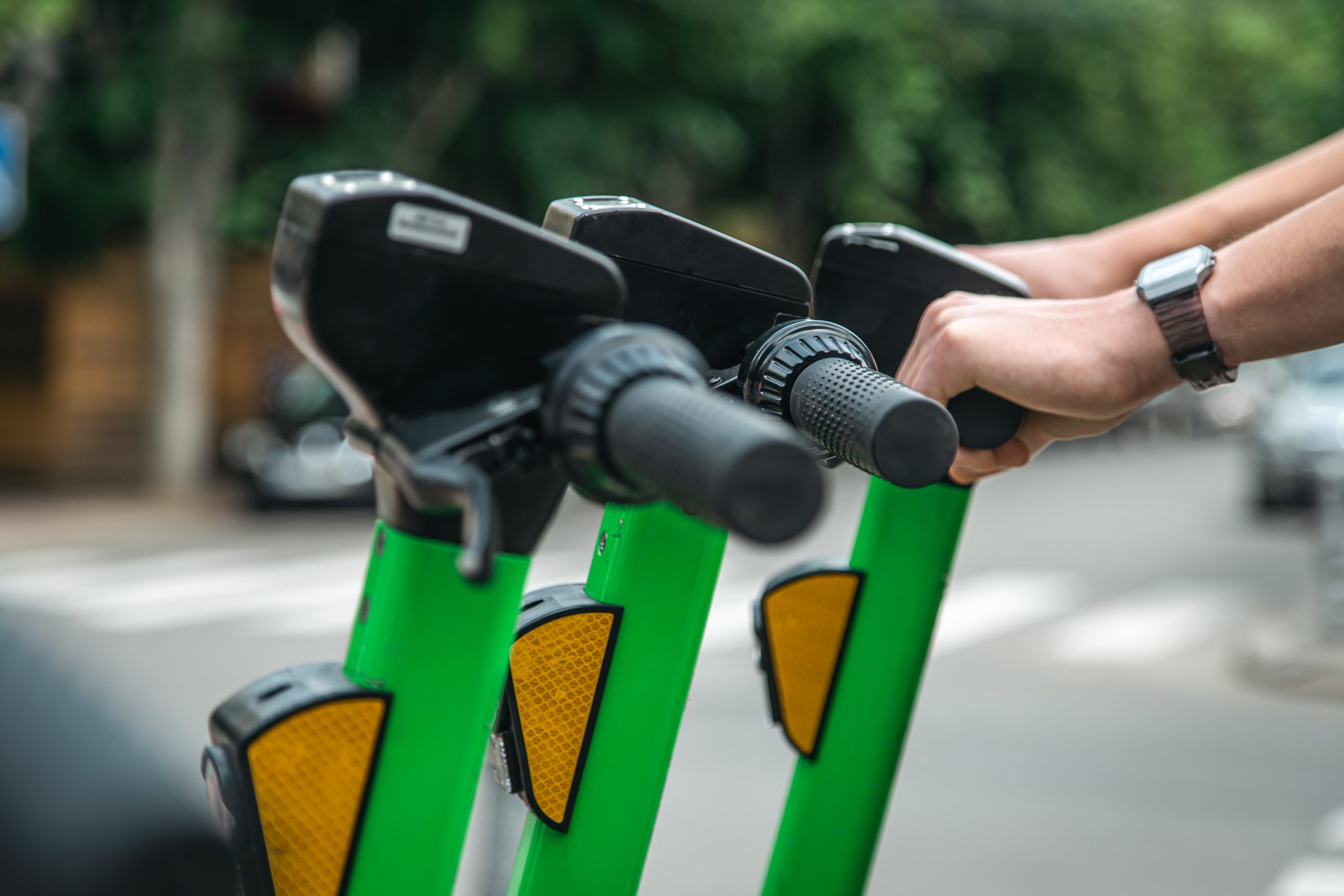
Singapore’s electric two-wheeler battery market is gradually developing as the country advances its transition towards cleaner transportation and sustainable urban mobility. Growing interest in electric motorcycles, delivery fleets and shared mobility services is creating opportunities for advanced battery technologies. Lithium-ion batteries are gaining preference due to their lightweight design, higher energy density, faster charging and longer operating life. However, electric motorcycle adoption remains at an early stage, with only 433 registered electric motorcycles as of July 2026, representing approximately 0.2% of Singapore’s motorcycle population.
Key Market Drivers Affecting Singapore Electric Two Wheeler Battery Industry
Growing Demand for Electric Delivery Fleets and Urban Mobility
The expansion of e-commerce, food delivery and last-mile logistics is creating opportunities for electric two-wheeler batteries in Singapore. Delivery operators are exploring electric motorcycles to reduce fuel expenses, improve fleet efficiency and support sustainability objectives. Electric two-wheelers are particularly relevant for short-distance urban transportation, where predictable routes and frequent stops can make fleet electrification commercially attractive. Increasing demand for commercial electric motorcycles is expected to generate opportunities for battery packs, replacement batteries and battery management systems.
Advancements in Lithium-Ion Battery Technologies
The growing adoption of lithium-ion battery technologies is supporting market development through improvements in energy density, charging efficiency and battery lifespan. LFP batteries are gaining attention because of their thermal stability, safety and longer cycle life, while NMC batteries offer higher energy density for performance-oriented motorcycles. Manufacturers are also investing in intelligent battery management systems, temperature monitoring and lightweight battery designs. These advancements are particularly important in Singapore, where compact vehicle designs, charging convenience and battery reliability influence purchasing decisions.
Expansion of Battery Swapping and Charging Infrastructure
Battery swapping is emerging as an important opportunity for Singapore’s electric motorcycle ecosystem. As of August 2026, Gogoro operated seven battery-swapping stations across Singapore, offering riders an alternative to conventional charging. Battery swapping can reduce vehicle downtime and support commercial fleet operations requiring continuous availability. Additionally, the development of controlled off-board charging facilities and compatible charging infrastructure is expected to improve battery accessibility and encourage wider adoption.
Government Support towards Singapore Electric Two Wheeler Battery Industry
Singapore is promoting electric mobility through the Singapore Green Plan 2030 and its broader ambition to transition towards cleaner-energy vehicles by 2040. The Land Transport Authority (LTA) is working with industry participants to facilitate safe motorcycle charging and battery-swapping infrastructure. However, in March 2026, the government confirmed that it had no plans to introduce dedicated purchase incentives for electric motorcycles, highlighting the importance of private-sector investment and infrastructure development.
Competitive Landscape of Singapore Electric Two-Wheeler Battery Industry
The competitive landscape includes international electric motorcycle manufacturers, battery technology providers and battery-swapping operators. Key participants include Gogoro, Cycle & Carriage, R.A.P., AIDEA, BMW Motorrad and Segway-Ninebot. Competition is increasingly focused on battery efficiency, vehicle range, charging convenience, affordability and after-sales support. Companies are exploring battery-swapping networks, fleet partnerships and advanced lithium-ion battery solutions to strengthen their market presence.
Market Challenges in the Singapore Electric Two-Wheeler Battery Industry
Low Electric Motorcycle Adoption and High Initial Costs
Electric motorcycles accounted for only 0.2% of Singapore’s registered motorcycle population in 2026. Limited driving range, relatively high purchase costs and the absence of dedicated purchase incentives continue to restrict consumer adoption.
Charging Infrastructure and Battery Safety Concerns
Limited battery-swapping networks and concerns regarding safe battery charging create operational challenges. Singapore also restricts direct charging of detachable batteries through ordinary wall sockets without an appropriate power management unit, highlighting the importance of standardized charging and safety solutions.
Future Outlook
Singapore’s electric two-wheeler battery market is expected to develop gradually through 2035, supported by sustainability objectives, commercial fleet electrification and improvements in battery technology. The expansion of battery-swapping networks, compatible charging facilities and advanced lithium-ion solutions will create opportunities for manufacturers and infrastructure providers. LFP battery adoption, smart battery management systems and improved recycling capabilities are expected to strengthen market development. Strategic partnerships between motorcycle manufacturers, logistics operators and battery technology companies will be important in overcoming adoption barriers and establishing a commercially viable electric two-wheeler ecosystem.
Consultants at Nexdigm, in their latest publication “Singapore Electric Two Wheeler Battery Market Outlook to 2035,” analyze the sector by By Battery Chemistry Type (Lithium-ion Variants, Lithium Iron Phosphate (LFP), Nickel Manganese Cobalt (NMC), Lithium Titanate (LTO), By Vehicle Application (Commercial Logistics Fleets, Personal E-Scooter Commuters, Food Delivery Service Platforms, Ride-Hailing Shared Mobility), and By Battery Ownership Model (Battery-as-a-Service, Direct OEM Purchase, Lease-to-Own Programs).
Nexdigm suggests that businesses in Singapore Electric Two Wheeler Battery Market should invest in advanced lithium-ion battery technologies, develop strategic partnerships with electric motorcycle manufacturers, and expand battery-swapping infrastructure. Companies should prioritize battery safety, cost optimization, recycling solutions and commercial fleet partnerships to capitalize on Singapore’s emerging electric two-wheeler market opportunities.
To take the next step, simply visit our Request a Consultation page and share your requirements with us.
Harsh Mittal
+91-8422857704