
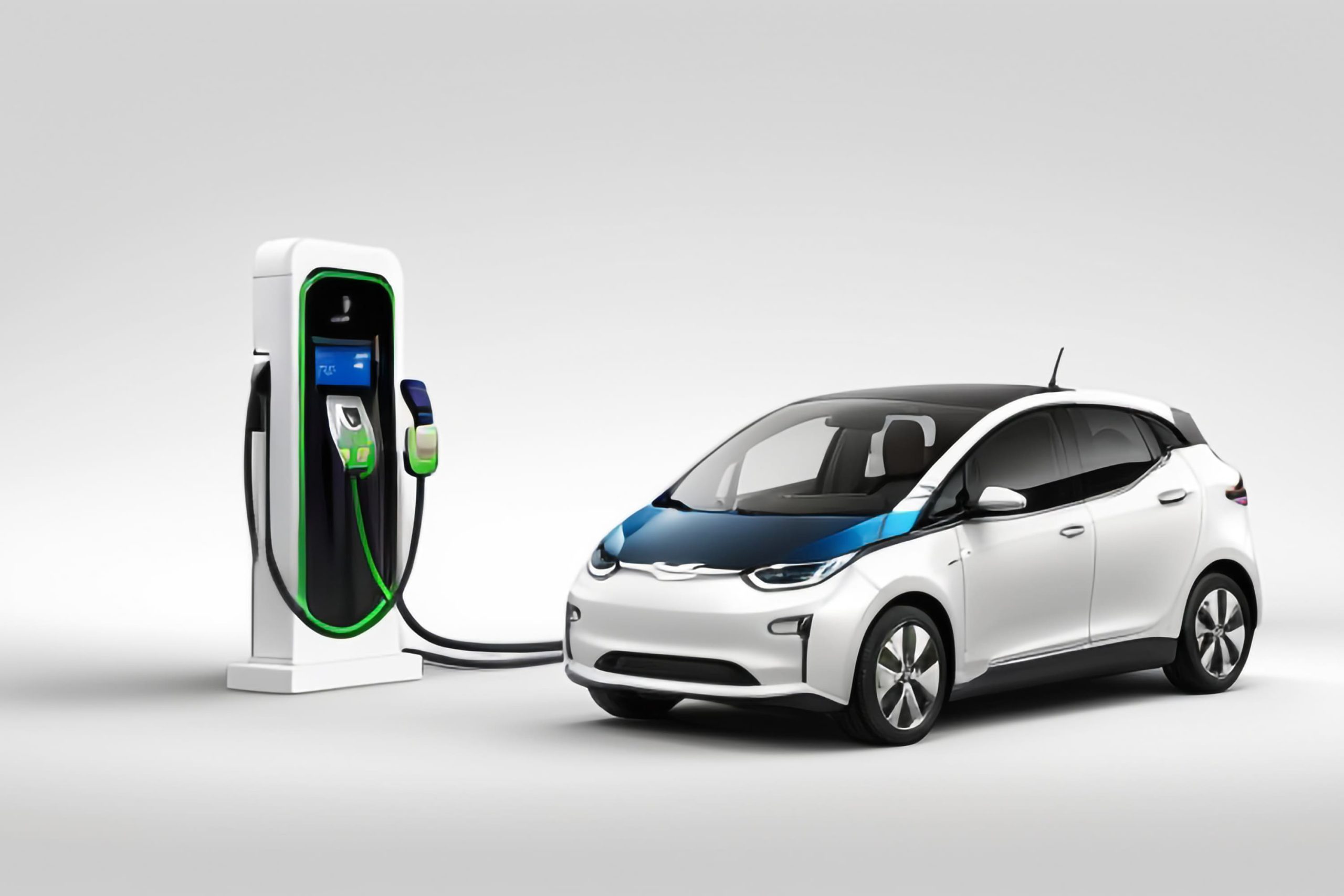
Singapore electric vehicle market has moved well beyond the early adoption stage and is now entering a more serious phase of transition. What once felt like a policy-led experiment is starting to look like a genuine reshaping of the country’s passenger mobility landscape. By 2025, electric vehicles made up a sizable share of new car registrations in Singapore, supported by tax incentives, tighter emissions rules, and a visible increase in public charging points. In a city where most trips are short and urban density is high, EVs make practical sense. That said, adoption in Singapore is not just about environmental ambition. It is also about whether the country can make charging convenient, ownership costs manageable, and consumer confidence durable over the long run.
What’s Driving the Electric Vehicle Market in Singapore?
Strong Consumer Adoption and Urban Suitability
Singapore has one major advantage that many larger countries do not: it is built for range-efficient driving. Most daily commutes are relatively short, and drivers rarely need the kind of long-distance flexibility that often slows EV adoption elsewhere. In practice, this removes one of the biggest mental barriers for first-time buyers. For many households, especially those using cars mainly for city travel, an EV now feels less like a compromise and more like a sensible upgrade. There is also a visible shift in buyer psychology. A few years ago, electric cars were often seen as niche or premium purchases. That perception is changing. Wider model availability, stronger brand competition, and better familiarity with charging have made the category more mainstream.
Rapid Expansion of Charging Infrastructure
Charging infrastructure has become one of the clearest proof points that Singapore is serious about electric mobility. Public chargers are now appearing not just in malls and office parks, but in HDB carparks and neighborhood clusters where everyday drivers actually need them. That matters more than flashy fast chargers in premium districts. Still, charging convenience is not evenly distributed. On the ground, drivers in private condominiums or older residential developments can face delays around charger installation, management approval, or limited parking access. So while infrastructure rollout has improved confidence, the experience can still vary sharply depending on where someone lives.
Shift Toward Cleaner-Energy Transport
Singapore’s transport policy has become increasingly firm in nudging the market away from internal combustion engines. The message from regulators is fairly clear: cleaner energy vehicles are no longer optional in the long term. That certainty has had a real effect on the market. Dealers are adapting product portfolios, fleet operators are reviewing procurement plans, and consumers are becoming more comfortable with the idea that petrol cars may gradually lose relevance over the next decade.
Government-Led Initiatives
Policy has played a central role in shaping this market, and frankly, without it, EV adoption would probably be moving much slower. Incentives such as the EV Early Adoption Incentive and the Vehicular Emissions Scheme have helped soften the cost gap between electric and conventional vehicles. That matters in Singapore, where vehicle ownership is already expensive due to COE and registration costs. There is also a regulatory layer that often gets overlooked. Rules around charger installation, safety, and operator accountability are becoming more structured, which is important because early EV markets can quickly become messy without standards. Singapore has handled this better than many peers.
Market Competition
Competition in the Singapore EV space has become much more interesting over the last two years. It is no longer just about Tesla or a handful of premium European brands. Chinese automakers, especially BYD, have changed the tone of the market by offering vehicles that are feature-rich, competitively priced, and increasingly trusted by local buyers. That has put pressure on legacy brands to sharpen their EV strategy. For consumers, this is probably one of the healthiest developments in the market. More choice tends to force better pricing, stronger after-sales support, and less reliance on brand hype alone.
Charging and Cost-Related Challenges
For all the progress, the market still has a few stubborn friction points. Cost remains one of them. Even if EVs offer lower running expenses, the upfront ownership burden in Singapore is still high. For many buyers, the question is not whether an EV is cleaner or smarter. It is whether it is financially worth it after COE, insurance, and financing are factored in. Charging access is another issue. A common challenge is not the absence of chargers altogether, but the convenience of using them when needed. Shared chargers, waiting time, and residential parking limitations can still frustrate users.
Future Outlook
Singapore electric vehicle market looks set to deepen steadily through 2035, though the pace will likely depend less on consumer awareness and more on execution. The next phase is not about convincing people that EVs are the future. That argument has mostly been won. The real test is whether charging, resale value, servicing, and ownership economics can keep improving at the same pace as policy ambition. If those pieces fall into place, Singapore could become one of the most efficient urban EV markets in Asia. Not necessarily the biggest, but certainly one of the most mature.
Consultants at Nexdigm, in their latest publication “Singapore Electric Vehicle Market Outlook to 2035”, analyzed the market by Vehicle Type (Passenger Cars, Light Commercial Vehicles, Buses, Heavy Vehicles), By Propulsion (Battery Electric Vehicles, Plug-in Hybrid Electric Vehicles, Hybrid Vehicles), By Charging Type (AC Charging, DC Fast Charging), and By End User (Private Buyers, Fleets, Ride-Hailing, Commercial Operators). Nexdigm believes that businesses should focus on charging partnerships, practical affordability, and fleet electrification opportunities as Singapore’s EV transition becomes more commercially meaningful.
To take the next step, simply visit our Request a Consultation page and share your requirements with us.
Harsh Mittal
+91-8422857704