
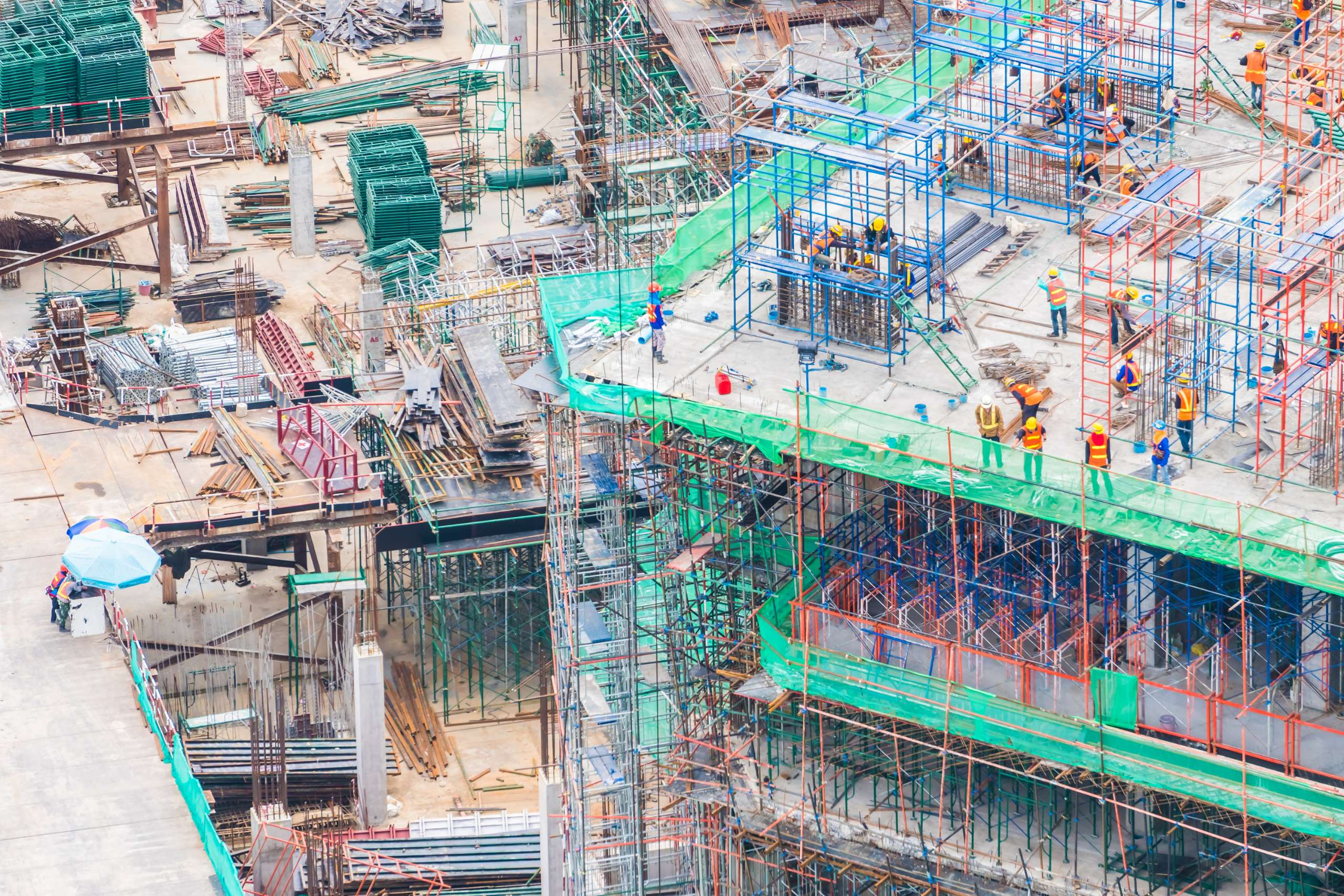
Singapore’s green cement market is experiencing steady growth as the nation advances its sustainable construction agenda and low-carbon development strategy. The construction sector remains a critical pillar of the economy, with annual construction demand consistently exceeding SGD 30 billion, supported by public housing, transportation networks, industrial facilities, and commercial developments. Singapore has established itself as a regional leader in sustainable construction, with more than 80% of buildings already certified under green building standards. As the country progresses toward its net-zero ambitions and increases investments in climate-resilient infrastructure, demand for green cement is rising among developers and contractors seeking to reduce embodied carbon emissions while maintaining high construction quality and durability standards.
Key Market Drivers for Singapore’s Green Cement Industry
Green Building Leadership Accelerates Demand for Low-Carbon Construction Materials
Singapore’s strong commitment to sustainable development is creating favorable conditions for green cement adoption. More than 80% of the nation’s buildings are certified under green building frameworks, making Singapore one of the most advanced green construction markets globally. Developers are increasingly prioritizing low-carbon materials to meet sustainability requirements, improve environmental performance, and align with corporate ESG objectives. This growing emphasis on carbon-efficient building practices is increasing demand for green cement across residential, commercial, and mixed-use developments.
Public Infrastructure and Urban Redevelopment Projects Support Market Expansion
Ongoing investments in transportation infrastructure, urban renewal projects, public housing, and industrial developments continue to generate significant demand for construction materials. Singapore’s annual construction demand regularly exceeds SGD 30 billion, supported by large-scale government-led projects and private sector developments. As sustainability requirements become more prominent in procurement and project planning, developers are increasingly adopting green cement solutions to lower lifecycle emissions while supporting long-term infrastructure resilience.
Carbon Reduction Targets Encourage Sustainable Material Innovation
Singapore’s climate policies are accelerating the transition toward low-emission construction materials. The government has introduced measures aimed at reducing carbon intensity across multiple sectors, including the built environment. As businesses strengthen ESG commitments and sustainability reporting requirements become more prominent, demand is increasing for green cement products that help lower embodied carbon emissions. Manufacturers that offer innovative and resource-efficient solutions are expected to benefit from the growing focus on sustainable urban development.
Government Support and Sustainability Initiatives Backed by Green Building Targets and Low-Carbon Development Goals
Singapore continues to promote sustainable construction through its Green Plan 2030 and broader decarbonization initiatives. More than 80% of buildings are already certified green, while authorities continue to encourage higher sustainability standards for new developments and existing building upgrades. Significant investments in public transportation, smart city infrastructure, energy-efficient buildings, and climate-resilient urban projects are supporting the adoption of environmentally responsible construction materials. These initiatives are creating a favorable environment for increased utilization of green cement across the construction sector.
Competitive Landscape Driven by Sustainable Construction Demand and Advanced Green Building Standards
Singapore’s green cement market is characterized by growing demand for low-carbon construction materials across residential, commercial, industrial, and infrastructure projects. Market participants are focusing on alternative cement formulations, recycled materials utilization, carbon-reduction technologies, and energy-efficient production processes to strengthen their sustainability credentials. Competition is primarily based on environmental performance, product quality, technical expertise, regulatory compliance, and project support capabilities. As green procurement practices become increasingly common, suppliers offering innovative and certified green cement solutions are expected to secure stronger market opportunities.
Major Challenges Facing Singapore’s Green Cement Industry
Higher Costs Associated with Low-Carbon Materials
Green cement technologies often require advanced manufacturing processes, alternative raw materials, and additional environmental certifications. These factors can increase production and procurement costs compared to traditional cement products, potentially slowing adoption among cost-sensitive projects.
Resource Constraints and Import Dependency
Singapore relies heavily on imported construction materials and industrial resources due to limited domestic raw material availability. Ensuring a stable and cost-effective supply of supplementary cementitious materials remains important as demand for sustainable construction products continues to increase across the market.
Future Outlook
Singapore’s green cement market is expected to expand steadily as annual construction demand remains above SGD 30 billion and sustainable building adoption continues to advance across the country. With over 80% of buildings already certified green, future growth is likely to be driven by retrofitting older buildings, developing low-carbon infrastructure, and implementing stricter sustainability requirements for new projects. Increasing investments in smart city developments, transportation infrastructure, and climate-resilient construction are expected to further strengthen demand. The market will also benefit from ongoing innovation in low-carbon cement technologies, recycled material utilization, and circular economy practices supporting Singapore’s long-term decarbonization objectives.
Consultants at Nexdigm, in their latest publication “ Singapore Green Cement Market Outlook to 2035,” analyse the sector By Cementitious Composition (GGBS Blended Ordinary Portland Cement, High-Replacement Binary Binder Systems and Ternary Blended Binder Formulations), By Supply Chain Integration (Ready-Mix Concrete Plants and Direct Bulk Import) and Production Technology (Carbon Capture and Storage, Waste-Derived Fuel Substitution and Mechanical Activation Processing).
Nexdigm suggests that businesses in Singapore’s Green Cement Industry focus on developing low-carbon cement formulations, strengthening partnerships with green building stakeholders, and leveraging circular economy practices to capitalize on the growing demand for sustainable construction materials and environmentally responsible urban development projects.
To take the next step, simply visit our Request a Consultation page and share your requirements with us.
Harsh Mittal
+91-8422857704