
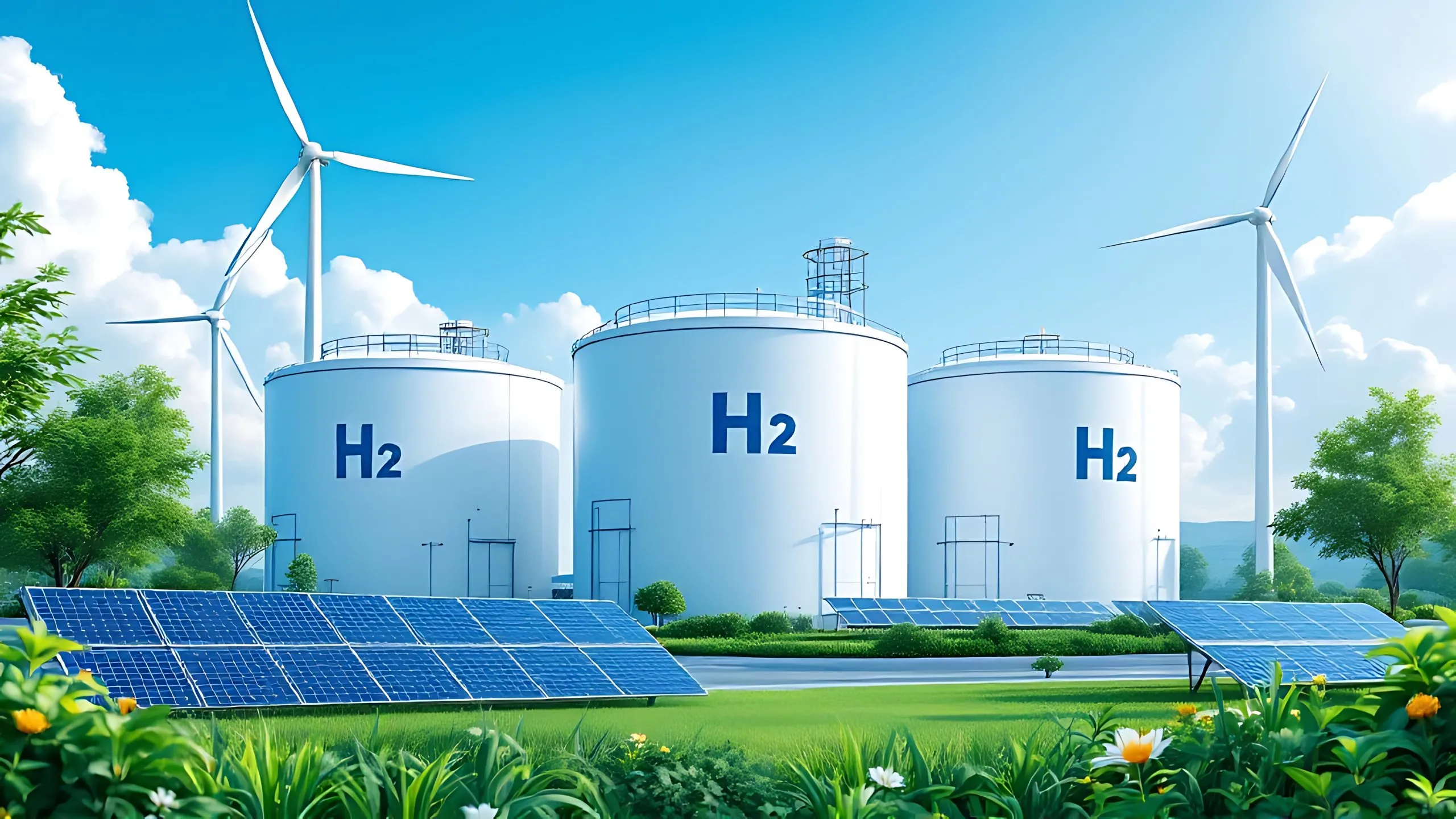
Singapore’s green hydrogen market is emerging as a strategic component of its long‑term energy transition and decarbonization agenda. With a strong industrial base and limited domestic renewable energy resources, Singapore views green hydrogen as a critical energy vector for reducing carbon emissions in hard‑to‑abate sectors such as chemicals, power generation, maritime and aviation. The city‑state’s National Hydrogen Strategy, launched in 2022, positions low‑carbon hydrogen — particularly green hydrogen — as a cornerstone of its net‑zero ambition by 2050.
Key Factors Driving the Growth of the Green Hydrogen Market in Singapore
Decarbonization and Energy Security
One of the principal drivers for green hydrogen adoption in Singapore is the need to reduce reliance on imported fossil fuels and cut emissions across the energy system. Currently, Singapore’s power generation is heavily natural gas‑dependent, with renewable sources accounting for a small fraction of total capacity. Green hydrogen presents a pathway to decarbonize industrial and power sectors by substituting fossil‑based feedstocks and fuels, aligning with the city‑state’s broader sustainability targets.
Industrial and Transport Sector Demand
Singapore’s substantial refining and petrochemical complex, one of the largest globally, is a major hydrogen consumer for processes like desulphurization and hydrocracking. As industries seek cleaner hydrogen sources, demand for green hydrogen is rising. Additionally, the growing interest in hydrogen fuel cells for mobility and energy storage supports market expansion. According to market estimates, the combined green hydrogen and fuel cell market in Singapore is valued at around USD 1.5 billion, driven by renewable energy investments and sectoral demand.
Strategic Hub and Trade Position
Singapore’s strategic geographic location and established energy infrastructure position it as a potential regional hub for hydrogen trade. Partnerships with regional producers, particularly in Australia and Southeast Asia, aim to facilitate green hydrogen imports, supporting both domestic consumption and future export markets.
Government Policies and Initiatives Boosting Green Hydrogen Development in Singapore
Singapore’s National Hydrogen Strategy, formalized in October 2022, outlines plan to explore low‑carbon hydrogen production, imports, technology trials and regulatory frameworks. The strategy envisages hydrogen fulfilling up to 50% of the nation’s electricity needs by 2050 as part of net‑zero commitments. Research and development are supported through programmers such as the Low Carbon Energy Research (LCER) initiative, with dedicated funding to advance hydrogen technologies.
Overview of Key Players and Competitors in Singapore Green Hydrogen Market
The market features a mix of regional and international players participating in hydrogen technology, production, and fuel cell solutions. Key global firms involved in Singapore’s evolving ecosystem include developers of electrolyze systems and fuel cells, contributing innovation and infrastructure development that support the city‑state’s strategic objectives in green hydrogen deployment.
Key Challenges Hindering the Growth of the Green Hydrogen Market in Singapore
High Capital Costs and Infrastructure Gaps
Green hydrogen production remains cost‑intensive due to the capital requirements for electrolyzing plants and renewable generation. Large‑scale projects can involve upfront investments in hundreds of millions of dollars, challenging investor risk appetites. Infrastructural limitations such as the absence of extensive distribution of pipelines and limited refueling stations also constrain widespread utilization.
Technology and Scalability
The scalability of green hydrogen production at competitive costs is another impediment. The technology to produce, store and transport green hydrogen efficiently is still maturing, and Singapore’s limited renewable capacity necessitates reliance on imports to meet projected demand, adding logistical complexity.
Future Outlook
By 2035, Singapore’s green hydrogen sector is projected to expand significantly, supported by policy frameworks, international partnerships and technological advancements. Continued investment in renewable energy infrastructure, such as solar and wind, will underpin electrolyze deployment and cost reductions. Integration of hydrogen into industrial and transport applications is expected to accelerate, increasing market penetration. Collaborative investments and Singapore’s role as a potential hydrogen trading hub in Asia are likely to enhance supply chains and market maturity, positioning the nation to contribute meaningfully to regional decarbonization efforts.
Consultants at Nexdigm, in their latest publication “Singapore Green Hydrogen Market Outlook to 2035,” analyze the sector by System Type (Electrolysis Systems, Storage Systems, Fuel Cells, Transport Solutions), By Platform Type (Onshore Platforms, Offshore Platforms, Hybrid Platforms), and By Fitment Type (Standalone Solutions, Integrated Solutions, Modular Systems). Nexdigm suggests that businesses should understand the evolving dynamics of the green hydrogen market, including government initiatives, technological advancements, and industry-specific demands, to identify growth opportunities and strategically align their operations for long-term sustainability and competitiveness.
To take the next step, simply visit our Request a Consultation page and share your requirements with us.
Harsh Mittal
+91-8422857704