
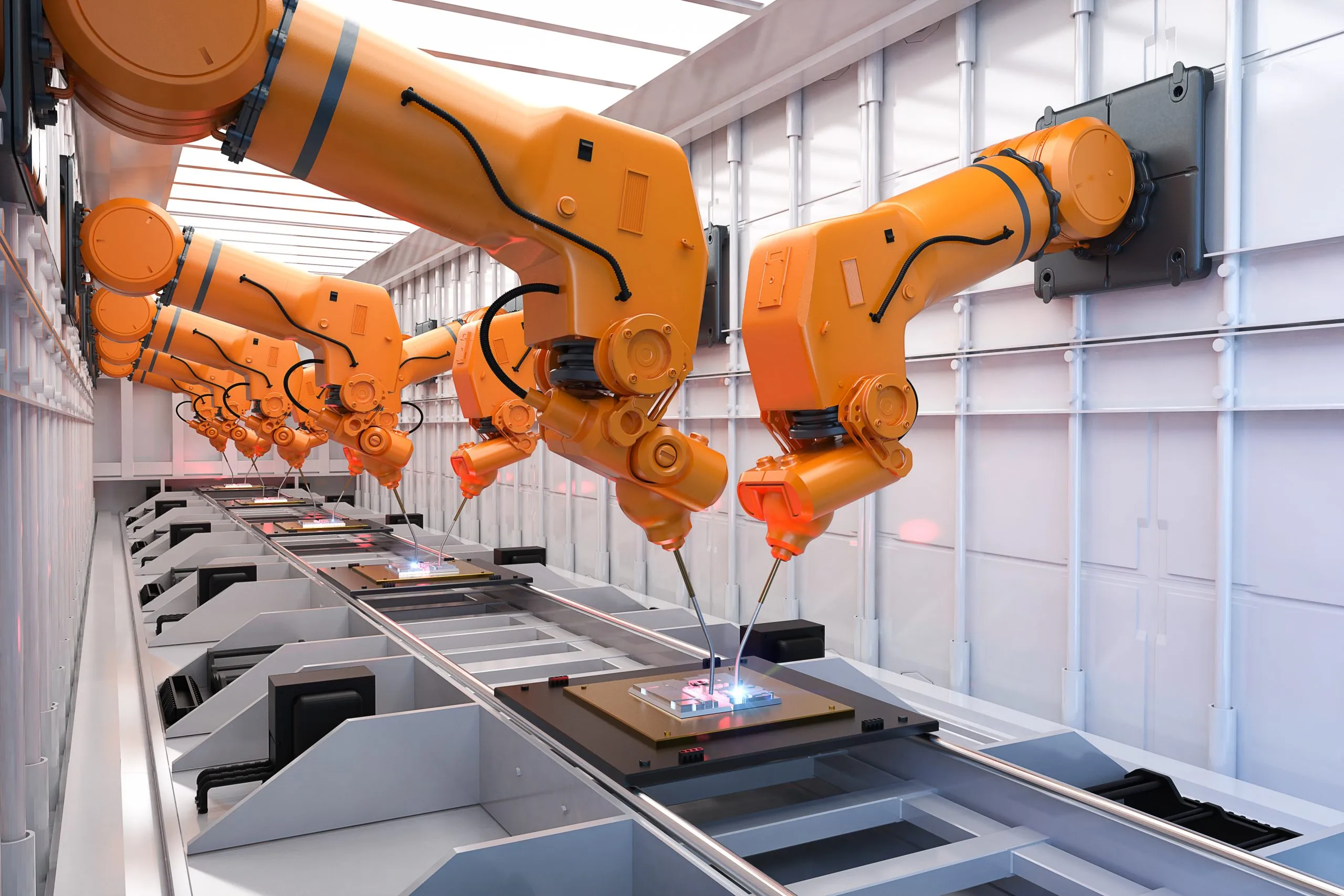
The Singapore industrial automation market is on a sustained growth trajectory as manufacturers and process industries integrate advanced technologies to enhance operational efficiency, reduce costs, and improve quality. Valued at around USD 159.5 billion in 2025 with a projected compound annual growth rate (CAGR) of about 10.5 % through 2035, the market is expected to nearly double by the end of the forecast period. This expansion reflects broader trends in digital transformation, robotics adoption, and Industry 4.0 integration across key sectors in Singapore.
Key Factors Driving Growth in the Singapore Industrial Automation Market
Technological Advancements
Rapid innovation in automation technologies is a core driver of market growth. Solutions such as robotics, programmable logic controllers (PLCs), supervisory control and data acquisition (SCADA) systems, and AI‑enabled process controls are increasingly deployed to support smart manufacturing initiatives. These technologies help reduce labour costs, enhance precision, and streamline production workflows. Manufacturers adopting analytics and IoT connectivity can optimize throughput and reduce downtime, reinforcing automation’s role in operational agility.
Demand from End‑Use Industries
Multiple sectors including electronics, chemicals, pharmaceuticals, and logistics are driving demand for automation solutions. Singapore’s strong manufacturing base, particularly in high‑value electronics and precision engineering, has led to increased investments in automation to maintain competitiveness amid global supply chain pressures. The push for mass automation is strengthened by rising global trade activities and the need for consistent product quality.
Government Initiatives and Support for Industrial Automation in Singapore
The Singapore government actively promotes automation through programmers and frameworks aimed at digital transformation and Industry 4.0 readiness. Initiatives such as grants, tax incentives, and training schemes support adoption of smart manufacturing and robotics technologies, enhancing industry competitiveness and innovation capacity.
Competitive Landscape and Key Players in the Singapore Industrial Automation Market
The industrial automation landscape in Singapore features a mix of multinational and regional players offering diverse automation solutions. Key companies operate across robotics, control systems, and software domains, emphasizing R&D investment, strategic partnerships, and tailored solutions to meet local industry needs. This competitive environment fosters continuous technological improvement and market responsiveness.
Key Challenges Facing the Growth of Industrial Automation in Singapore
Skill Gaps and Adoption Barriers
One significant challenge is the shortage of skilled personnel capable of integrating and maintaining advanced automation systems. As technologies evolve rapidly, companies often face difficulties in finding or training technical staff to manage complex automation infrastructures, which can slow down implementation.
High Implementation Costs
The capital intensity of industrial automation systems remains a constraint for small and medium‑sized enterprises (SMEs). Upfront investment in hardware, software, and integration services can be high, limiting adoption among smaller operators despite long‑term efficiency gains.
Future Outlook
Looking ahead to 2035, the Singapore industrial automation market is projected to maintain steady expansion driven by continued technological innovation and industry digitization. As global manufacturing shifts toward smart factories and data‑driven operations, Singapore’s strategic focus on automation aligns with broader regional trends in digital manufacturing. Emerging technologies such as artificial intelligence, collaborative robots (cobots), and advanced analytics are expected to deepen automation penetration across industries, supporting productivity, resilience, and sustainable growth well into the next decade.
Consultants at Nexdigm, in their latest publication “Singapore Industrial Automation Market Outlook to 2035,” analyze the sector by System Type (Industrial Robots, Distributed Control Systems, Programmable Logic Controllers, Human Machine Interface Systems), By Platform Type (Manufacturing Automation Platforms, Process Automation Platforms, Robotics Integration Platforms), and By Fitment Type (New Industrial Installations, Retrofit Automation Systems, Modular Automation Integration). Nexdigm suggests that businesses should focus on integrating emerging technologies, enhancing workforce skills, and leveraging government incentives to stay competitive in the evolving industrial automation market. By adopting advanced automation solutions and addressing the skill gap, companies can maximize efficiency and position themselves for long-term success in a rapidly digitizing environment.
To take the next step, simply visit our Request a Consultation page and share your requirements with us.
Harsh Mittal
+91-8422857704