
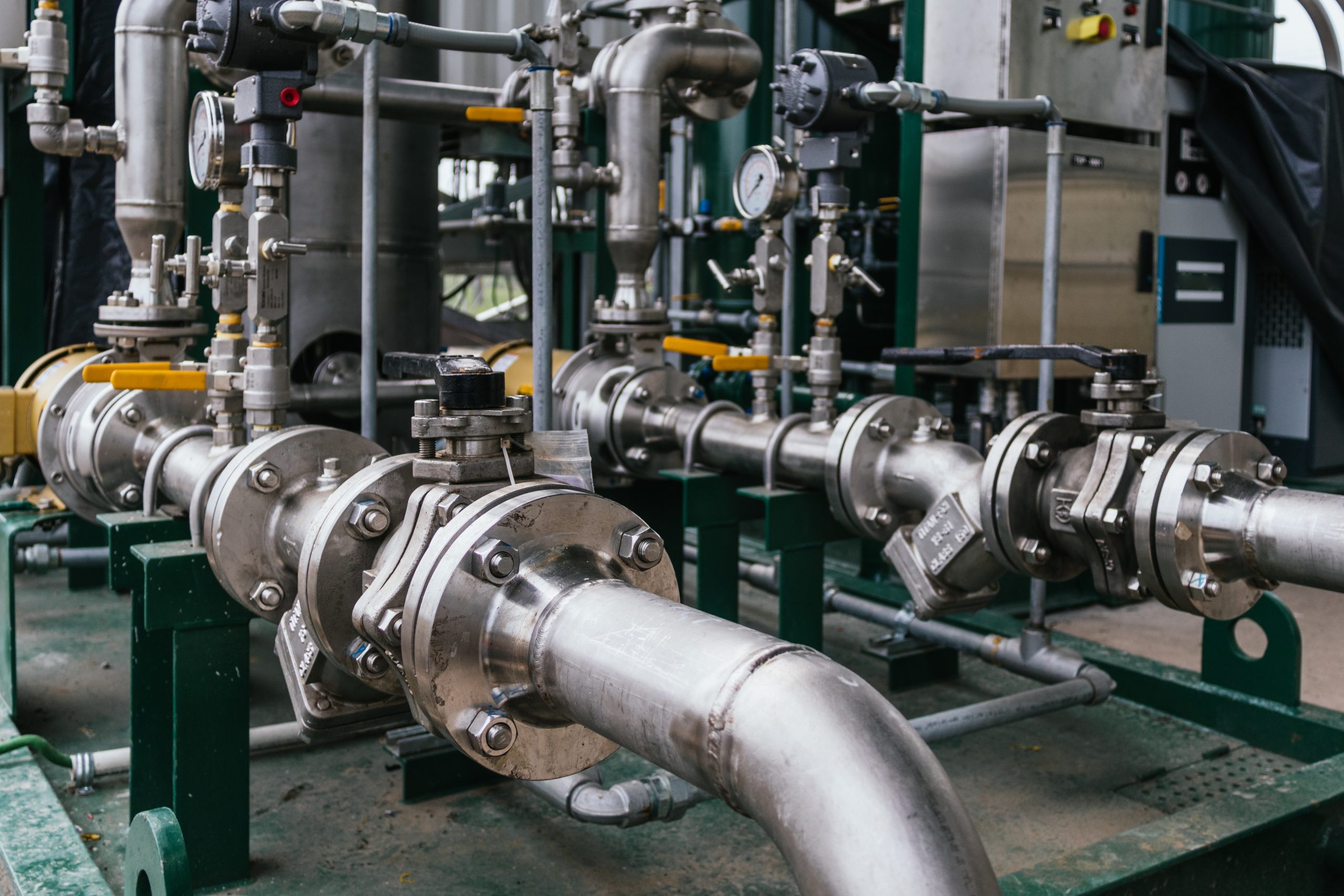
Singapore’s industrial and process gas compressors market is gaining importance as the country strengthens its position as a regional hub for petrochemicals, refining, pharmaceuticals, electronics, and advanced manufacturing. These compressors play a critical role in maintaining gas pressure, supporting process operations, and ensuring efficient transportation of industrial gases across production facilities. Growing investments in energy infrastructure, semiconductor manufacturing, and low-carbon technologies are creating new demand opportunities. By 2035, the market is expected to benefit from industrial modernization, increasing automation, energy-efficiency requirements, and the gradual adoption of hydrogen and other cleaner energy solutions.
Key Market Drivers Supporting the Growth of Industrial and Process Gas Compressors
Expansion of Petrochemical and Refining Infrastructure
Singapore’s petrochemical and refining industries remain important demand generators for industrial and process gas compressors. Jurong Island, which hosts an extensive concentration of energy and chemical companies, requires reliable compression systems for hydrogen, natural gas, process gases, and other industrial applications. As operators upgrade existing plants and improve production efficiency, demand for high-performance compressors is likely to increase. Equipment capable of handling high pressures, corrosive gases, and continuous operating conditions will remain particularly important. Modernization of existing facilities is also encouraging the replacement of older equipment with more efficient compressor technologies.
Rising Demand from Semiconductor and Pharmaceutical Manufacturing
Singapore’s advanced manufacturing ecosystem is creating additional opportunities for specialized gas compression equipment. Semiconductor fabrication facilities depend on reliable supplies of high-purity specialty gases, while pharmaceutical and biotechnology manufacturers require controlled gas handling for various production processes. As manufacturers invest in automation, production capacity, and stringent quality-control systems, the need for dependable gas compression and handling infrastructure is increasing. This is supporting demand for oil-free compressors, precision-engineered systems, and equipment designed to minimize contamination risks and operational disruptions.
Energy Transition and Growing Interest in Hydrogen
Singapore’s transition toward lower-carbon energy sources is opening another growth avenue. Hydrogen, carbon capture, and other emerging energy technologies require specialized compression solutions for storage, transportation, and industrial processing. The development of hydrogen-ready infrastructure and carbon management projects could create new equipment requirements over the coming decade. At the same time, manufacturers are increasingly prioritizing compressors with variable-speed drives, improved sealing technologies, and lower energy consumption. These developments are likely to influence purchasing decisions and accelerate demand for technologically advanced systems.
Government Initiatives Accelerating Industrial Compressor Investments
Singapore’s government is encouraging industrial modernization through its manufacturing development, energy-efficiency, and decarbonization initiatives. The Singapore Green Plan 2030 and national hydrogen strategy are supporting the transition toward cleaner industrial energy systems. Additionally, the carbon tax increased to S$45 per tonne of CO₂-equivalent for 2026–2027, with a targeted range of S$50–80 by 2030. These measures are encouraging industrial operators to invest in energy-efficient compressors, waste-heat recovery, and lower-emission process technologies. Government-backed industrial transformation and research initiatives are also expected to support technology adoption across the sector.
Competitive Landscape Is Shaped by Technology and Aftermarket Capabilities
Singapore’s industrial and process gas compressors market features established international equipment manufacturers, engineering companies, and specialized industrial service providers. Companies such as Atlas Copco, Ingersoll Rand, Baker Hughes, Siemens Energy, and Howden participate in the broader compressor industry and compete through product reliability, engineering expertise, and energy-efficient solutions. Competition is increasingly focused on customized compression systems, predictive maintenance, digital monitoring, and lifecycle service agreements. Local distributors and maintenance specialists also play an important role by providing installation, spare parts, equipment servicing, and technical support to industrial customers.
Market Challenges Affecting Compressor Adoption and Expansion
High Equipment and Maintenance Costs
Industrial and process gas compressors often involve significant initial investment, particularly for high-pressure, oil-free, and specialized gas applications. Installation, maintenance, spare parts, and compliance requirements can further increase the overall cost of ownership. Smaller industrial operators may therefore delay equipment upgrades despite the potential long-term energy savings.
Technical Complexity and Energy Consumption
Compressors are energy-intensive assets, making operating efficiency a major concern for manufacturers. Equipment handling hydrogen, corrosive gases, or high-purity industrial gases also requires specialized engineering and safety measures. Additionally, dependence on imported equipment and components can expose buyers to supply-chain disruptions, longer delivery times, and currency fluctuations.
Future Outlook
Singapore’s industrial and process gas compressors market is expected to evolve steadily through 2035, supported by investments in advanced manufacturing, petrochemicals, pharmaceuticals, and cleaner energy infrastructure. The country’s manufacturing sector recorded S$479.1 billion in total output in 2025, representing 11.5% annual growth, highlighting the scale of its industrial ecosystem. Energy-efficient compressors, hydrogen-compatible equipment, oil-free systems, and digitally monitored solutions are likely to attract increasing attention. As industrial operators prioritize productivity and carbon reduction, demand will increasingly shift toward reliable, technologically advanced compression systems. Overall, equipment modernization, specialized gas applications, and aftermarket services are expected to remain important market opportunities over the coming decade.
Consultants at Nexdigm, in their latest publication “Singapore Industrial and Process Gas Compressors Market Outlook to 2035,” analyze the sector by Compressor Technology (Centrifugal Compressors, Reciprocating Compressors, Rotary Compressors, Axial Compressors), By Gas Application Type (Process Gas Compression, Instrument Air Supply, Gas Transport and Pipeline), and By Pressure Capability Tier (Low Pressure, Medium Pressure, High Pressure).
Nexdigm suggests that businesses should prioritize investments in energy-efficient compressor technologies, strengthen aftermarket service capabilities, and explore opportunities in hydrogen and other emerging industrial gas applications. Focusing on digital monitoring, operational reliability, and regulatory compliance will help businesses remain competitive in Singapore’s evolving industrial landscape.
To take the next step, simply visit our Request a Consultation page and share your requirements with us.
Harsh Mittal
+91-8422857704