
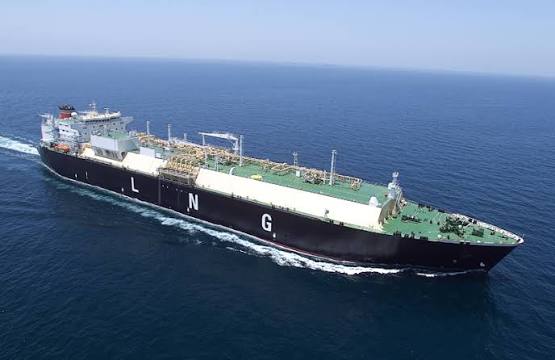
Singapore plays a pivotal role in the global liquefied natural gas (LNG) supply chain, serving as one of the world’s busiest maritime hubs and a leading LNG bunkering center. The country’s strategic location along major shipping routes has strengthened demand for LNG carriers that transport natural gas efficiently across international markets. As cleaner marine fuels gain traction and LNG trade volumes continue to expand across Asia-Pacific, Singapore’s LNG carriers market is experiencing steady growth. The industry benefits from advanced port infrastructure, world-class ship management services, and growing investments in energy logistics, making it a critical component of the nation’s maritime economy.
Market Drivers Advancing the Singapore LNG Carriers Industry
Rising LNG Demand Across Asia Strengthens Shipping Requirements
Asia remains the largest consumer of LNG, with countries such as China, Japan, South Korea, and India increasingly relying on imported natural gas for power generation and industrial applications. LNG accounts for a significant share of global natural gas trade, creating sustained demand for efficient carrier fleets. Singapore’s geographic position enables it to serve as a vital transit and logistics point for LNG shipments moving throughout the region. As import terminals expand across Asia and energy security becomes a priority, LNG carriers are expected to remain essential for ensuring stable fuel supplies. This growing trade flow directly supports vessel deployment, charter activities, and fleet modernization efforts linked to Singapore-based maritime operators.
Singapore’s Leadership in LNG Bunkering Expands Market Opportunities
Singapore is recognized as the world’s largest bunkering hub, supplying fuel to thousands of vessels annually. The adoption of LNG as a cleaner marine fuel has accelerated demand for specialized LNG bunker vessels and transportation carriers. The Maritime and Port Authority of Singapore has facilitated LNG bunkering operations through infrastructure development, licensing initiatives, and collaboration with industry stakeholders. With international shipping companies seeking lower-emission fuel alternatives, LNG is becoming an increasingly attractive option. This transition creates additional opportunities for LNG carrier operators, shipowners, and logistics providers operating within Singapore’s maritime ecosystem.
Fleet Modernization and Advanced Ship Technologies
Shipping companies are investing heavily in next-generation LNG carriers equipped with advanced containment systems, fuel-efficient propulsion technologies, and lower-emission engines. Modern vessels can reduce fuel consumption while improving cargo-handling efficiency, making them more attractive to charterers. Digital fleet management solutions, predictive maintenance systems, and vessel performance monitoring technologies are also helping operators optimize operational costs. These innovations enhance competitiveness and support the long-term development of Singapore’s LNG carrier sector.
Government Initiatives Supporting the Singapore LNG Carriers Industry
The Singapore government continues to strengthen its maritime leadership through policies encouraging sustainable shipping and cleaner fuel adoption. The Maritime and Port Authority actively promotes LNG bunkering infrastructure, innovation programs, and decarbonization initiatives. Investments in smart port technologies, maritime digitalization, and green shipping corridors are creating a supportive environment for LNG carrier operators. These efforts reinforce Singapore’s position as a leading global center for LNG transportation and maritime services.
Competitive Landscape of the Singapore LNG Carriers Sector
The Singapore LNG carriers market features global shipping companies, vessel owners, charter operators, energy logistics firms, and specialized LNG transportation service providers. Major industry participants focus on fleet expansion, long-term charter agreements, technological upgrades, and strategic partnerships. Competition increasingly centers on operational efficiency, vessel reliability, environmental performance, and the ability to support growing LNG trade throughout Asia and beyond.
Challenges Facing Singapore LNG Carrier Industry
High Capital Investment Requirements
Building modern LNG carriers requires substantial financial investment due to sophisticated containment systems, specialized equipment, and stringent safety requirements. Rising shipbuilding costs can create barriers for smaller operators seeking fleet expansion.
Volatility in Global Energy and Freight Markets
Fluctuations in LNG prices, shipping rates, and geopolitical developments can affect vessel utilization and profitability. Market participants must continuously adapt to changing trade patterns while managing operational risks and regulatory requirements.
Future Outlook
The future of Singapore’s LNG carriers market remains promising as global energy systems increasingly balance sustainability with energy security. Growing LNG consumption across Asia, expanding LNG bunkering activities, and continued maritime decarbonization efforts are expected to strengthen demand for carrier services. Singapore’s advanced maritime infrastructure, strong regulatory framework, and strategic geographic position provide a solid foundation for long-term industry development. As shipping companies invest in cleaner and more efficient vessels, the country is likely to further enhance its role as a leading LNG transportation and logistics hub in the global maritime sector.
Consultants at Nexdigm, in their latest publication “Singapore LNG Carriers Market Outlook to 2035” analyze the sector By Vessel Capacity (Under 20,000 cbm and 20,000-40,000 cbm), By Containment System Technology (GTT NO96, GTT Mark III and GTT NO96 Super) and By Propulsion Technology (Steam Turbine Propulsion and Dual Fuel Diesel Electric).
Nexdigm suggests that businesses in Industry” focusses on oilfield, desalination, construction, and industrial applications, strengthen local warehousing, develop application-specific grades, improve technical support, and build resilient sourcing networks to serve expanding energy, water, and manufacturing demand.
To take the next step, simply visit our Request a Consultation page and share your requirements with us.
Harsh Mittal
+91-8422857704