
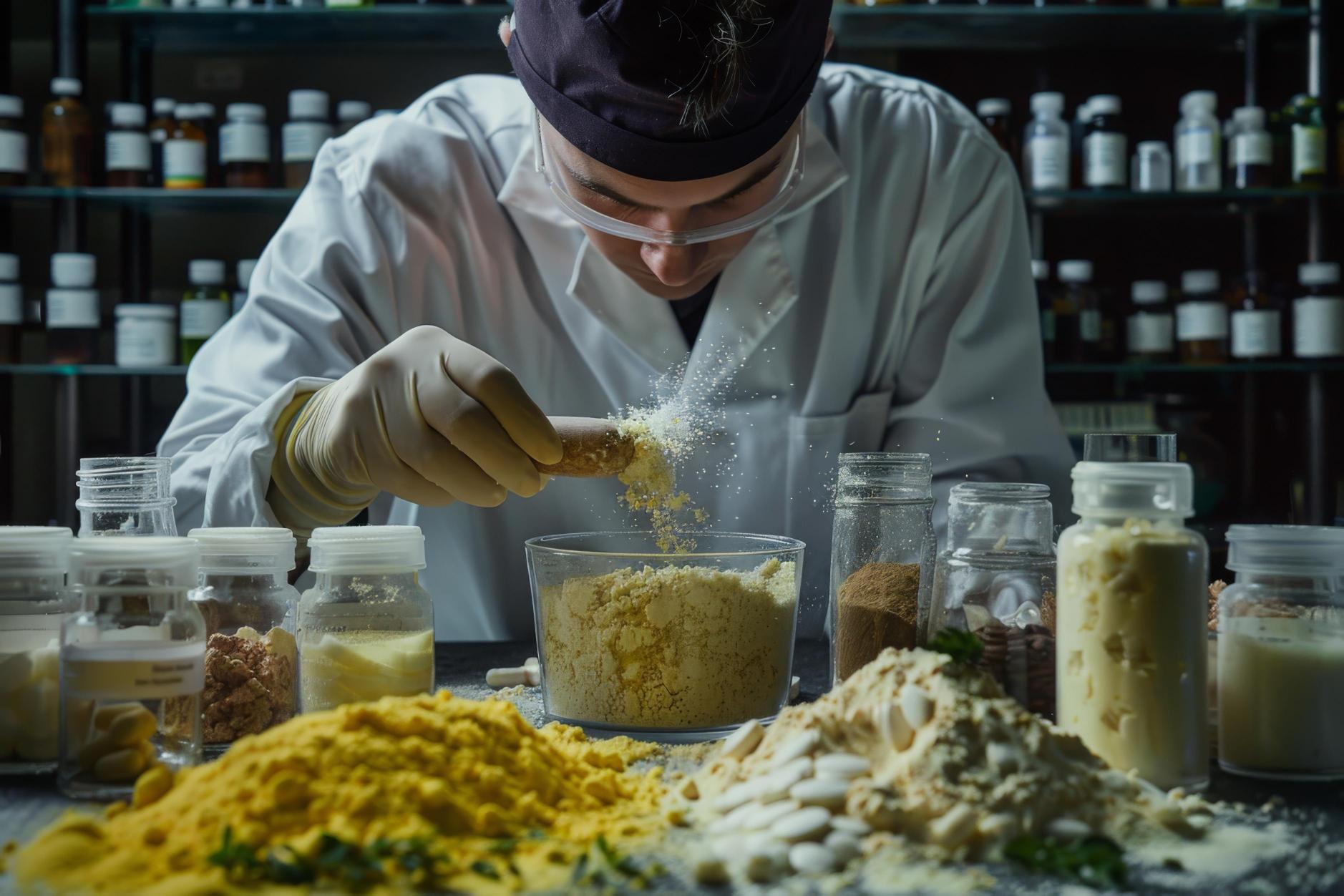
Singapore’s native starch market is supported by a sophisticated food-processing sector, strong import networks, and diversified applications across bakery, sauces, confectionery, beverages, pharmaceuticals, paper, packaging, and adhesives. Native starch is widely used as a thickener, binder, stabilizer, texturizer, and moisture-management ingredient. Singapore’s total manufacturing output reached about S$479.1 billion in 2025, increasing 11.5% year on year. This advanced manufacturing environment supports demand for functional ingredients that offer consistent performance, food safety, and reliable supply.
Market Drivers Shaping Singapore’s Native Starch Industry
Food Processing Supports Functional Ingredient Demand
Singapore has a developed food manufacturing ecosystem serving both domestic consumers and regional export markets. Native starch is used across bakery products, sauces, soups, confectionery, processed meats, dairy preparations, noodles, snacks, and convenience foods because it improves viscosity, binding, moisture retention, and texture. Growing interest in simpler formulations and recognizable ingredients can also support native starch use in selected clean-label applications. At the same time, Singapore’s high food-safety standards encourage suppliers to maintain consistent quality, traceability, and regulatory compliance.
Import Dependence Strengthens Supply Diversification
Singapore imports more than 90% of its food, making dependable sourcing and diversified supply chains particularly important. In 2025, the country sourced food from more than 180 countries and regions, compared with about 140 two decades earlier. For native starch suppliers, this creates opportunities to offer corn, tapioca, potato, and wheat starch from multiple origins. Local warehousing and reliable distribution can also help customers manage supply disruptions.
Industrial Applications Broaden Market Opportunities
Native starch also serves paper, packaging, adhesives, pharmaceuticals, and other industrial uses. Singapore’s Manufacturing 2030 strategy aims to raise manufacturing value added by 50% from 2020 levels by 2030, creating a supportive environment for higher-value industrial materials and functional ingredients.
Government Initiatives Supporting Singapore’s Native Starch Market
Singapore’s Food Story 2 strategy focuses on four pillars: diversifying imports, global partnerships, stockpiling, and growing local production. These measures are designed to strengthen food resilience and reduce vulnerability to supply disruptions. Alongside Manufacturing 2030, government support for advanced manufacturing, automation, R&D, and food innovation encourages processors to adopt more efficient production systems and higher-quality ingredients.
Competitive Landscape of Singapore’s Native Starch Industry
Singapore’s native starch industry includes multinational ingredient companies, regional starch suppliers, importers, food manufacturers, and industrial distributors. Competition focuses on starch purity, functional consistency, price, food-safety compliance, origin, delivery reliability, and technical support. Suppliers with diversified sourcing networks and local inventories can respond more effectively to customer requirements, while application expertise helps differentiate offerings across food, pharmaceutical, paper, packaging, and adhesive applications.
Challenges Affecting Singapore’s Native Starch Market
High Dependence on Imports
Singapore’s limited agricultural land means most starch feedstocks and finished products must be imported. This exposes buyers to freight costs, commodity price movements, geopolitical disruptions, and crop conditions in supplier countries.
Competition from Modified Starches
Native starch can have limited stability under high heat, acidity, shear, or freeze-thaw processing. Food and industrial users may therefore prefer modified starches or alternative hydrocolloids for more demanding formulations.
Future Outlook
As Singapore strengthens food resilience and advanced manufacturing, native starch should remain relevant across both food and industrial applications. The country’s manufacturing output already exceeds S$479 billion, while food supply is sourced from more than 180 countries and regions, demonstrating the scale and diversity of its trade ecosystem. In the coming years, demand should increasingly favor consistent-quality, traceable, food-safe, and application-specific starches. Suppliers combining diversified sourcing, local inventory, technical expertise, and reliable regional distribution should remain well positioned.
Consultants at Nexdigm, in their latest publication “Singapore Native Starch Market Outlook to 2035,” analyze the sector By Product Material Type (Corn, Tapioca, Wheat, Potato and Rice Ntaive Starch), By Functionality Type (Thickening, Binding, Stabilizing, Gelling Starch), By Product Form (Powdered, Granulated and Food Grade Native Starch)
Nexdigm suggests that businesses in the Singapore Native Starch Industry must focus on premium clean-label formulations, build strategic partnerships with food manufacturers, improve supply-chain resilience, develop application-specific starch solutions, and leverage Singapore as a regional distribution hub for Southeast Asian markets.
To take the next step, simply visit our Request a Consultation page and share your requirements with us.
Harsh Mittal
+91-8422857704