
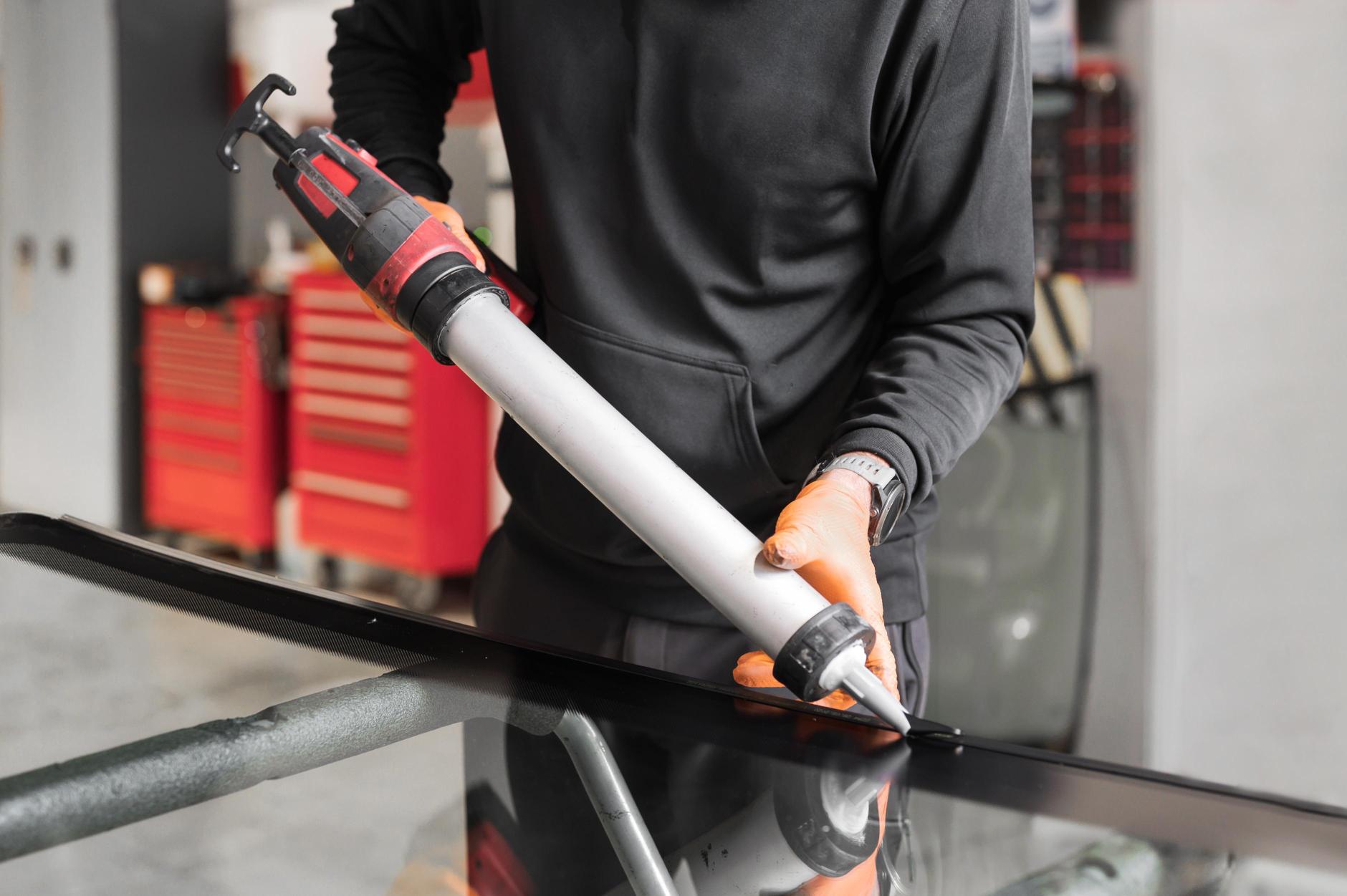
Singapore’s polyurethane sealants market is supported by sustained construction activity, infrastructure upgrades, building maintenance, and demand for high-performance materials in a dense urban environment. Polyurethane sealants are widely used in façades, concrete joints, glazing, roofing, flooring, transport infrastructure, and industrial facilities because they offer flexibility, adhesion, and weather resistance. Singapore’s construction demand is projected at S$47–53 billion in 2026, broadly similar to 2025 levels. This active project pipeline is creating steady opportunities for sealant suppliers across both new developments and refurbishment work.
Market Drivers Supporting Singapore’s Polyurethane Sealants Industry
Major Construction Projects Sustain Sealant Demand
Singapore’s construction sector remains a major demand driver. Preliminary construction demand reached S$50.5 billion in 2025, while total construction output is projected at S$43–46 billion in 2026. Large developments such as Changi Airport Terminal 5, the Marina Bay Sands expansion, Tengah General and Community Hospital, and rail extensions require substantial volumes of high-performance sealants. Polyurethane products are used in movement joints, façades, concrete interfaces, roofing assemblies, and structural connections where flexibility and long-term weather resistance are important.
Housing and Urban Redevelopment Create New Applications
Residential development and urban renewal provide another source of demand. Under Singapore’s first-half 2026 Government Land Sales programme, the Confirmed List included sites capable of delivering 4,575 residential units, around 50% above the average supply per programme over the previous decade. New residential projects create demand for sealants in windows, bathrooms, balconies, façades, flooring, and expansion joints. At the same time, Singapore’s established building stock creates recurring opportunities for repair and refurbishment.
Infrastructure Modernization Supports Specialized Products
Singapore continues to expand rail, airport, healthcare, port, and institutional infrastructure. These applications require products capable of handling vibration, moisture, thermal movement, and demanding outdoor conditions. Polyurethane sealants are therefore well suited to transport structures, concrete joints, industrial flooring, and external building-envelope applications.
Government Initiatives Supporting Singapore’s Polyurethane Sealants Market
Singapore’s government continues to support construction productivity, redevelopment, and Built Environment transformation. The Building and Construction Authority projects annual construction demand of S$39–46 billion from 2027 to 2030, supported by public housing, Changi Terminal 5, healthcare, education, and transport projects. The government is also expanding productivity support for Built Environment firms, encouraging advanced equipment, digital solutions, and more efficient project delivery.
Competitive Insights of Singapore’s Polyurethane Sealants Industry
Singapore’s polyurethane sealants industry includes international construction-chemical companies, regional suppliers, specialized distributors, and application contractors. Competition centers on durability, joint-movement capability, weather resistance, curing speed, low-emission formulations, certifications, and technical support. Suppliers that can provide complete solutions for façades, concrete, glazing, flooring, transport infrastructure, and refurbishment projects are better positioned. Contractor training, specification support, and relationships with architects and developers are also important competitive factors.
Challenges Affecting Singapore’s Polyurethane Sealants Market
High Performance Requirements Increase Product Costs
Singapore’s demanding construction standards and tropical climate require sealants with reliable adhesion, UV resistance, flexibility, and moisture tolerance. Higher-specification formulations can increase material costs, especially for large infrastructure projects.
Labor and Application Quality Remain Important
Sealant performance depends heavily on correct joint design, surface preparation, primer selection, and workmanship. Labor constraints and inconsistent application can reduce product performance, making contractor training and technical supervision essential.
Future Outlook
In the years ahead, Singapore’s polyurethane sealants market should remain supported by a strong mix of new construction, infrastructure development, urban redevelopment, and maintenance activity. Construction demand is expected to stay between S$39 billion and S$46 billion annually from 2027 to 2030, providing a sizeable project base. Demand is also likely to shift toward products offering lower emissions, longer service life, faster application, and improved weather resistance. Suppliers that combine technical reliability with specification support and strong contractor networks should be well positioned as Singapore continues upgrading its built environment.
Consultants at Nexdigm, in their latest publication “Singapore Polyurethane Sealants Market Outlook to 2035,” analyze the sector Sealant Formulation (One Component, Two Component, Water Based U Sealants), By Application (Commercial Building Construction, Industrial Manufacturing and Residential Construction), By Regional Market Presence (Northern, South, Central Vietnam).
Nexdigm suggests that businesses in Singapore’s Polyurethane Sealants Industry should target construction and industrial applications, invest in durable low-emission formulations, improve technical support, and develop cost-efficient products for flooring, roofing, infrastructure, and manufacturing projects.
To take the next step, simply visit our Request a Consultation page and share your requirements with us.
Harsh Mittal
+91-8422857704