
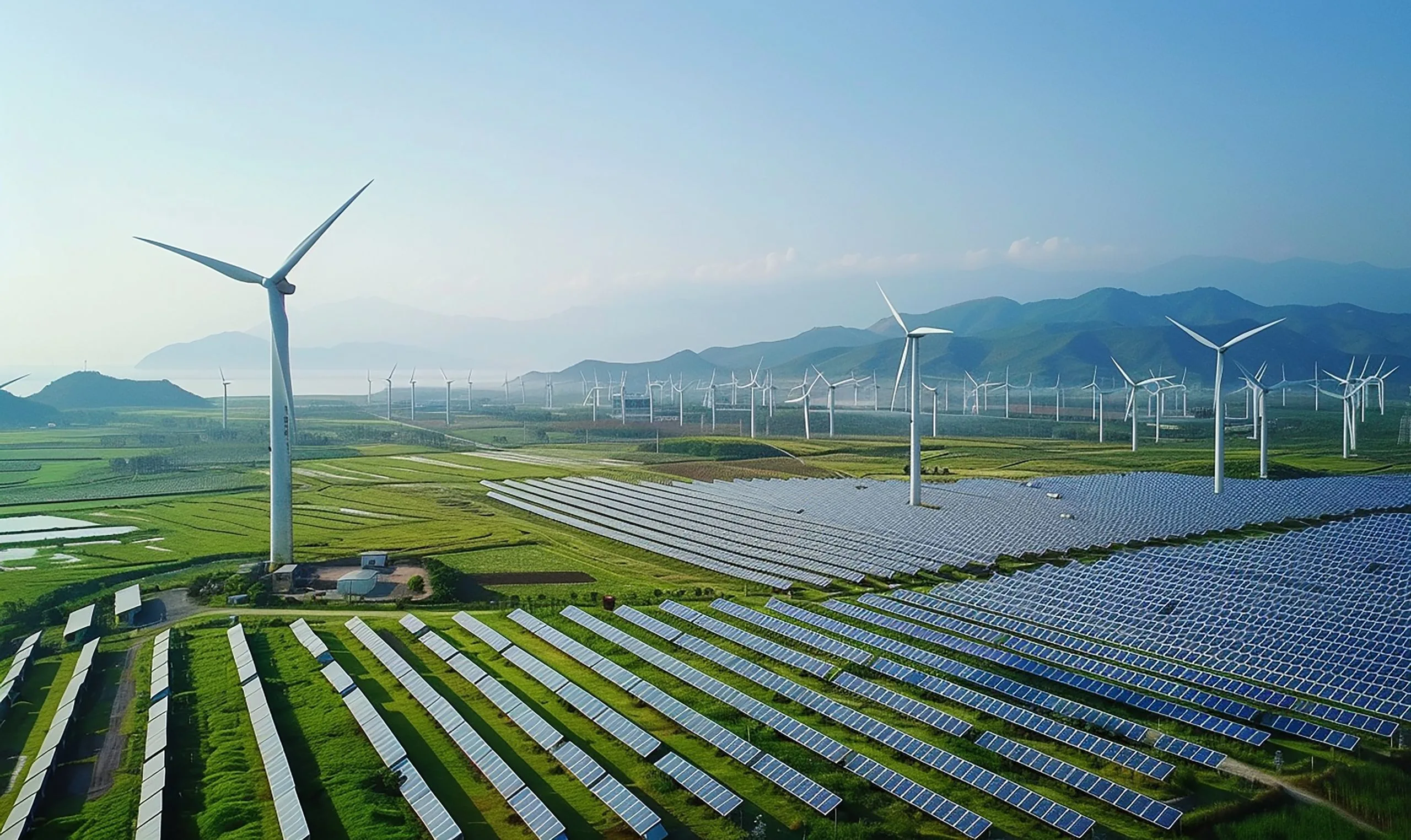
Singapore’s renewable energy market is evolving as the city-state seeks to reduce its carbon footprint and enhance energy security. Despite space limitations for large-scale renewable projects, solar energy remains the core of the country’s strategy, with ambitious targets for expansion. By 2035, the market is expected to grow significantly, supported by government initiatives, technological advancements, and regional energy imports. This growth is expected to create a more sustainable and diversified energy mix that aligns with Singapore’s broader environmental and economic goals.
Key Drivers Shaping Singapore Renewable Energy Growth
Solar Energy Expansion
Solar energy is a dominant driver in Singapore’s renewable landscape. The country benefits from high solar irradiance, making it well-suited for solar photovoltaics (PV). With an ambitious goal of installing 2 GWp of solar capacity by 2030, this will grow further, potentially reaching 5.33 GW by 2035, up from 0.6 GW in 2024. Solar energy remains the cornerstone of Singapore’s renewable plans, aided by floating solar farms and rooftop installations across buildings and industrial estates.
Energy Imports & Regional Connectivity
Singapore’s transition towards clean energy is further supported by the regional energy market. The government aims to import up to 6 GW of low-carbon electricity from neighboring countries by 2035, contributing significantly to the country’s energy mix. This strategy aligns with Singapore’s vision of reducing its reliance on fossil fuels, diversifying energy sources, and enhancing energy security by tapping into regional grids.
Energy Demand Growth
The increasing demand for electricity, particularly from data centers and the manufacturing sector, is accelerating the adoption of renewable energy. As Singapore electrifies sectors like transportation and industrial manufacturing, the push for clean, green energy becomes more pronounced, leading to greater investment in solar and energy storage solutions.
Government Policies and Initiatives Driving Renewable Energy Adoption
The Singapore government plays a pivotal role in the renewable energy market through the Singapore Green Plan 2030, aiming for S$14 billion in green investments. Initiatives like Solar Nova support solar installations, while the government has also committed to importing low-carbon electricity and implementing new regulatory frameworks for green energy certificates and energy storage solutions. These actions provide financial incentives and policy support to encourage both domestic and regional clean energy investments.
Overview of Key Players and Market Competition in Renewable Energy
Singapore’s renewable energy sector is highly competitive, featuring a blend of local and international players. Key industry players include energy giants like Keppel Corporation and Sembcorp Industries, alongside specialized solar companies and energy developers. Competition centers around innovation in solar technology, integration of energy storage, and securing corporate power purchase agreements (PPAs). Additionally, companies that can harness regional energy imports to scale their operations hold a distinct market advantage.
Challenges Facing the Growth of Renewable Energy in Singapore
Land Scarcity
With limited land available for large-scale solar installations, Singapore faces a unique challenge. To overcome this, the country is focusing on rooftop solar, floating solar farms, and integrating solar into its urban infrastructure. However, scaling up these solutions requires significant capital investment and technological innovation.
Grid Integration and Storage
A key challenge is managing the intermittency of renewable energy sources like solar. Integrating variable energy into the grid requires robust energy storage systems and smart grid solutions. High costs for energy storage technologies remain a barrier to faster adoption.
Future Outlook
By 2035, Singapore’s renewable energy market will largely rely on solar energy and low-carbon electricity imports. The solar capacity is expected to increase significantly, contributing to up to 40% of the total electricity generation. Furthermore, regional energy imports will play a crucial role in diversifying the energy mix and reducing the dependency on fossil fuels. While challenges like land scarcity and grid integration remain, ongoing government support and technological advancements will help position Singapore as a leader in sustainable energy within Southeast Asia, with a projected market value of over USD 450 million by 2035.
Consultants at Nexdigm, in their latest publication “Singapore Renewable Energy Market Outlook to 2035,” analyze the sector by System Type (Solar Power Systems, Wind Energy Systems, Hydropower Systems, Geothermal Systems), By Platform Type (Onshore Platforms, Offshore Platforms, Hybrid Platforms), and By Fitment Type (Ground-Mounted Solutions, Roof-Mounted Solutions, Floating Systems). Nexdigm suggests that businesses should stay informed about emerging market trends, adapt to technological advancements, and align their strategies with government policies and initiatives. This approach will help them navigate the evolving renewable energy landscape, enhance competitiveness, and capitalize on new growth opportunities. By investing in innovative solutions and focusing on sustainability, businesses can effectively contribute to the sector’s expansion while meeting regulatory requirements and consumer demand for cleaner, more efficient energy solutions.
To take the next step, simply visit our Request a Consultation page and share your requirements with us.
Harsh Mittal
+91-8422857704