
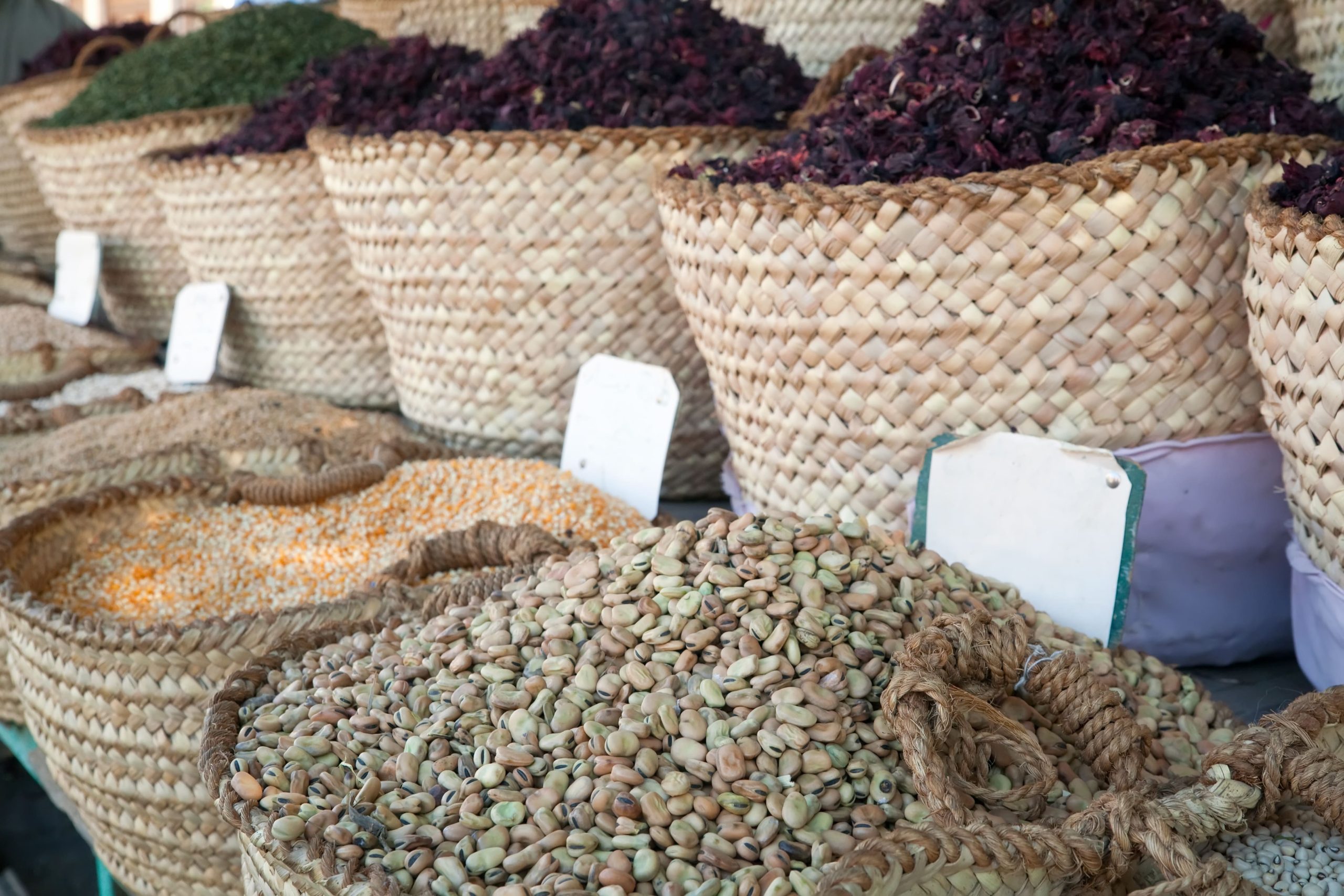
Singapore’s seed market is experiencing a strategic transformation as the country deepens its focus on food security, agri-biotechnology, and climate-resilient agriculture. With limited arable land and heavy reliance on food imports, Singapore has positioned seeds and planting material as a critical input for advancing domestic production under the “30 by 30” food security goal. As of 2026, most commercial seeds used in Singapore are imported, particularly high-value vegetable, leafy greens, and specialty crop seeds used in controlled-environment farms. However, rising investments in urban farming, vertical agriculture, and agri-genomics are gradually reshaping demand patterns. Singapore is not only strengthening domestic food resilience but also emerging as a regional hub for seed R&D, testing, and innovation in tropical crop varieties.
What’s Driving the Seed Market in Singapore?
Growth of Urban and Controlled-Environment Agriculture
The rapid expansion of vertical farms, rooftop gardens, and high-tech greenhouses is driving demand for premium seeds optimized for hydroponics, aeroponics, and indoor farming systems. Leafy greens, herbs, microgreens, and specialty vegetables dominate seed demand as these crops are best suited for Singapore’s space-constrained environment. Seed varieties with faster growth cycles, compact morphology, and higher yields per square meter are increasingly preferred by commercial urban farms.
Focus on Climate-Resilient and High-Yield Varieties
Climate variability, rising temperatures, and disease pressure in tropical environments are pushing growers to adopt climate-resilient seed varieties. There is growing demand for disease-resistant, heat-tolerant, and fast-maturing seeds, particularly for leafy greens and Asian vegetables. Seed developers are increasingly collaborating with local farms and research institutes to test tropicalized seed varieties under Singapore’s controlled conditions, accelerating product localization.
Rising Investment in Agri-Biotech and Seed R&D
Singapore’s positioning as a regional agri-biotech and life sciences hub is strengthening seed innovation activities. Research centers and startups are working on seed genetics, plant breeding, and precision agriculture solutions, including genome editing and trait enhancement for productivity and resilience. These innovations are gradually supporting the development of niche, high-value seed segments such as functional crops, nutrient-enriched greens, and specialty herbs tailored for premium urban farming markets.
Government-Led Initiatives Supporting Seed Innovation
The Singapore government continues to support agri-food innovation through grants, co-investment schemes, and research partnerships led by agencies such as the Singapore Food Agency (SFA) and Enterprise Singapore. Funding programs aimed at strengthening local food production, urban farming technologies, and sustainable agriculture are indirectly stimulating demand for advanced seeds. Public-private collaborations with universities and research institutes are also accelerating varietal testing and seed performance trials under tropical controlled-environment conditions, helping shorten commercialization timelines.
Market Competition and Supply Landscape
The Singapore seed market remains highly import-dependent, with global seed companies and regional distributors dominating supply. Multinational seed developers specializing in vegetable and specialty crop seeds account for a major share of the organized market. Local agri-biotech startups and research-backed spin-offs are gradually entering niche segments such as customized seed solutions for vertical farms and premium urban growers. The emergence of contract breeding and localized seed testing services is strengthening Singapore’s role as a regional seed innovation and validation hub, even though large-scale seed production remains limited domestically.
High Import Dependency and Cost Pressures
Despite policy support for food resilience, Singapore continues to rely heavily on imported seeds due to land constraints and limited domestic seed multiplication capacity. High-value hybrid seeds, specialty leafy green varieties, and protected genetics are predominantly sourced from global suppliers. Import reliance exposes growers to price volatility, supply chain disruptions, and longer lead times. In addition, premium seed costs increase production expenses for urban farms, affecting margins in a highly competitive local produce market.
Future Outlook
The Singapore seed market is expected to grow steadily through 2035, driven by the expansion of urban agriculture, adoption of climate-resilient varieties, and increased agri-biotech investments. By 2035, a larger share of seeds used in controlled-environment farms is expected to be locally tested, tropicalized, or co-developed with regional partners. Singapore is likely to strengthen its role as a Southeast Asian hub for seed R&D, trait validation, and commercial trials, even if bulk seed production remains offshore. The integration of AI-driven phenotyping, genomic selection, and precision breeding is expected to shorten development cycles and improve yield predictability for urban farms.
Consultants at Nexdigm, in their latest publication “Singapore Seed Market Outlook to 2035”, analyzed the market by Crop Type (Leafy Greens, Herbs, Fruiting Vegetables, Specialty Crops), By Farming System (Vertical Farms, Greenhouses, Open-Field Trials), and By Distribution Channel (Direct Supply to Commercial Farms, Agri-Input Distributors, Research Collaborations). Nexdigm believes that businesses should prioritize climate-resilient seed development, localized varietal trials for tropical indoor farming, and partnerships with urban farm operators to co-create high-performance seed solutions for Singapore’s controlled-environment agriculture ecosystem.
To take the next step, simply visit our Request a Consultation page and share your requirements with us.
Harsh Mittal
+91-8422857704