
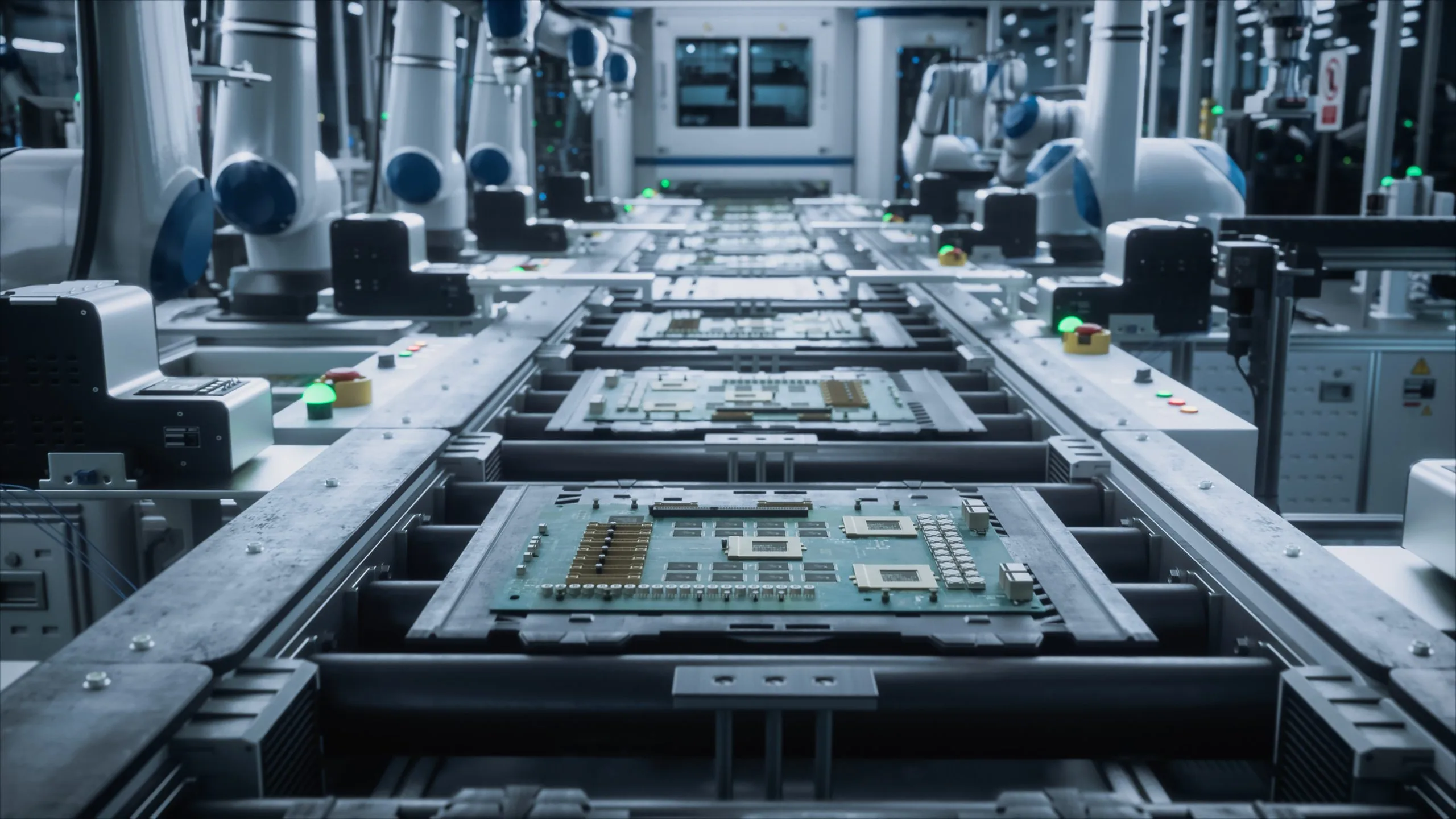
Singapore has long been a strategic node in the global semiconductor ecosystem, with a well‑established manufacturing, testing, assembly, and design base. The nation’s semiconductor sector contributes significantly to its high‑value export profile and advanced manufacturing capabilities, integrating global supply chain operations. With rising demand for artificial intelligence (AI) chips, data center components and memory devices, Singapore’s semiconductor industry is positioned for sustained growth through 2035 against a backdrop of technological shifts and regional realignment.
Key Drivers Fueling Growth in Singapore’s Semiconductor Manufacturing Market
Demand from AI, Data Centers, and Connectivity
Growth in cloud computing, AI workloads, and next‑generation connectivity technologies is driving semiconductor demand across logic, memory and high‑performance computing segments. Production increases for AI‑related chips contributed to double‑digit expansion in Singapore’s electronics output, with semiconductor production up over 30% in recent periods.
Strategic Role in Global Supply Chains
Singapore accounts for a significant share of global semiconductor manufacturing and equipment production. Its location in Southeast Asia and integration with regional value chains support both front‑end fabrication and back‑end packaging/testing activities, making it a preferred location for global firms.
Investment in Advanced Manufacturing
Major capital projects, such as Micron’s announced USD 24 billion wafer fabrication facility aimed at expanding memory production capacity through the late 2020s, reflect long‑term confidence in the Singapore ecosystem. Such investments will anchor high‑value fabrication and reinforce Singapore’s position in memory and advanced technologies.
Government Support and Strategic Initiatives Driving Semiconductor Growth in Singapore
Singapore’s government has directed significant policy support and investment incentives toward semiconductor manufacturing and innovation, attracting over S$30 billion in semiconductor investments in recent years. These initiatives encompass talent development, infrastructure readiness, and R&D facilitation to strengthen industry resilience and competitiveness.
Overview of Key Players and Competitive Dynamics in Singapore’s Semiconductor Market
The Singapore semiconductor ecosystem includes global leaders such as GlobalFoundries, Micron and Infineon, with capabilities spanning wafer fabrication, IC design, and advanced packaging. A robust supporting cluster of precision engineering and electronics service providers enhances competitiveness.
Challenges Impacting Growth and Operational Efficiency in Singapore’s Semiconductor Industry
Talent and Supply Chain Constraints
The industry faces persistent challenges in sourcing and retaining specialized talent, particularly in engineering and fabrication roles, despite government efforts to bolster the workforce pipeline. Supply chain vulnerabilities and geopolitical tensions also continue to present operational risks for manufacturers.
Land and Scale Limitations
Singapore’s limited land availability constrains ultra‑large fab installations relative to larger neighboring markets. This necessitates a focus on high‑value, automated, and specialized production rather than extensive low‑cost, high‑volume facilities.
Future Outlook
Through 2035, Singapore’s semiconductor manufacturing market is expected to grow in alignment with broader global trends toward digitization, AI and connectivity. The nation’s strategic positioning, combined with continued investment in advanced manufacturing and talent, will support growth in both established segments like memory and emerging areas such as next‑generation logic and high‑performance chips. Singapore’s role as a resilient, innovation‑driven semiconductor hub is likely to strengthen as global firms deepen their footprint, and local ecosystems evolve to meet future technology demands.
Consultants at Nexdigm, in their latest publication “Singapore Semiconductor Manufacturing Market Outlook to 2035,” analyze the sector by System Type (Integrated Circuit Fabrication Systems, Wafer Processing Equipment, Semiconductor Assembly and Packaging Systems, Advanced Lithography Systems), By Platform Type (300mm Wafer Fabrication Platforms,200mm Wafer Fabrication Platforms, Compound Semiconductor Platforms), and By Fitment Type (Fully Automated Semiconductor Production Lines, Modular Semiconductor Fabrication Systems, High Precision Cleanroom Installed Systems). Nexdigm suggests that businesses should focus on building a resilient supply chain, embracing advanced manufacturing technologies, and investing in talent development to stay competitive in the rapidly evolving semiconductor industry. This strategic approach will not only mitigate risks but also unlock opportunities for innovation and long-term growth.
To take the next step, simply visit our Request a Consultation page and share your requirements with us.
Harsh Mittal
+91-8422857704