
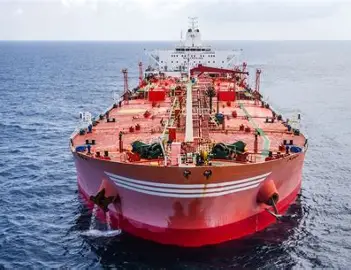
Singapore’s Shore Power Systems Market is gaining substantial momentum as the country strengthens its position as one of the world’s leading maritime and transshipment hubs while advancing decarbonization goals. Shore power systems, also known as onshore power supply (OPS) or cold ironing, allow vessels to connect to the local electricity grid while berthed, eliminating the need to operate onboard auxiliary engines. Singapore’s ports handle more than 39 million TEUs of container throughput annually, ranking among the busiest globally. Growing investments in the Tuas Mega Port, maritime sustainability initiatives, and smart port infrastructure are creating significant opportunities for shore power deployment across commercial shipping and cruise vessel operations.
Key Market Drivers for Singapore’s Shore Power Systems Market
Tuas Mega Port Development Accelerates Demand for Port Electrification
Singapore is developing the Tuas Mega Port, one of the largest fully automated ports globally, with a planned handling capacity of approximately 65 million TEUs annually upon full completion. The expansion of advanced port infrastructure is creating demand for integrated electrification solutions that improve operational efficiency while supporting sustainability targets. Shore power systems are becoming increasingly important as ports seek to reduce vessel emissions and improve environmental performance.
Maritime Decarbonization Commitments Support Adoption
As one of the world’s busiest shipping centers, Singapore is strengthening efforts to reduce emissions from maritime activities. The country has committed to achieving net-zero emissions by 2050 and continues to support green shipping initiatives through the Maritime and Port Authority (MPA). Shore power systems enable significant reductions in carbon dioxide, nitrogen oxides, sulfur oxides, and particulate emissions from vessels during port stays, supporting both environmental and public health objectives.
Growing Cruise and Container Traffic Create New Opportunities
Singapore serves as a major hub for both container shipping and cruise tourism in Asia-Pacific. The Marina Bay Cruise Centre Singapore and major cargo terminals accommodate increasing vessel traffic each year. As shipping lines and cruise operators adopt stricter ESG and sustainability targets, demand for shore-side electrical infrastructure capable of supporting low-emission port operations is expected to increase significantly.
Government Initiatives Supporting Singapore’s Shore Power Systems Market
The Singapore government actively promotes maritime sustainability through the Singapore Green Plan 2030, the Maritime Singapore Decarbonisation Blueprint, and various smart-port development initiatives. Substantial investments are being directed toward port digitalization, clean-energy infrastructure, and low-carbon maritime operations. The transition toward the fully operational Tuas Mega Port, combined with Singapore’s broader commitment to achieving net-zero emissions, is creating favorable conditions for shore power deployment and advanced port electrification technologies.
Competitive Landscape of Singapore’s Shore Power Systems Market
Singapore’s Shore Power Systems Market is characterized by growing investments in smart port technologies, energy-efficient maritime infrastructure, and digital logistics platforms. Competition is increasingly centered on high-voltage shore connection technologies, frequency conversion systems, smart energy management solutions, and compliance with international standards such as IEC/IEEE 80005. Market participants are focusing on scalable electrification platforms, automation technologies, and grid-integration capabilities to support one of the world’s most advanced maritime ecosystems.
Major Challenges Facing Singapore’s Shore Power Systems Market
High Infrastructure Development Costs
Deploying shore power systems requires substantial capital investment in substations, transformers, cable management systems, grid upgrades, and frequency conversion equipment. High upfront costs can impact implementation timelines across certain port facilities.
Grid Integration and Vessel Compatibility Requirements
Successful deployment requires seamless integration between port-side electrical infrastructure and vessel onboard systems. Ensuring compatibility across diverse vessel types and maintaining sufficient electrical capacity remain important challenges for large-scale adoption.
Future Outlook
Singapore’s Shore Power Systems Market is expected to witness strong growth through 2035, supported by annual container throughput exceeding 39 million TEUs, the development of the 65-million-TEU-capacity Tuas Mega Port, and increasing adoption of green shipping practices. Growing investments in maritime digitalization, smart logistics systems, and sustainable port infrastructure will continue to support demand for shore power solutions. Additionally, expanding cruise operations, stricter emissions regulations, and the country’s net-zero ambitions are expected to drive further electrification of port operations. Companies investing in advanced power conversion technologies, digital energy management systems, and smart shore connection infrastructure will be well-positioned to capitalize on Singapore’s evolving maritime sustainability landscape.
Consultants at Nexdigm, in their latest publication “Singapore Shore Power Systems Market to 2035,” analyse the sector By Connection Technology 6.6kV Ship-to-Shore, 11kV Ship-to-Shore and Automatic Cable Management), By Vessel Class (Containers Vessel and Bulk Carriers) and By Installation Environment (Terminal Berth Upgrades, Floating Offshore Platforms and Greenfield Port Development).
Nexdigm suggests that businesses in Singapore’s Shore Power Systems Industry prioritize high-voltage shore connection technologies, smart port energy-management platforms, IEC/IEEE 80005-compliant solutions, and advanced power-conversion systems to capitalize on the country’s 39 million+ TEU cargo throughput, Tuas Mega Port expansion, maritime decarbonization initiatives, and growing demand for sustainable and energy-efficient port operations across container and cruise terminals.
To take the next step, simply visit our Request a Consultation page and share your requirements with us.
Harsh Mittal
+91-8422857704