
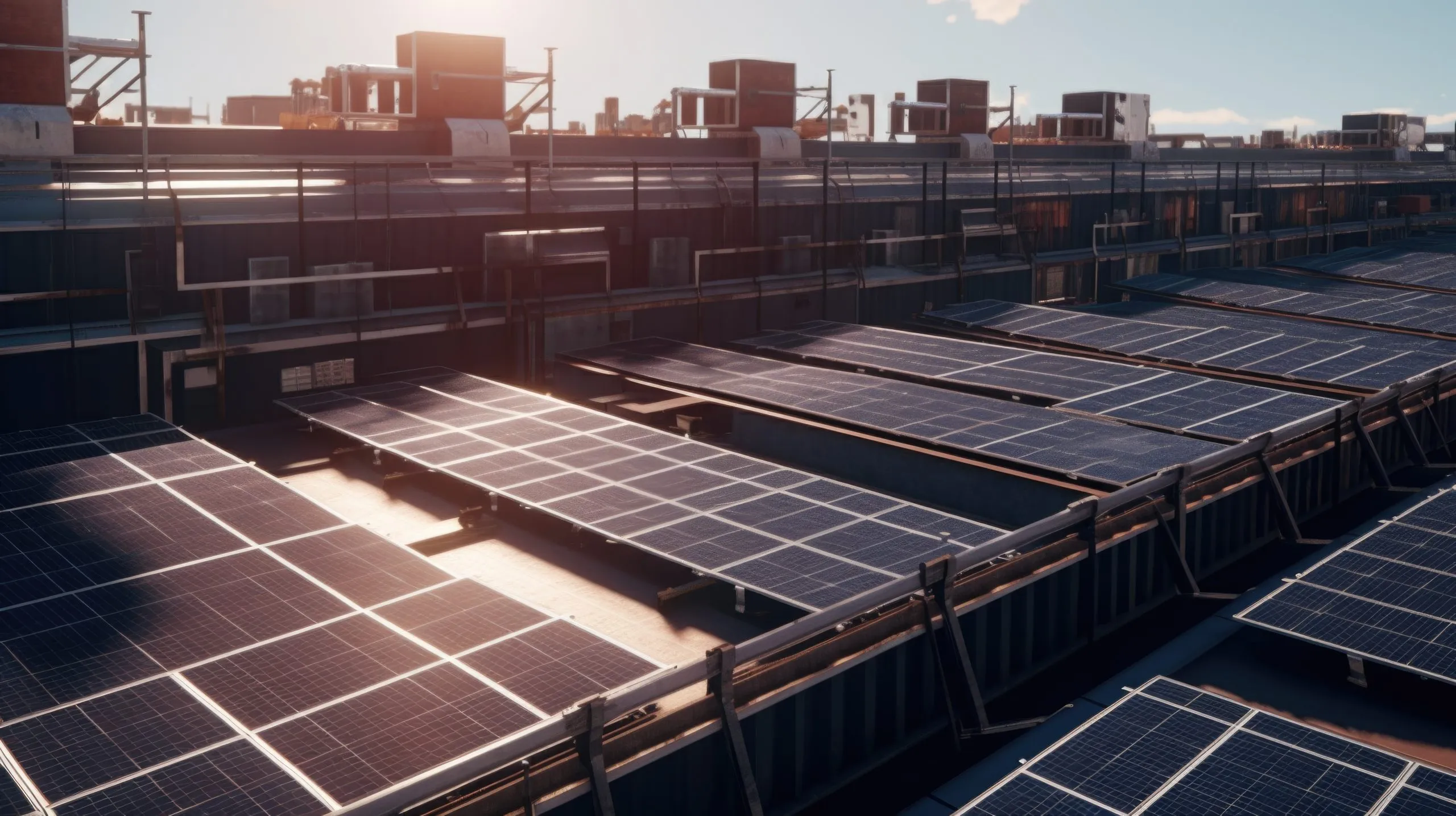
Singapore’s solar photovoltaic (PV) market has gained traction as the city–state seeks to diversify its energy mix and decarbonize its power sector. Solar is regarded as the most feasible domestic renewable source given Singapore’s geographical limitations and lack of wind or hydro resources. Growth in installed capacity has accelerated significantly in recent years, supported by both public and private sector deployment. As of late 2025, total grid‑connected solar PV capacity reached approximately 2,093 MWp, up from negligible levels a decade earlier. Projections indicate continued expansion through 2035 as technology costs decline and deployment strategies evolve.
Key Factors Driving Growth in Singapore Solar PV Market
Rapid Growth in Installed Capacity
Singapore’s solar PV installations have increased rapidly from modest beginnings, with total grid‑connected capacity now exceeding 2 GWp by end of 2025. This reflects multi‑year build‑outs across commercial, industrial and public sectors, with private installations accounting for around 65% of capacity. Continued expansion is supported by forecasts that project the market to reach approximately 5.3 GWp by 2035, representing a compound annual growth rate (CAGR) of roughly 11.7 % from 2024–2035. This growth trajectory is driven by falling PV module prices and enhanced installation efficiency.
Urban Deployment and Technological Adoption
Due to Singapore’s limited land availability, deployment strategies emphasize rooftop systems, floating solar on reservoirs and innovative applications such as building‑integrated photovoltaics (BIPV). Floating arrays and systems mounted on infrastructure are helping unlock additional capacity without competing for scarce land. These approaches increase the feasible deployment footprint, allowing developers to maximize solar generation within dense urban environments.
Energy Demand Dynamics and Corporate Sustainability
Domestic electricity demand is expected to grow through 2035 as industrial and commercial sectors expand. As companies pursue net‑zero targets and renewable procurement, corporate uptake of PV systems is gaining momentum. This trend stimulates investment in distributed generation and long‑term power purchase agreements that underpin market expansion.
Government Policies and Initiatives Fueling Solar PV Adoption in Singapore
Singapore’s energy policy frameworks actively promote solar deployment, including targets under the Singapore Green Plan. The government aims to deploy a minimum of 2 GWp of solar by 2030 through rooftop and floating PV programmers on buildings and reservoirs. Energy Storage Systems (ESS) are also part of a strategy to address solar intermittency and enhance grid flexibility. Regional energy imports are planned to complement domestic generation.
Key Players and Competitive Dynamics in Singapore Solar PV Market
The solar PV sector in Singapore features a mix of established utilities, project developers and technology providers. Local and global firms participate in installation and EPC (engineering, procurement and construction) contracts, often under government tenders and public‑private partnership models. Roofing OEMs and floating solar specialists compete on cost and technical capability. Project financing is supported by power purchase agreements and investor demand for low carbon infrastructure projects.
Key Challenges Impacting the Growth of Singapore Solar PV Market
Land Scarcity and Integration Complexity
Singapore’s dense urban environment limits available land for ground mounted solar, making deployment dependent on rooftops and water surfaces. System integration with existing infrastructure and grid operations introduces complexity, particularly in avoiding overloading and managing variability. Advanced storage and grid balancing solutions are required to mitigate intermittency and maintain reliability.
Future Outlook
Looking ahead to 2035, Singapore’s solar PV market is poised for sustained growth. Installed capacity is projected to more than double from current levels, reaching over 5 GWp as investment and technology efficiency improve. Rooftop, floating, and building integrated systems will remain central to deployment strategies, supported by ESS and smarter grid solutions. Demand growth and corporate sustainability commitments will further stimulate uptake. As costs decline and policy support persists, PV will contribute an increasing share of domestic energy, though total generation will still rely on imports and thermal generation for baseload needs.
Consultants at Nexdigm, in their latest publication “Singapore Solar PV Market Outlook to 2035,” analyze the sector by System Type (Residential Solar Systems, Commercial Solar Systems, Industrial Solar Systems, Utility-scale Solar Systems), By Platform Type (Rooftop Solar Systems, Ground-mounted Solar Systems, Floating Solar Systems), and By Fitment Type (Roof-mounted Systems, Ground-mounted Systems, Integrated Systems). Nexdigm suggests that businesses should align their strategies with market trends and government initiatives to drive growth in emerging sectors like solar energy. In Singapore’s solar PV market, businesses can capitalize on government incentives and technological advancements. Staying informed about regulations and evolving energy demand will help companies position themselves for long-term success, while focusing on sustainability can attract eco-conscious investors and clients.
To take the next step, simply visit our Request a Consultation page and share your requirements with us.
Harsh Mittal
+91-8422857704