
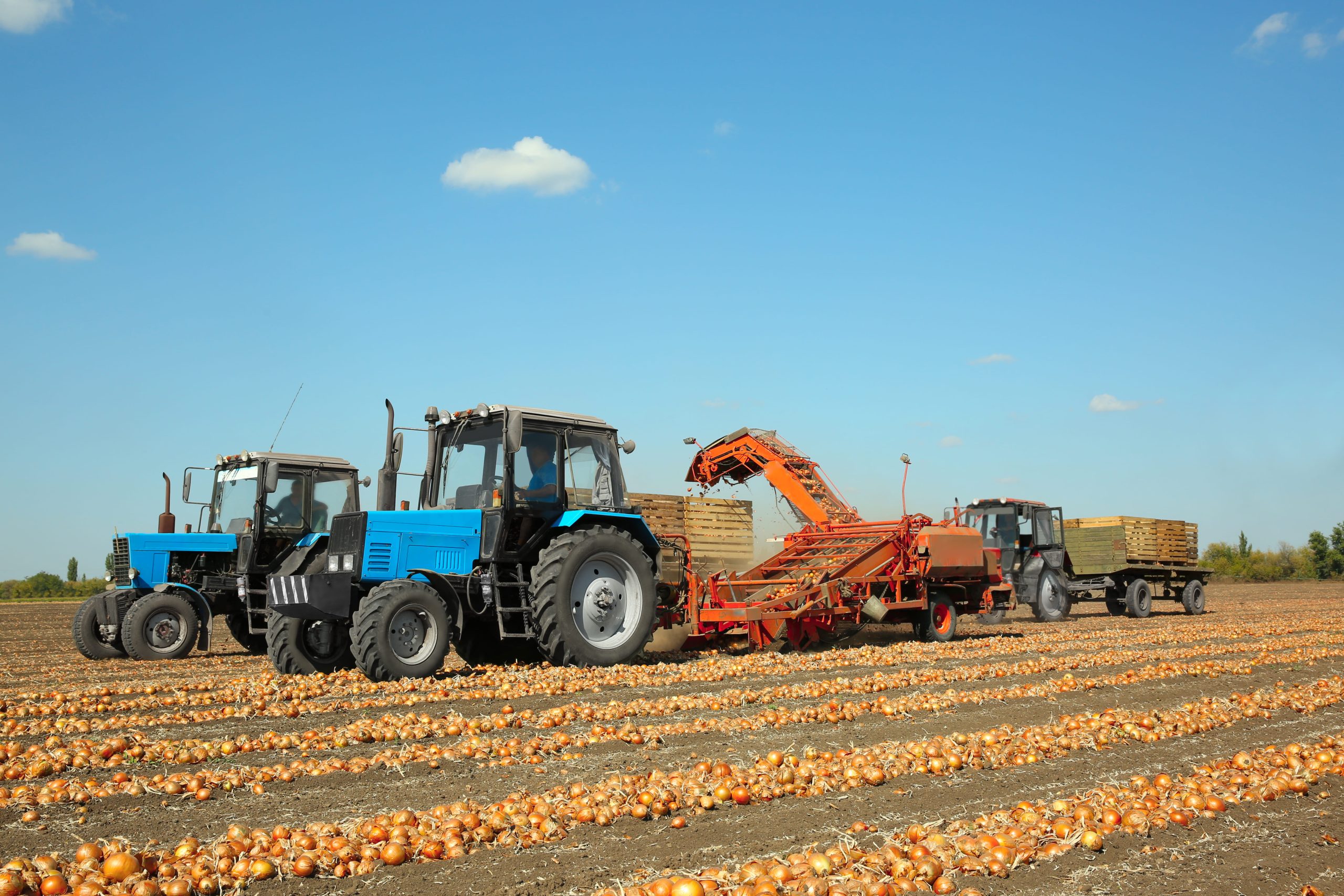
The Singapore used agricultural equipment market is evolving gradually as the country strengthens its food security agenda while managing severe land constraints. With less than 1% of Singapore’s total land area dedicated to agriculture, farming activity remains limited to high-efficiency segments such as indoor vertical farms, hydroponic systems, and peri-urban horticulture clusters. Despite its small agricultural base, Singapore imports close to 90% of its food requirements, making productivity and mechanization critical for domestic producers. As of 2025, a significant share of agricultural equipment used in Singapore is imported, primarily from Japan, China, and European manufacturers. Used equipment, including compact tractors, mini tillers, greenhouse material handlers, and utility loaders, is gaining relevance among smaller farms, cooperatives, and urban farming operators seeking to manage capital expenditure.
What’s Driving the Used Agricultural Equipment Market in Singapore?
Expansion of Urban and Controlled-Environment Farming
Singapore’s push to strengthen domestic food production under its long-term food resilience strategy has encouraged investments in vertical farms, rooftop gardens, and controlled-environment agriculture. These operations rely on compact machinery for substrate handling, indoor transport, and maintenance activities. Used agricultural equipment provides a cost-efficient option for operators who prioritize scalability over ownership of new machinery. The growing number of agri-tech startups has further expanded demand for affordable, functional equipment suited for confined spaces.
Rising Cost Sensitivity Among Small Producers
High land rentals, energy costs, and labor expenses make Singapore’s farming operations capital-intensive. Smaller farms and cooperatives are increasingly cautious about upfront investments in new equipment. Pre-owned machinery enables operators to allocate capital toward automation systems, climate control technology, and nutrient management tools. This cost sensitivity is supporting steady interest in refurbished and well-maintained used equipment, particularly for short-cycle crops and leafy green production.
High Import Reliance and Equipment Turnover
Singapore remains fully dependent on imported agricultural machinery due to the absence of domestic manufacturing. Equipment is sourced mainly from Japan, South Korea, China, and Europe. Larger agri-businesses periodically upgrade to newer, more energy-efficient models to meet sustainability benchmarks and operational efficiency targets. This results in a consistent flow of serviceable equipment entering the resale market. The relatively low annual usage hours in controlled-environment farms also means many used machines retain operational life, improving buyer confidence.
Government-Led Initiatives Supporting Mechanization
The Singapore government continues to support farm modernization through productivity grants, technology adoption schemes, and co-funding programs for agri-tech investments. Support for automation, smart farming systems, and sustainable production methods is indirectly encouraging mechanization. As farms upgrade to newer equipment compatible with digital monitoring and precision farming systems, older but functional equipment is released into the secondary market. Financing programs and innovation grants also help smaller farms adopt mechanized tools without heavy capital strain.
Market Competition and Distribution Landscape
The used agricultural equipment market in Singapore remains fragmented. Authorized dealers of global OEMs dominate the organized resale segment, offering inspected and refurbished equipment with limited warranties. Independent traders and cross-border sellers cater to highly price-sensitive buyers. The emergence of online equipment marketplaces is improving transparency and enabling small farms to access wider inventories. Over time, certified refurbishment programs are expected to formalize the resale ecosystem further.
Limited Domestic Farming Scale
Singapore’s limited agricultural land base significantly constrains overall demand for farming equipment. With less than 1% of land allocated to agriculture, farming activity is concentrated in niche, high-efficiency formats such as vertical farms and controlled-environment cultivation. These models rely on compact, specialized machinery rather than large-scale equipment. As a result, total market volumes remain modest, limiting sales potential for both new and used agricultural machinery across most equipment categories.
Future Outlook
The Singapore used agricultural equipment market is expected to grow steadily through 2035, supported by controlled-environment farming, sustainability-driven equipment upgrades, and rising cost consciousness among producers. The market is likely to become more structured, with improved refurbishment standards, warranty-backed resale programs, and stronger digital distribution channels. While Singapore will not emerge as a high-volume agricultural equipment market, it is positioned to act as a regional trading and refurbishment hub for compact used machinery across Southeast Asia.
Consultants at Nexdigm, in their latest publication “Singapore Used Agricultural Equipment Market Outlook to 2035”, analyzed the market by Equipment Type (Compact Tractors, Material Handlers, Cultivation Tools, Greenhouse Equipment), By Application (Urban Farming, Hydroponics, Vertical Farms, Horticulture), and By Sales Channel (Authorized Dealers, Independent Traders, Online Platforms, Auctions). Nexdigm believes businesses should prioritize certified refurbishment, service-backed resale models, and cross-border resale partnerships to Southeast Asia as key growth levers in the secondary agricultural equipment market.
To take the next step, simply visit our Request a Consultation page and share your requirements with us.
Harsh Mittal
+91-8422857704