
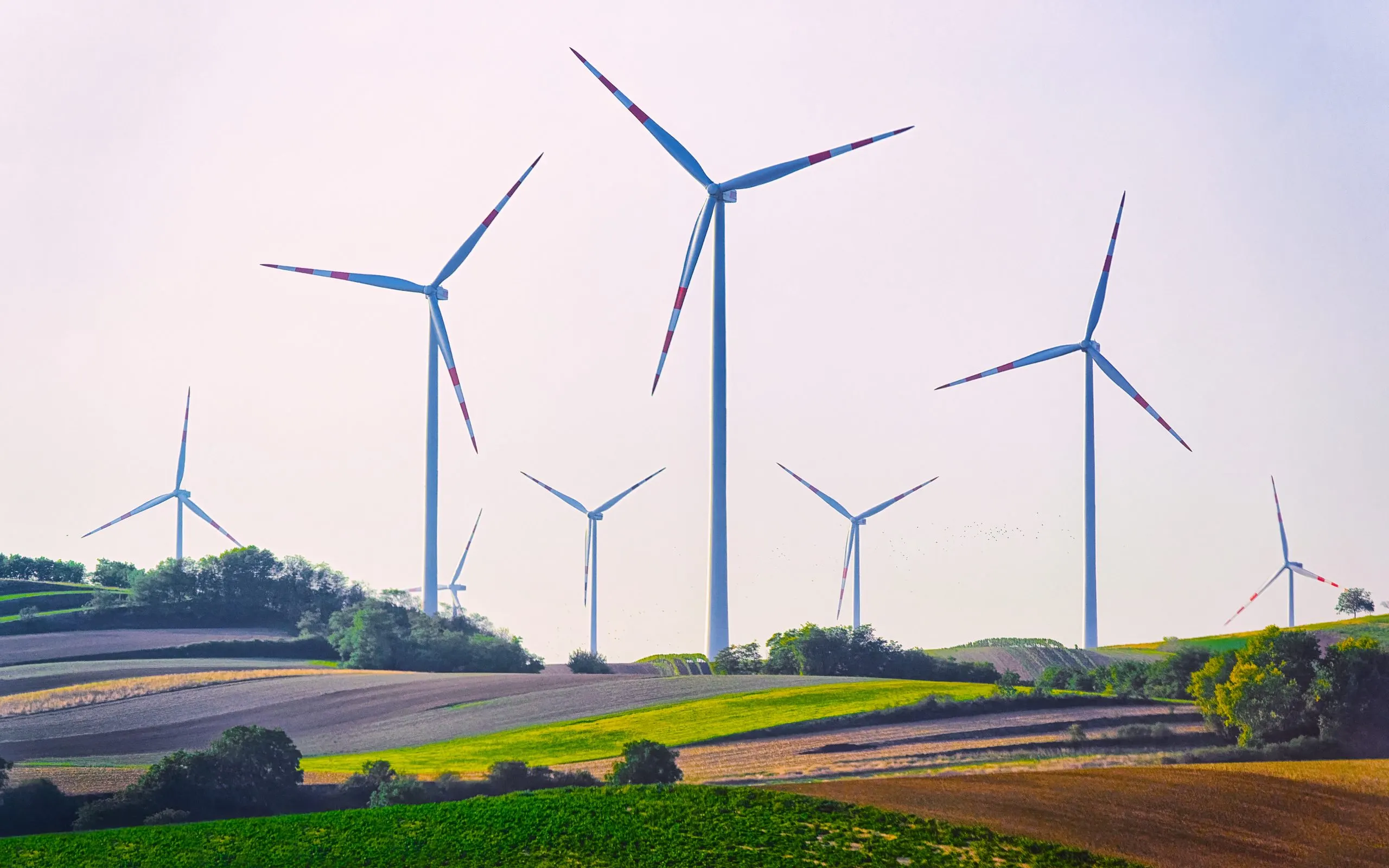
Singapore has limited natural wind resources due to its tropical, low‑wind climate and dense urban landscape, meaning wind energy currently plays a minimal role in domestic electricity generation. Despite this, the city‑state is exploring both offshore wind feasibility and regional wind power sourcing as part of a broader renewable energy strategy to diversify its energy mix and enhance energy security. Driven by rising electricity demand, climate targets, and regional electricity integration plans, Singapore’s wind energy segment is expected to evolve through innovation, partnerships, and imports from neighboring countries by 2035.
Key Drivers Shaping the Growth of Singapore Wind Energy Market
Growing Power Demand & Energy Security
Electricity demand in Singapore is projected to grow at an annual rate of 2–5 % through 2035, driven by advanced manufacturing, data centers, transport electrification, and increased air conditioning loads. This acceleration amplifies pressure on the existing natural‑gas‑centric generation model and bolsters interest in alternative supplies, including imported wind energy.
Regional Renewable Integration
Domestic wind energy potential remains constrained by low average wind speeds and land limitations, which restrict large‑scale onshore or rooftop wind projects. However, Singapore’s strategy increasingly emphasizes offshore wind feasibility studies, technology partnerships, and infrastructure enhancements in its surrounding waters. These efforts aim to align with broader Southeast Asian wind development and facilitate low‑carbon electricity imports. The city‑state has set a target to import up to roughly 6 GW of low‑carbon electricity by 2035, approaching one‑third of projected supply. This imported capacity is expected to include wind power generated from regional grids and partnerships with countries such as Vietnam and Indonesia, enabling Singapore to access more abundant wind resources beyond its own borders.
Government Policies and Initiatives Supporting Wind Energy Development
Singapore’s renewable energy framework under the Green Plan and Energy Reset strategy emphasizes decarbonization and diversification through regional electricity imports, energy storage deployment, and clean energy R&D. The government supports pilot assessments of offshore wind feasibility, regulatory frameworks for renewable integration, and strengthened grid systems to manage variable supplies. Policy incentives and collaborations with international developers aim to attract private investment in wind and other low‑carbon electricity sources.
Overview of Key Players and Competitive Dynamics in Singapore Wind Energy Sector
The renewable energy ecosystem in Singapore draws global and regional firms active in solar, storage, and emerging wind development. While wind prospects domestically are limited, technology suppliers, project developers and energy traders position Singapore as a gateway for ASEAN‑linked wind power imports. Singapore’s infrastructure and finance sectors also support multinational utilities and developers exploring offshore wind and cross‑border power delivery ventures, complementing its broader renewable portfolio.
Key Challenges Facing the Growth of Wind Energy in Singapore
Wind Resource Constraints
Singapore’s geographical and climatic conditions — characterized by low and highly variable wind speeds — restrict cost‑effective wind turbine deployment within the city‑state itself, Large‑scale wind infrastructure is difficult to justify without substantial offshore development or cross‑border grid integration. Regulatory and cost barriers linked to new offshore projects and transmission infrastructure pose additional hurdles, requiring sustained policy support and investment to achieve feasible development by 2035.
Future Outlook
Singapore’s wind energy market is likely to remain focused on regional rather than domestic generation, supported by expanded offshore feasibility, imports, and cross‑border grid integration. While domestic wind capacity may remain modest, participation in ASEAN power networks and partnerships with neighbors with stronger wind resources will be central to achieving low‑carbon electricity targets. Cumulative low‑carbon imports, including wind, are projected to contribute significantly to Singapore’s clean energy mix, complementing solar, energy storage and hydrogen strategies necessary to reach net‑zero objectives by mid‑century.
Consultants at Nexdigm, in their latest publication “Singapore Wind Energy Market Outlook to 2035,” analyze the sector by System Type (Onshore Wind Systems, Offshore Wind Systems, Hybrid Wind Systems, Floating Wind Systems), By Platform Type (Land-Based Platforms, Offshore Platforms, Floating Platforms), and By Fitment Type (Onshore Installations, Offshore Installations, Hybrid Installations). Nexdigm suggests that businesses should assess market trends, identify emerging opportunities, and leverage technological advancements to stay competitive in the evolving landscape. By understanding the shifting dynamics and aligning with the latest innovations, businesses can not only enhance their operational efficiency but also position themselves for long-term growth and sustainability in their respective industries.
To take the next step, simply visit our Request a Consultation page and share your requirements with us.
Harsh Mittal
+91-8422857704