
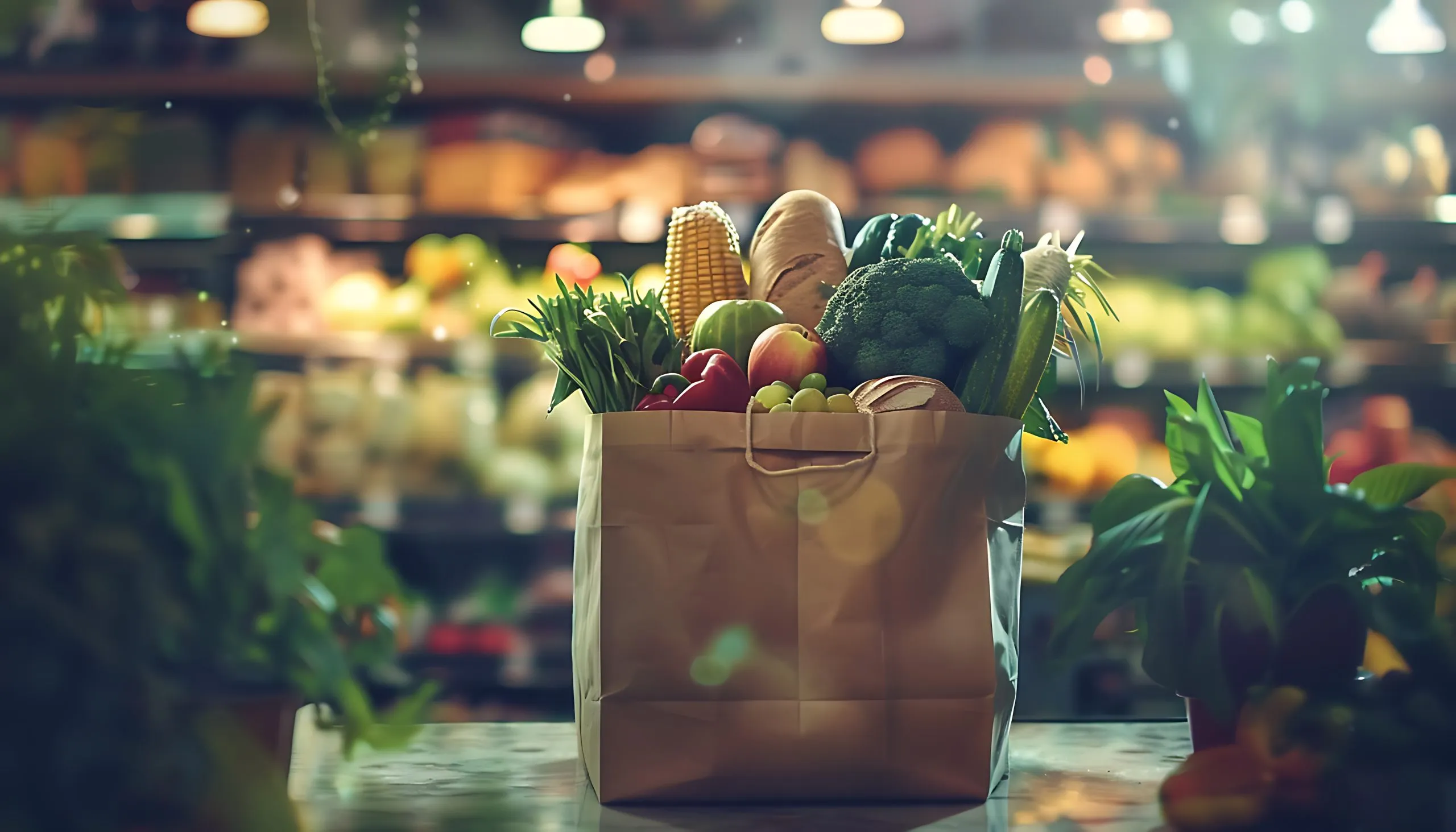
The Singapore zero waste grocery stores market is gaining relevance as consumers, retailers, and policymakers place stronger focus on reducing packaging waste, food waste, and single-use plastics. Zero waste grocery stores encourage refill stations, bulk purchasing, reusable containers, packaging-light shopping, and more responsible product choices. Singapore’s food and grocery retail market is projected to grow at 5.6% CAGR during 2026–2032, creating a steady base for sustainable grocery formats. As shoppers become more conscious about convenience, health, and environmental responsibility, low-waste grocery models are becoming more practical for urban lifestyles.
Key market drivers are strengthening zero waste grocery adoption in Singapore
Sustainability-conscious consumers are reshaping grocery choices
Singaporean consumers are becoming more aware of packaging waste, food waste, and the environmental impact of everyday purchases. This is encouraging interest in grocery formats that offer refillable products, reusable containers, bulk staples, personal care refills, household cleaning products, and packaging-light alternatives. Zero waste grocery stores can appeal to urban households that want cleaner, simpler, and more responsible shopping experiences. These formats are especially relevant in a compact city market where convenience and trust matter. Retailers that make low-waste shopping easy, hygienic, and affordable can build stronger repeat customer relationships.
Online grocery growth is improving access to sustainable products
Singapore’s online grocery market was valued at USD 1.48 billion in 2025 and is projected to reach USD 3.24 billion by 2034, growing at around 9.1% CAGR. This digital shift creates opportunities for zero waste grocery businesses to combine refill retail with online ordering, reusable delivery packaging, subscription refills, and scheduled household replenishment. Digital channels can also help retailers educate consumers, promote sustainable product choices, and improve product discovery. As shoppers increasingly expect convenience, hybrid online-offline models can make low-waste grocery shopping easier to adopt.
Sustainable packaging demand is supporting retail innovation
Packaging waste remains a key focus area in Singapore’s sustainability agenda. Reusable, recyclable, compostable, and lightweight packaging solutions can help zero waste grocery stores improve hygiene, product presentation, and customer confidence.
Government initiatives and packaging regulations are supporting market development
Singapore’s Zero Waste Masterplan and Green Plan 2030 are supporting stronger action on waste reduction, recycling, and resource efficiency. The country aims to increase the overall recycling rate to 70% and reduce waste-to-landfill per capita per day by 30% by 2030. Mandatory packaging reporting also requires obligated producers to report packaging data and submit plans to reduce, reuse, or recycle packaging. These initiatives create a supportive environment for refill stations, reusable packaging, packaging-light retail, and sustainable grocery models.
Competitive landscape is becoming more modern and sustainability focused
The Singapore zero waste grocery stores market includes independent refill stores, organic grocers, specialty sustainability retailers, premium supermarkets, online grocery platforms, and larger retailers introducing eco-friendly product lines. Competition is shaped by convenience, pricing, hygiene, product range, delivery speed, store location, and credibility of sustainability claims. Independent zero waste stores can build loyalty through curated assortments and community engagement, while larger retailers benefit from scale and digital reach. Refill stations, reusable packaging, and transparent sourcing are becoming important differentiators.
Market challenges continue to affect affordability and adoption
Premium pricing can limit repeat purchases
Sustainable products, refill systems, and reusable packaging formats may appear more expensive than conventional grocery options. Retailers need pricing discipline to make low-waste shopping attractive beyond niche consumer groups.
Convenience expectations remain high
Singapore consumers expect efficient shopping, fast delivery, clean stores, and consistent product availability. Zero waste retailers must match these expectations while maintaining hygiene, quality, and credible sustainability standards.
Future outlook
The future outlook for the Singapore zero waste grocery stores market remains positive, supported by food and grocery retail growth, online grocery expansion, packaging regulations, and rising consumer awareness. Opportunities are expected across bulk staples, household refills, personal care refills, sustainable private-label products, reusable delivery packaging, and subscription-based refill models. As more consumers seek responsible shopping choices without compromising convenience, businesses that combine hygiene, affordability, digital access, transparent sourcing, and strong sustainability practices will be better positioned for long-term growth.
Consultants at Nexdigm, in their latest publication “Singapore zero waste grocery stores market outlook to 2035,” analyze the sector By Store Format (Standalone Zero Waste Grocery Stores, Bulk and Refill Stores, Cooperative and Community-based Stores), By Product Category (Food and Beverages, Household Cleaning Products, Reusable Packaging and Storage Products)
Nexdigm suggests that businesses in the Singapore zero waste grocery stores market should focus on refill formats, reusable packaging, sustainable sourcing, and convenient low-waste product ranges to serve conscious urban consumers.
To take the next step, simply visit our Request a Consultation page and share your requirements with us.
Harsh Mittal
+91-8422857704