
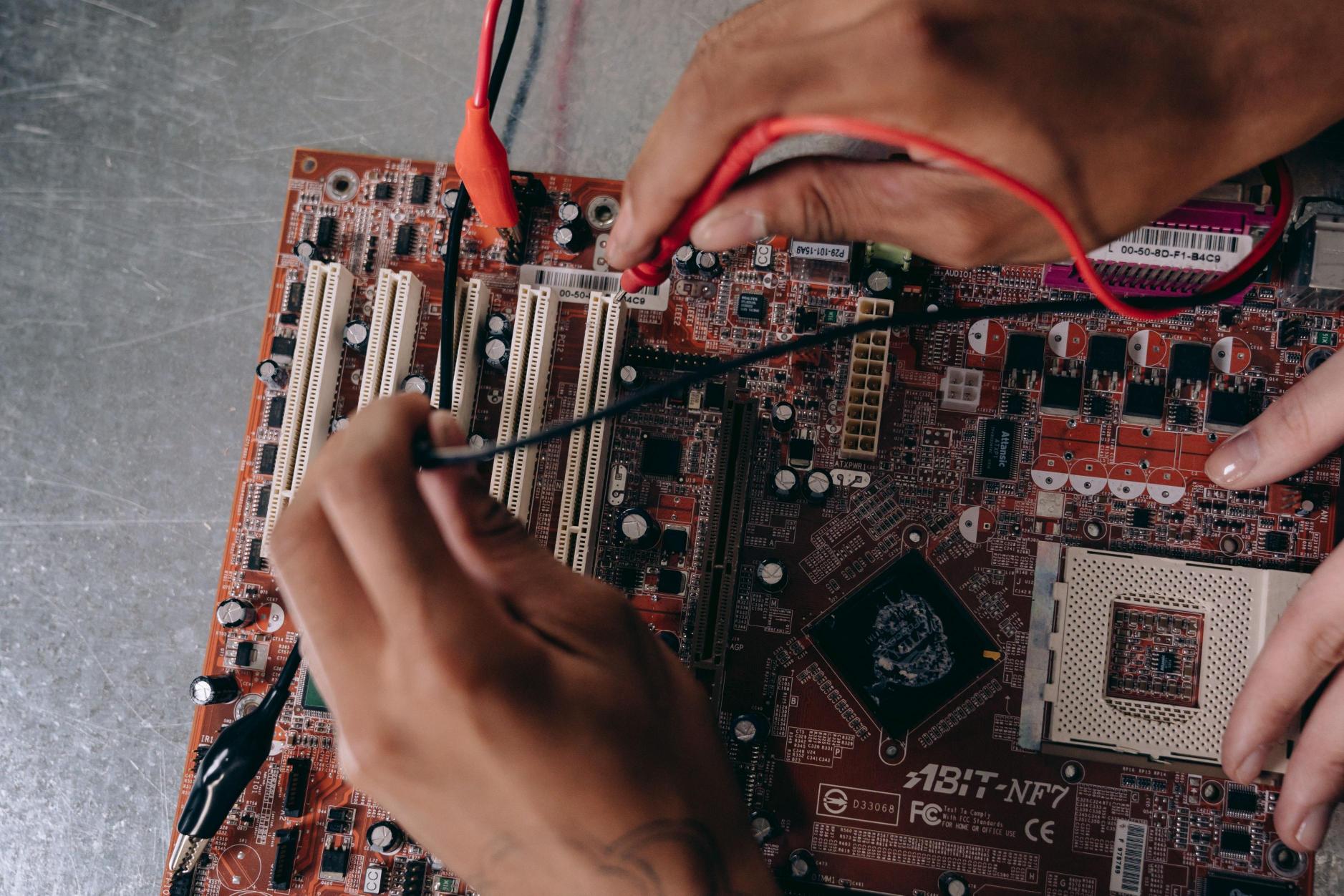
Singapore is strengthening its position in advanced electronics manufacturing, with flexible electronics and flexible circuits emerging as promising areas of industrial development. The growing adoption of wearable devices with connected sensors and compact electronic components is creating new opportunities for manufacturers. According to the report, Singapore’s flexible electronics and flexible circuits industry was valued at USD 1.42 billion in 2025 and is projected to reach approximately USD 4.58 billion, registering a CAGR of 12.4% over the forecast period. Increasing investments in research, production technologies, and sustainable manufacturing are further supporting this expansion.
Market Drivers Advancing Singapore’s Flexible Electronics Growth
Rising Demand for Wearable and Connected Devices
The growing use of wearable healthcare devices, smartwatches, and connected consumer electronics is creating strong demand for flexible circuits. Unlike conventional rigid circuit boards, flexible electronics can bend, fold, and fit into compact product designs. This makes them suitable for applications requiring lightweight construction and greater design flexibility. Healthcare monitoring devices are another important growth area, as manufacturers increasingly integrate flexible sensors into products that track vital signs and other health-related information. The expansion of Internet of Things (IoT) applications is also encouraging electronics manufacturers to develop smaller and more adaptable components.
Advancements in Manufacturing and Production Technologies
Technological improvements in roll-to-roll printing and flexible substrate processing are helping manufacturers improve production efficiency. These techniques support continuous manufacturing, reducing material wastage, and offer opportunities to lower production costs. Singapore’s established electronics manufacturing ecosystem provides a favourable environment for adopting such technologies. Companies are also exploring advanced materials such as polyester and polyimide to improve flexibility, durability, and thermal performance. These developments are making flexible circuits increasingly suitable for applications across consumer electronics, healthcare equipment, and industrial sensing systems.
Growing Focus on Sustainable Electronics
Environmental considerations are becoming increasingly important in electronics production. Manufacturers are exploring recyclable substrates, efficient material usage, and cleaner production methods to meet changing sustainability expectations. The adoption of environmentally responsible manufacturing practices can also help Singapore-based companies remain competitive in international supply chains. As customers increasingly look for durable and resource-efficient electronic products, sustainability is becoming an important consideration in product development and manufacturing decisions.
Government Initiatives Supporting Singapore’s Flexible Electronics Sector
Singapore’s focus on advanced manufacturing, research collaboration and industrial sustainability is creating a supportive environment for flexible electronics development. The Economic Development Board (EDB) encourages investments in high-value manufacturing and innovative production technologies. Additionally, the Singapore Standards Council’s focus on SS 678:2021, relating to sustainability in electronics, supports greater attention to responsible manufacturing practices. Collaboration between businesses, research institutions and industry organizations is also helping manufacturers explore new materials, improve production processes, and strengthen local technological capabilities.
Competitive Landscape of Singapore’s Flexible Electronics Industry
Competition in Singapore’s flexible electronics sector is shaped by technological capabilities, product quality, research investment and manufacturing efficiency. Companies focus on advanced substrates, flexible circuit designs, and specialized electronic components to address changing customer requirements. Flexible Display Technologies, a Singapore-based company founded in 2018, is among the organizations contributing to the local innovation ecosystem. Manufacturers are also strengthening research partnerships and exploring specialized applications to differentiate their offerings. As demand increases, the ability to deliver reliable products while maintaining cost efficiency will remain an important competitive factor.
Challenges Impacting Singapore’s Flexible Electronics Industry
High Production Costs and Technical Limitations
Flexible electronics manufacturing requires specialized materials, precision equipment, and advanced production processes. These requirements can increase initial investment costs, particularly for smaller manufacturers. Maintaining consistent product quality across large production volumes can also be challenging, as flexible circuits must withstand repeated bending, temperature changes, and mechanical stress.
Supply Chain and Material Dependence
Access to high-performance substrates and specialized electronic materials remains important for manufacturers. Dependence on international suppliers can expose businesses to changing material prices, delivery delays and supply chain disruptions. Companies must therefore improve sourcing strategies and production planning while maintaining competitive pricing.
Future Outlook
Expanding Applications Across Industries
The future of the Singapore flexible electronics industry is expected to benefit from increasing adoption across healthcare, consumer electronics, industrial automation and IoT applications. The projected 12.4% CAGR highlights the significant growth potential of this sector, with the industry expected to reach approximately USD 4.58 billion. Demand for lightweight, compact, and adaptable electronic components will continue creating opportunities for manufacturers.
Consultants at Nexdigm, in their latest publication “Singapore Flexible Electronics and Flexible Circuits Market Outlook to 2035 ,” analyze the sector By (Defining Regional Circuit Market Scope, Bottom-Up Production Capacity Assessment, Top-Down Consumption Forecasting Model, Interviews with Singapore Engineering Leads, Analysis).
Nexdigm suggests that businesses in the Singapore Flexible Electronics and Flexible Circuits Industry focus on developing advanced, lightweight, and high-performance circuit solutions that cater to rising demand from consumer electronics, electric vehicles, wearable devices, and healthcare applications while supporting domestic manufacturing and technological innovation.
To take the next step, simply visit our Request a Consultation page and share your requirements with us.
Harsh Mittal
+91-8422857704