
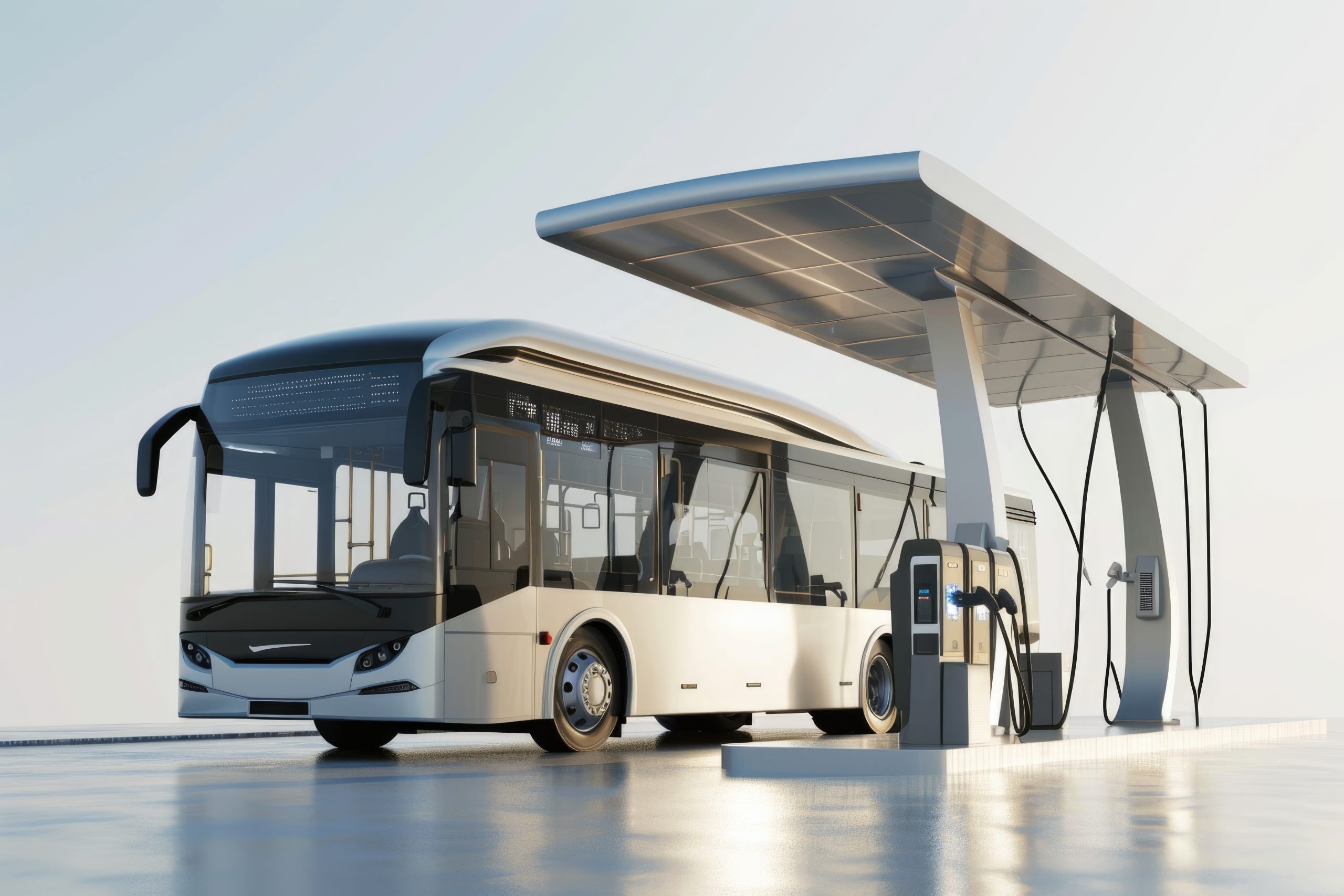
South Africa’s electric bus market is at an early but steadily evolving stage, supported by broader electrification trends in mobility. The market is currently valued at around USD 45 million, with approximately 156 electric buses deployed as of 2024. While adoption remains limited compared to global benchmarks, rising urbanization, environmental concerns, and fuel cost pressures are accelerating interest in electric public transport. With the overall EV market expected to grow at over 30% CAGR through 2030, the electric bus segment is poised for gradual but meaningful expansion toward 2035.
Key Market Drivers Shaping the Growth of Electric Bus Adoption in South Africa
Urbanization and Demand for Public Transport
Rapid urban population growth is increasing pressure on South Africa’s public transport infrastructure. The country has an estimated 25,000 buses in operation, with a significant share used for public transit. As cities expand, authorities are prioritizing efficient, high-capacity, and low-emission transport solutions. Electric buses offer a viable alternative to diesel fleets, particularly in densely populated urban corridors. Additionally, Africa’s broader bus market is growing steadily, reflecting strong underlying demand for mass mobility.
Cost Efficiency and Technological Advancements
Electric buses are gaining traction due to lower operating and maintenance costs compared to internal combustion engine (ICE) buses. Advances in lithium-ion battery technology and declining battery prices are improving total cost of ownership (TCO), with parity expected globally within this decade. Battery electric buses (BEBs) are currently the dominant segment due to zero emissions and reduced fuel dependency. These economic and technological factors are encouraging fleet operators to pilot and scale electric bus deployments.
Environmental and Sustainability Pressures
South Africa faces increasing pressure to reduce greenhouse gas emissions and improve urban air quality. Transport remains a major contributor to emissions, making electrification a strategic priority. Growing awareness of climate change and sustainability goals is pushing municipalities and operators to transition toward cleaner fleets, with electric buses playing a central role in decarbonizing public transport systems.
Government Policies and Strategic Initiatives Supporting Electric Bus Adoption
The government has introduced policies such as the Green Transport Strategy (2018–2050), which promotes a transition to low-carbon mobility, including electric buses. Incentives such as tax rebates, subsidies for EV procurement, and support for local manufacturing are being considered to accelerate adoption. Additionally, long-term targets aim to increase the share of electric vehicles in public transport fleets, aligning with broader climate commitments and sustainable development goals.
Competitive Landscape and Key Players Driving Market Development
The market features a mix of global OEMs and local operators. Key players include BYD, Volvo, Scania, Daimler, MAN, Yutong, and Tata Motors, alongside local operators such as Golden Arrow Bus Services and Putco. Chinese manufacturers are increasingly active, leveraging competitive pricing and expanding their presence in South Africa. The competitive landscape remains fragmented, with partnerships and pilot projects playing a crucial role in early-stage market development.
Key Challenges Impacting the Adoption of Electric Buses in South Africa
Charging Infrastructure and Power Constraints
Limited charging infrastructure remains a major barrier, with only a few hundred public charging stations currently available. In addition, unreliable electricity supply and grid constraints pose operational risks for electric bus fleets.
High Upfront Costs
Electric buses have significantly higher upfront costs than diesel alternatives, which limits adoption among operators with constrained budgets. Despite long-term savings, financing and affordability remain key challenges in scaling deployments.
Future Outlook
The South Africa electric bus market is expected to witness steady growth through 2035, supported by policy backing, improving economics, and rising environmental awareness. The market is projected to attract investments exceeding USD 1.2 billion over the medium term, indicating strong expansion potential. Increasing fleet electrification targets, along with expected additions of hundreds of electric buses by 2030, will drive adoption. While challenges persist, advancements in infrastructure, financing models, and local manufacturing are likely to accelerate the transition, positioning electric buses as a key pillar of South Africa’s sustainable mobility future.
Consultants at Nexdigm, in their latest publication “South Africa Electric Bus Market Outlook to 2035,” analyze the sector by System Type (Battery Electric Buses, Plug-in Hybrid Electric Buses, Fuel Cell Electric Buses, Opportunity Charging Electric Buses), By Platform Type (Urban Public Transit Buses, Intercity Electric Coaches, Airport Shuttle Electric Buses), and By Fitment Type (Fully Built Electric Bus Units, Chassis Integrated Electric Bus Platforms, Retrofit Electric Bus Conversions). Nexdigm suggests that businesses should write market-relevant context that aligns with current industry trends, regulatory shifts, and consumer demand patterns to ensure insights are actionable and strategically valuable.
To take the next step, simply visit our Request a Consultation page and share your requirements with us.
Harsh Mittal
+91-8422857704