
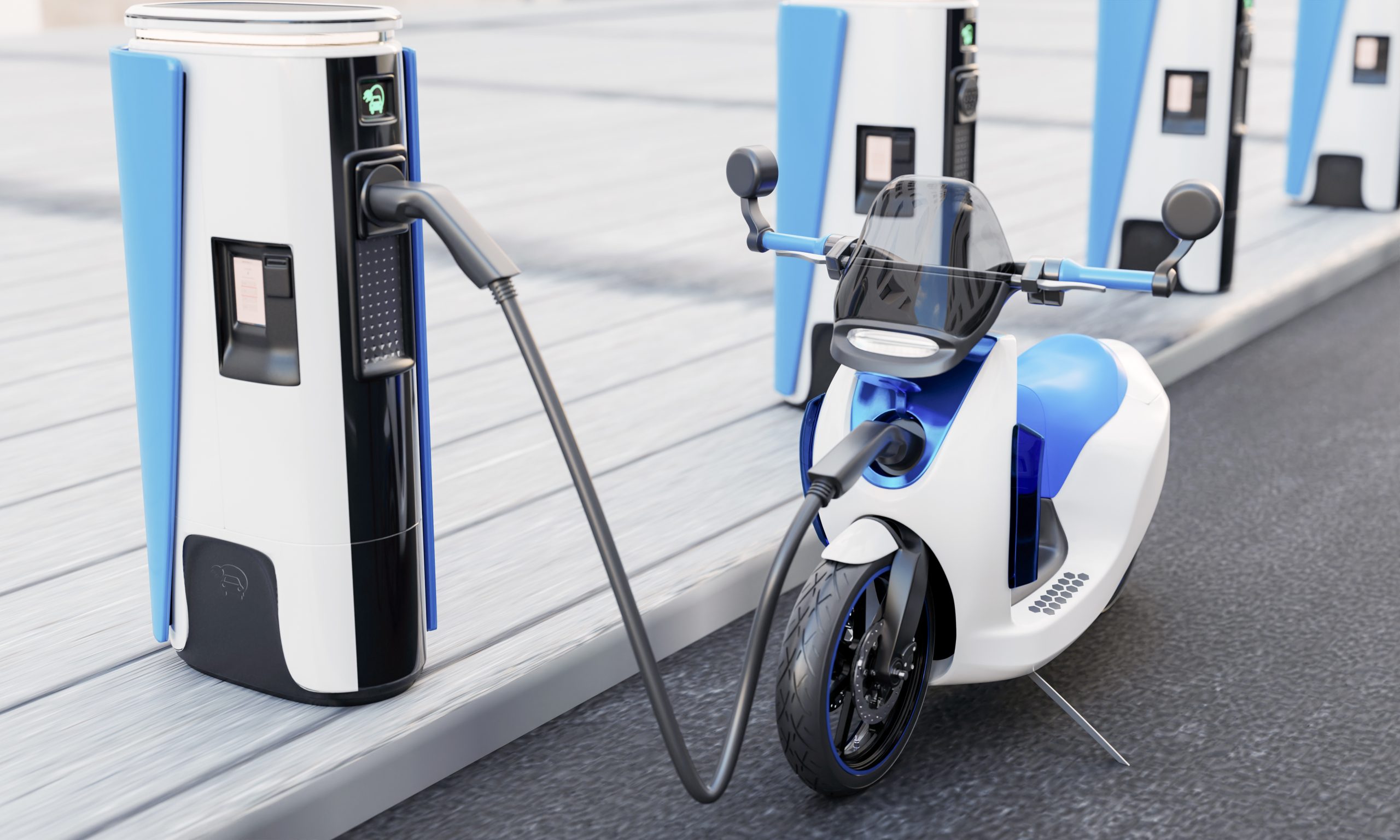
South Africa’s electric two-wheeler market is at a nascent but accelerating stage, driven by rising fuel costs, urban congestion, and growing environmental awareness. The market was valued at approximately USD 62.9 million in 2023 and is projected to reach nearly USD 384.7 million by 2031, expanding at a CAGR of over 25%.
Although adoption remains relatively low compared to global benchmarks, increasing demand for cost-effective last-mile mobility and fleet electrification is positioning electric scooters and motorcycles as a viable alternative to conventional transport in the country.
Key Market Drivers Shaping the Growth of South Africa’s Electric Two-Wheeler Market
Rising Fuel Prices and Cost Efficiency
Escalating fuel prices in South Africa have significantly increased the cost of daily commuting, making electric two-wheelers an attractive alternative. Electric scooters and bikes offer lower operating and maintenance costs, which is particularly appealing to urban commuters and delivery fleets. Additionally, the broader two-wheeler market is growing at over 10% CAGR, reflecting strong demand for economical mobility solutions.
Growth of Last-Mile Delivery and Urban Mobility
The rapid expansion of e-commerce and food delivery services is driving demand for electric two-wheelers, especially in urban centers like Johannesburg and Cape Town. Businesses are increasingly adopting electric fleets to reduce operating costs and meet sustainability targets. Studies indicate that electric micro-mobility, including two- and three-wheelers, could reach a market value of over R21.5 billion by 2030, highlighting strong commercial potential.
Environmental Awareness and Sustainability Trends
Consumers and businesses are becoming more environmentally conscious, encouraging the shift toward cleaner mobility solutions. Electric vehicle adoption in South Africa has already shown rapid growth, with registrations increasing at a CAGR of over 95% between 2018 and 2023. This trend is gradually extending to two-wheelers, supported by global decarbonization goals and local sustainability initiatives.
Government Policies and Incentive Programs Accelerating EV Adoption in South Africa
The South African government is actively promoting EV adoption through policy frameworks and financial incentives. The 2023 Electric Vehicles White Paper outlines plans to transition the automotive sector toward electrification by 2035. Public investments, including a proposed R1 billion fund to support EV and battery production, aim to attract private investment and local manufacturing. Additionally, tax incentives and subsidies for EV production and adoption are under consideration to accelerate market growth.
Competitive Landscape and Emerging Players in South Africa’s Electric Two-Wheeler Market
The market remains fragmented, with a mix of local startups, importers, and international brands. Early adoption has been driven by niche players and Chinese manufacturers offering cost-competitive models. Sales volumes are still modest but growing rapidly—from just over 100 units in 2022 to more than 1,600 units in 2024. Increasing participation from global EV companies and expansion of dealership networks are expected to intensify competition over the next decade.
Key Challenges Hindering the Adoption of Electric Two-Wheelers in South Africa
High Upfront Costs and Limited Infrastructure
Despite strong growth potential, adoption is constrained by high initial purchase costs and limited charging infrastructure. Many consumers still find electric two-wheelers significantly more expensive than internal combustion alternatives. Additionally, South Africa’s charging network—though expanding—remains insufficient for widespread adoption, particularly outside major urban areas. These barriers continue to slow mass-market penetration.
Future Outlook
The South African electric two-wheeler market is expected to witness robust growth through 2035, supported by improving affordability, expanding charging infrastructure, and stronger policy support. Increasing localization of manufacturing and the entry of global OEMs will further accelerate adoption. The market is likely to be driven primarily by commercial applications such as delivery fleets before achieving broader consumer acceptance. As energy systems decarbonize and technology costs decline, electric two-wheelers are expected to become a mainstream mobility solution, contributing significantly to South Africa’s sustainable transport ecosystem.
Consultants at Nexdigm, in their latest publication “South Africa Electric Two-Wheeler Market Outlook to 2035,” analyze the sector by System Type (Electric Scooter, Electric Motorcycles, Electric Mopeds, Electric Cargo Two Wheelers), By Platform Type (Urban Commuter Mobility Platforms, Shared Micro Mobility Platforms, Delivery and Logistics Platforms), and By Fitment Type (Fully Built Electric Two Wheelers, Retrofit Electric Conversion Kits, Swappable Battery Ready Vehicles). Nexdigm suggests that businesses should align their strategies with evolving market dynamics by focusing on cost-efficient electric mobility solutions, strengthening local partnerships, and investing in charging infrastructure to address adoption barriers.
To take the next step, simply visit our Request a Consultation page and share your requirements with us.
Harsh Mittal
+91-8422857704