
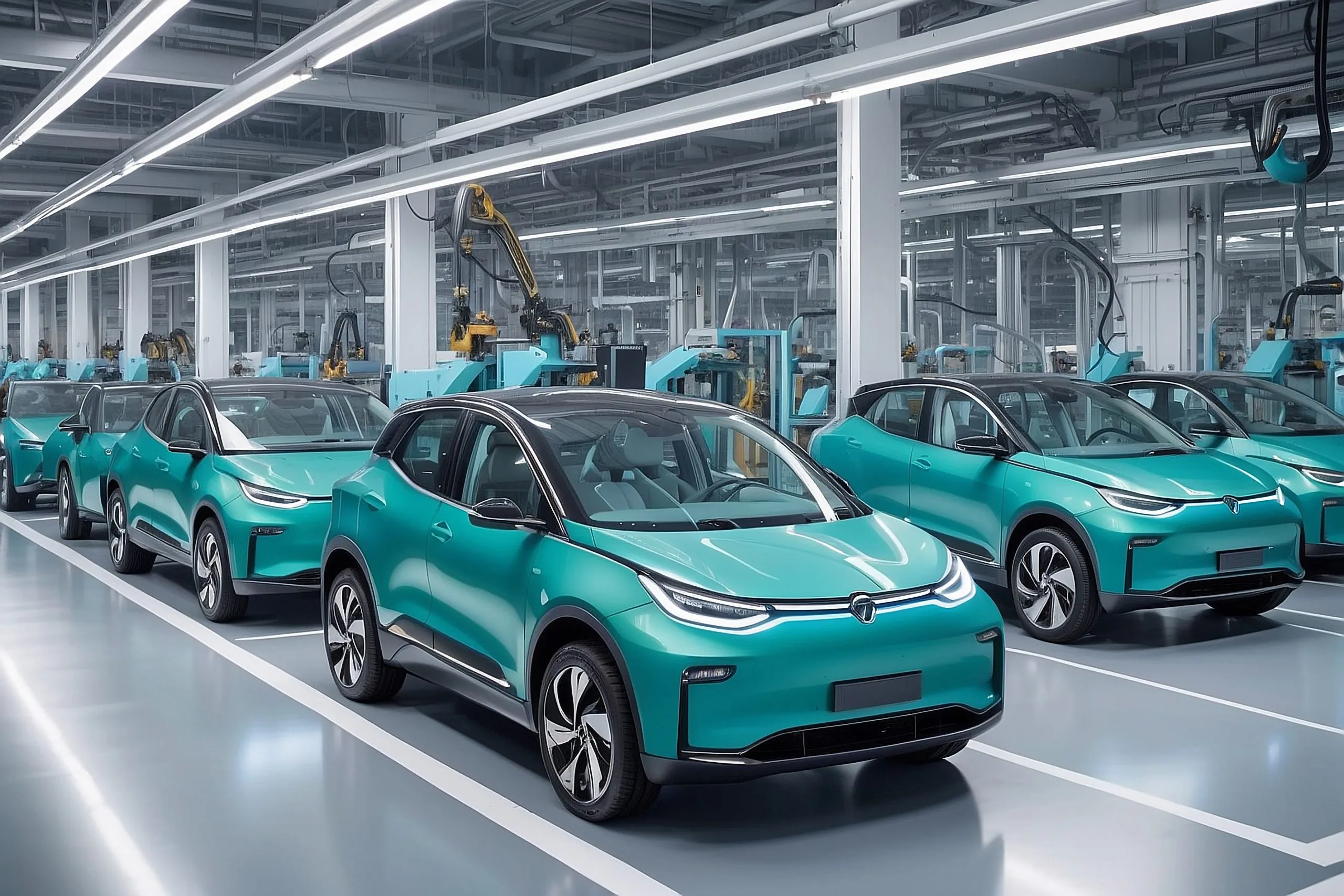
South Africa’s electric vehicle (EV) market is at an early but steadily evolving stage, characterized by low penetration and gradual adoption. In 2025, battery electric vehicles (BEVs) accounted for just 0.17% of total vehicle sales, highlighting the nascent nature of the segment. However, broader new energy vehicle (NEV) sales reached nearly 17,000 units in 2025, indicating rising consumer awareness and diversification into hybrids and plug-in hybrids. With increasing investments, expanding model availability, and policy support, South Africa is expected to witness a gradual acceleration in EV adoption through 2035.
Key Market Drivers Shaping the Growth of South Africa’s EV Market
Expanding Model Availability and Technological Improvements
The South African EV market is benefiting from a growing range of vehicle models across price segments. Automakers such as BMW, Mercedes-Benz, and emerging Chinese brands are expanding their offerings, improving accessibility and consumer choice. Advances in battery technology and vehicle performance are also enhancing range and efficiency, making EVs more practical for everyday use. Reports indicate that the introduction of mid-range EV models could significantly boost adoption between 2026 and 2030.
Rising Environmental Awareness and Global Trends
Global electrification trends are influencing South Africa’s automotive landscape. Worldwide EV sales exceeded 4 million units in Q1 2025 alone, reflecting strong global momentum. This shift is driving local awareness around sustainability, emissions reduction, and fuel cost savings. Corporate fleets and environmentally conscious consumers are increasingly considering EVs as part of broader decarbonization efforts.
Growth in Charging Infrastructure and Energy Ecosystem
Although still limited, charging infrastructure is expanding, supported by private investments and energy sector developments. The charging infrastructure market is projected to exceed $1 billion by 2029, signaling strong growth potential. Improved access to charging—particularly in urban areas and along major transport corridors—will be critical in reducing range anxiety and supporting long-term EV adoption.
Government Policies and Strategic Initiatives Supporting EV Adoption
The South African government has begun aligning its automotive policies with global electrification trends through initiatives such as the Automotive Production and Development Programmer (APDP). Industry stakeholders are advocating targeted incentives, including tax reductions and localization support, to encourage EV manufacturing and adoption. Policymakers are also exploring strategies to balance import duties and promote domestic production, which could improve affordability and strengthen the EV value chain over time.
Competitive Landscape and Key Players Driving Market Competition
The EV market in South Africa is increasingly competitive, led by premium European brands such as BMW, Mercedes-Benz, and Volvo, alongside rapidly growing Chinese entrants like BYD and Chery. Chinese manufacturers are leveraging competitive pricing and advanced technology to gain market share, while established automakers focus on brand strength and product reliability. Hybrid and plug-in hybrid vehicles, particularly from Toyota, continue to dominate the broader electrified vehicle segment, reflecting a transitional phase in consumer adoption.
Key Challenges Hindering the Growth of South Africa’s EV Market
High Costs and Limited Affordability
EVs in South Africa remain expensive, with average prices significantly higher than internal combustion vehicles. Import duties and lack of localized manufacturing further increase costs, limiting adoption among price-sensitive consumers.
Infrastructure and Energy Constraints
Charging infrastructure remains underdeveloped, and the country’s ongoing electricity supply challenges pose a significant barrier. Limited charging access and concerns over power reliability continue to slow widespread EV adoption.
Future Outlook
The South African EV market is expected to grow steadily through 2035, albeit from a low base. Projections suggest the country could have over 25,000 EVs by 2030, representing gradual but meaningful progress. Increasing affordability through mid-range models, improved infrastructure, and supportive policies will be key to accelerating adoption. While hybrids are likely to dominate in the near term, full electrification is expected to gain momentum in the long run. South Africa’s role as a regional automotive hub positions it as a critical entry point for EV expansion across the African continent.
Consultants at Nexdigm, in their latest publication “South Africa Electric Vehicle Market Outlook to 2035,” analyze the sector by System Type (Battery Electric Vehicles, Plug in Hybrid Electric Vehicles, Hybrid Electric Vehicles, Fuel Cell Electric Vehicles), By Platform Type (Passenger Electric Vehicles, Electric Light Commercial Vehicles, Electric Heavy Commercial Vehicles), and By Fitment Type (Factory Integrated EV Systems, Retrofit Electric Conversion Systems, Modular Electric Powertrain Kits). Nexdigm suggests that businesses should align their strategies with evolving EV adoption trends, invest in localized supply chains, and leverage emerging policy support to remain competitive in South Africa’s transitioning mobility landscape.
To take the next step, simply visit our Request a Consultation page and share your requirements with us.
Harsh Mittal
+91-8422857704