
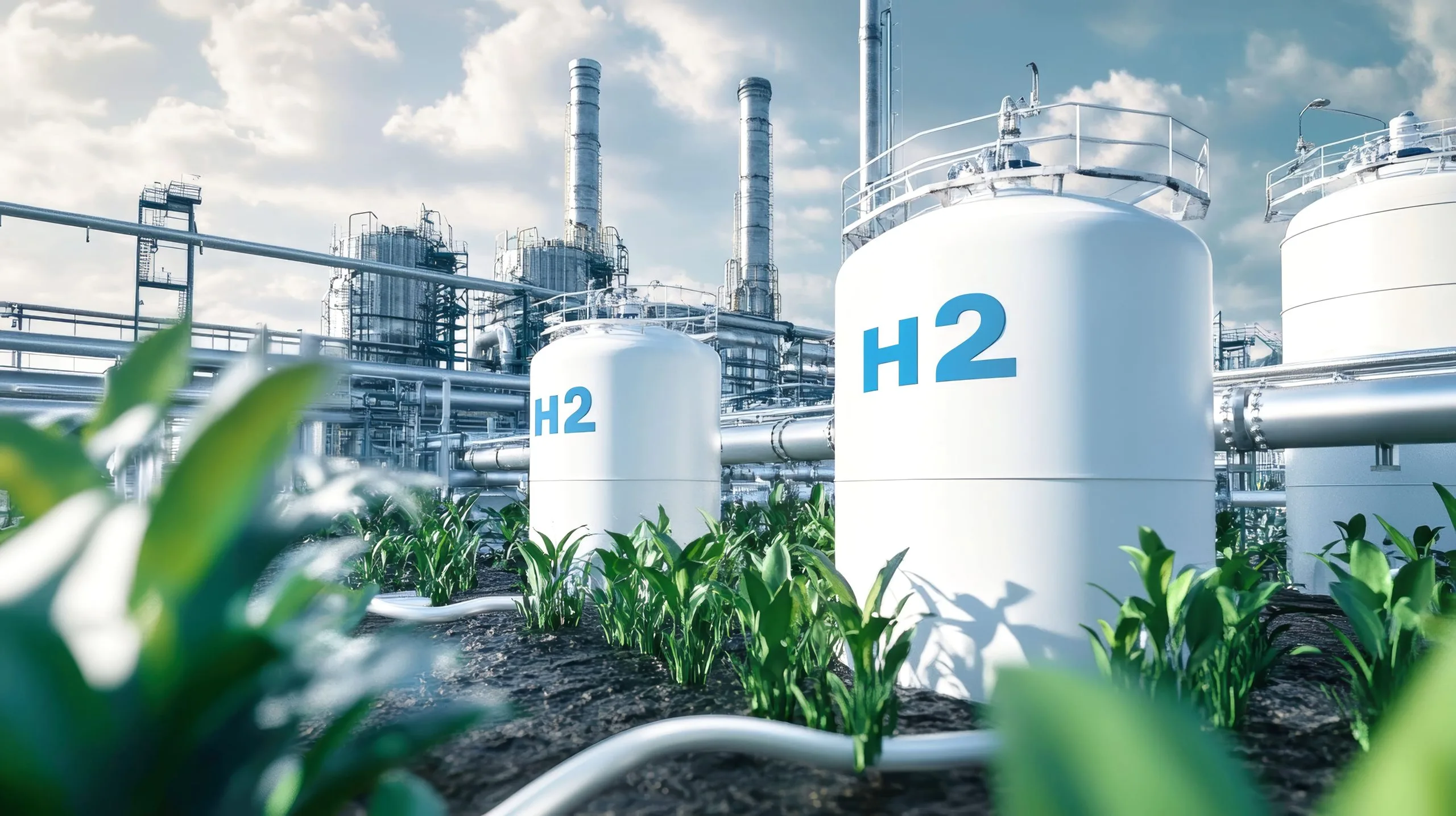
South Africa’s energy industry is entering a very different phase compared to where it stood just a decade ago. Years of power shortages, pressure to cut emissions, and rising global interest in cleaner fuels have pushed green hydrogen into serious policy and investment discussions. By 2026, the country has already secured billions in proposed hydrogen-linked investments, particularly around the Northern Cape, where solar and wind conditions are among the best globally. What makes South Africa stand out is not only its renewable energy potential, but also its access to export routes and existing industrial demand from sectors such as mining and chemicals. At the same time, there is growing recognition that hydrogen projects are expensive, technically demanding, and heavily dependent on infrastructure that still needs to be built.
What’s Driving the Green Hydrogen Market in South Africa?
Renewable Energy Availability Creating Cost Advantages
Few countries combine solar and wind resources as effectively as South Africa. In areas like the Northern Cape, renewable energy projects can operate at high efficiency levels for much of the year, which matters because electricity is the single biggest cost in green hydrogen production. Developers are increasingly pairing solar farms with electrolyzer facilities to produce hydrogen close to generation sites rather than relying entirely on the national grid. In practice, this setup helps reduce transmission losses and lowers long-term operating costs. For investors looking at export-focused hydrogen production, these economics are becoming difficult to ignore.
Export Demand from Europe and Asia
European countries, particularly Germany and the Netherlands, are actively searching for stable suppliers of green hydrogen and green ammonia as industries move away from fossil fuels. South Africa has started to benefit from that demand shift. Ports such as Richards Bay and Saldanha Bay are being discussed as future hydrogen export hubs, with feasibility studies already underway. There is also strong interest from shipping and fertilizer companies that need low-carbon fuel alternatives. While export ambitions are realistic, many analysts believe local industrial adoption will ultimately determine whether the sector develops sustainably over the long term.
Mining and Heavy Industry Looking for Cleaner Alternatives
Mining remains central to South Africa’s economy, and large mining firms are under mounting pressure to lower emissions. Hydrogen-powered haul trucks and fuel-cell systems are gaining attention because diesel costs have become increasingly difficult to manage, both financially and environmentally. Anglo American’s hydrogen-powered mining truck pilot has already drawn global attention and highlighted how hydrogen could fit into real industrial operations rather than remaining a theoretical energy solution. Steel and chemical manufacturers are also exploring cleaner production methods, especially as export markets tighten carbon regulations on imported goods.
Government-Led Hydrogen Economy Initiatives
The South African government has moved beyond early-stage policy discussions and is now supporting specific hydrogen infrastructure plans. The Hydrogen Society Roadmap outlines goals tied to industrial development, renewable energy expansion, and export competitiveness. There is also a strong push toward public-private collaboration, partly because hydrogen projects require enormous upfront capital. International financing partnerships with European institutions have started to emerge, helping fund pilot projects and technical studies. Still, on the ground, progress often depends on how quickly approvals, transmission upgrades, and water access issues can be resolved.
Market Competition and Emerging Investments
Competition within the South Africa green hydrogen market is still developing, though activity has accelerated noticeably since 2024. Energy companies, industrial gas firms, and global infrastructure investors are all trying to secure early project opportunities. Sasol, for instance, has shown interest in leveraging its long-standing chemicals expertise for hydrogen-based fuel production. Several international consortiums are also assessing green ammonia facilities aimed at export markets. What is interesting is that many projects remain tied to broader renewable energy developments, meaning delays in solar or transmission infrastructure can affect hydrogen timelines as well.
Infrastructure and Cost Challenges
One major challenge facing the market is the sheer scale of infrastructure required. Producing green hydrogen is only part of the equation. Storage terminals, desalination facilities, export pipelines, and specialized port systems all require massive investment. Water availability is another concern that cannot be overlooked in a country already dealing with periodic drought conditions. A common challenge is balancing export ambitions with local energy reliability, especially when parts of the country still struggle with electricity shortages. Without significant improvements in grid stability and financing access, some announced projects may move slower than expected.
Latest Developments in South Africa’s Green Hydrogen Sector
South Africa’s hydrogen industry witnessed fresh momentum in 2026 after Toyota and the South African government launched a locally developed mobile hydrogen refuelling station at North West University. The project highlights growing interest in hydrogen mobility and localized fuel infrastructure within the country. At the same time, Germany and the European Union extended financial support for South Africa’s green hydrogen and battery value chain initiatives, including funding for renewable energy and export infrastructure upgrades. Industry attention has also shifted toward sustainable aviation fuel, with Sasol advancing plans to export low-carbon aviation fuel to Europe as demand for cleaner industrial energy sources continues to rise.
Future Outlook
The South Africa green hydrogen market has strong long-term potential, but the road to 2035 will probably be uneven rather than explosive. Large export projects are likely to move forward first, especially those backed by international funding and long-term supply agreements. Domestic hydrogen use in mining, freight transport, and industrial manufacturing should expand gradually as costs fall and supporting infrastructure improves. By 2035, South Africa could become one of the leading hydrogen suppliers from the Global South, particularly for Europe’s industrial sector. Still, success will depend less on ambitious announcements and more on execution – reliable power generation, port readiness, and the ability to turn pilot projects into commercially viable operations.
Consultants at Nexdigm, in their latest publication “South Africa Green Hydrogen Market Outlook to 2035,” analyzed the market by Technology (Electrolysis, Biomass Gasification, Others), By Application (Transportation, Power Generation, Industrial Feedstock, Export Markets), and By End User (Mining, Chemicals, Mobility, Utilities, Manufacturing). Nexdigm believes companies operating in this market should focus on integrated renewable energy projects, long-term export agreements, and localized supply chains while carefully managing infrastructure costs and water resource constraints.
To take the next step, simply visit our Request a Consultation page and share your requirements with us.
Harsh Mittal
+91-8422857704