
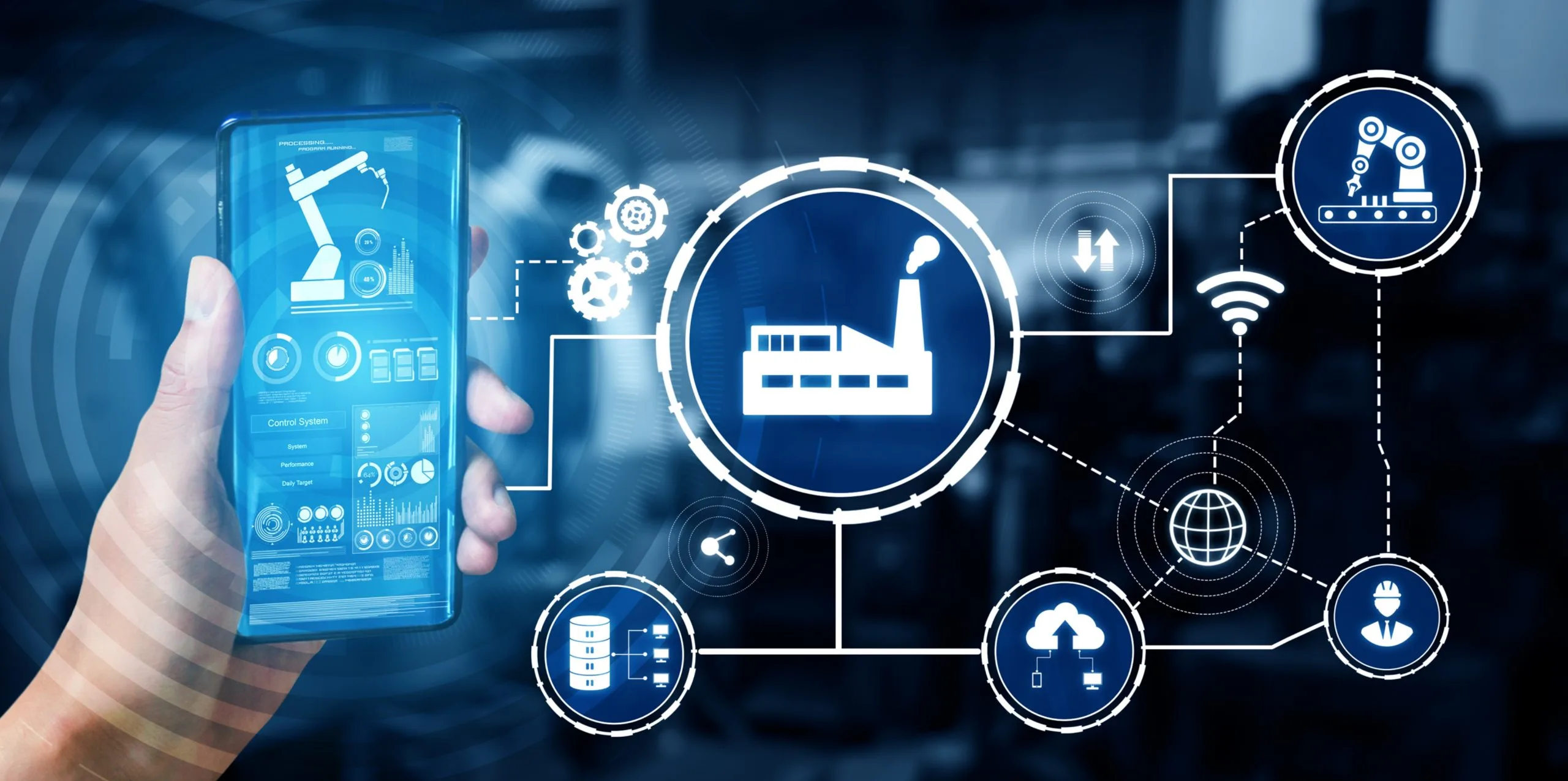
South Africa is embracing the Industrial Internet of Things (IIoT) as a transformative force across its industrial sectors. With its potential to streamline operations, boost productivity, and enable smarter decision-making, IIoT is quickly becoming essential in manufacturing, mining, energy, and logistics. In the coming years, the IIoT market in South Africa is expected to play a pivotal role in enhancing the country’s global competitiveness. The market is forecast to grow at a steady pace, with annual adoption rates climbing by 25% in various industries. As South African businesses pursue digital transformation, IIoT technologies will be central to improving efficiency and reducing operational costs.
Key Market Drivers of South Africa’s IoT Industry
Revolutionising Manufacturing with Smart Technologies
Manufacturers in South Africa are increasingly turning to IIoT to modernise their operations. Automation, real‑time monitoring, and predictive maintenance are driving major improvements in production lines, helping manufacturers reduce downtime, optimise processes, and ensure product consistency. For example, predictive maintenance can reduce unplanned downtime by up to 30% and improve overall equipment effectiveness (OEE). With growing pressure to compete on the global stage, South African manufacturers are investing in connected technologies to remain competitive. As IIoT technologies continue to evolve, they enable businesses to streamline operations, enhance product quality, and lower costs through smarter data use.
IIoT in Mining and Resource Management
The mining sector, a cornerstone of South Africa’s economy, is embracing IIoT to optimise operations and improve resource efficiency. Sensors, automation, and data analytics are being deployed to track asset health, optimise production, and increase worker safety in challenging environments. Real‑time monitoring of mining equipment, for example, helps prevent breakdowns before they occur, saving repair costs and reducing downtime. IIoT also supports environmental sustainability by monitoring energy consumption, water usage, and waste, helping mining companies meet regulatory standards while improving efficiency.
Expanding IIoT in Energy, Utilities, and Logistics
In the energy and utilities sectors, IIoT is enabling more efficient grid management, predictive analysis of energy consumption, and better integration of renewable energy sources. Similarly, in logistics and warehousing, IIoT is improving inventory management, fleet operations, and supply chain visibility. As the demand for more connected and efficient systems grows, industries like logistics and energy will increasingly rely on IIoT solutions to monitor and manage assets remotely, driving down operational costs and increasing efficiency. These cross‑sector applications of IIoT are accelerating adoption and transforming operations across South Africa’s industrial landscape.
South African Government Support promoting IoT Adoption
The South African government is fostering the growth of IIoT technologies through targeted policies and initiatives aimed at modernising industry and boosting economic growth. Through frameworks like the Industrial Policy Action Plan (IPAP) and the push for Industry 4.0, the government is prioritising digital transformation. These policies support initiatives to improve connectivity, build digital infrastructure, and provide incentives for businesses investing in smart technologies. Additionally, there is a focus on workforce development and skills training to bridge the gap in expertise, ensuring that South Africa has the necessary human capital to drive IIoT adoption.
Competitive Landscape of South Africa’s IoT Industry
The South African IIoT market is highly competitive, with both global giants and local innovators playing key roles. Global players such as Siemens, ABB, Honeywell, and Schneider Electric provide comprehensive IIoT solutions that span across industries like manufacturing, mining, and energy. Local companies like Altron and Azoteq are also carving a niche by offering tailored solutions and integration services that cater to specific industry needs. These companies are crucial in adapting IIoT technologies to the local market, ensuring they meet the unique challenges and regulatory requirements of South Africa’s industrial sectors.
Market Challenges affecting South Africa’s IoT Industry
Connectivity Issues and Infrastructure Gaps
While South Africa’s urban areas are increasingly well‑connected, rural and remote regions still face challenges in terms of high‑speed internet and network infrastructure. IIoT applications, particularly those that rely on real‑time data transfer and cloud connectivity, are hindered by these limitations. Bridging the infrastructure gap will be essential for scaling IIoT across the country and ensuring that industries in all regions can benefit from the technology.
Skills Shortages and Integration Hurdles
One of the major barriers to IIoT adoption is the shortage of skilled workers proficient in data analytics, system integration, and automation technologies. There is also a lack of sufficient training programmes focused on IIoT, which makes it harder for companies to find qualified professionals. Additionally, integrating IIoT solutions into existing legacy systems is often a complex process, requiring both time and financial investment. Addressing these challenges through targeted education initiatives and clearer pathways for integration will be crucial for accelerating IIoT adoption.
Future Outlook
South Africa’s IIoT market is set to become a key driver of industrial transformation, with broad adoption across sectors like manufacturing, mining, logistics, and energy. As connectivity improves and the cost of IIoT solutions decreases, even small and medium enterprises (SMEs) will begin to embrace the technology. South Africa’s ongoing investment in digital infrastructure, skill development, and policy support will further propel the growth of IIoT, making it a critical part of the country’s industrial strategy. With IIoT solutions continuing to evolve, industries will experience more efficient operations, smarter decision-making, and improved resource management. As businesses continue to embrace digital technologies, South Africa is poised to be a regional leader in IIoT adoption, setting the stage for sustainable economic growth and industrial competitiveness in the coming years.
Consultants at Nexdigm, in their latest publication South Africa Industrial IoT Market Outlook to 2035 analyze the sector by Platform Types (Cloud based Platforms, Edge promoting platforms, On premises Platforms, Embedded systems, Hybrid Platforms), by End User Segment (Automotive sector, Oil and Gas, Manufacturing Industries, Electronics and Semiconductors and Energy and Utilities).
Nexdigm suggests that businesses in South Africa must adopt Industrial IoT to stay competitive. By integrating smart technologies, companies can enhance operational efficiency, reduce costs, and foster innovation. It’s crucial for businesses to focus on workforce upskilling, cybersecurity, and digital infrastructure to successfully navigate the evolving IIoT landscape.
To take the next step, simply visit our Request a Consultation page and share your requirements with us.
Harsh Mittal
+91-8422857704