
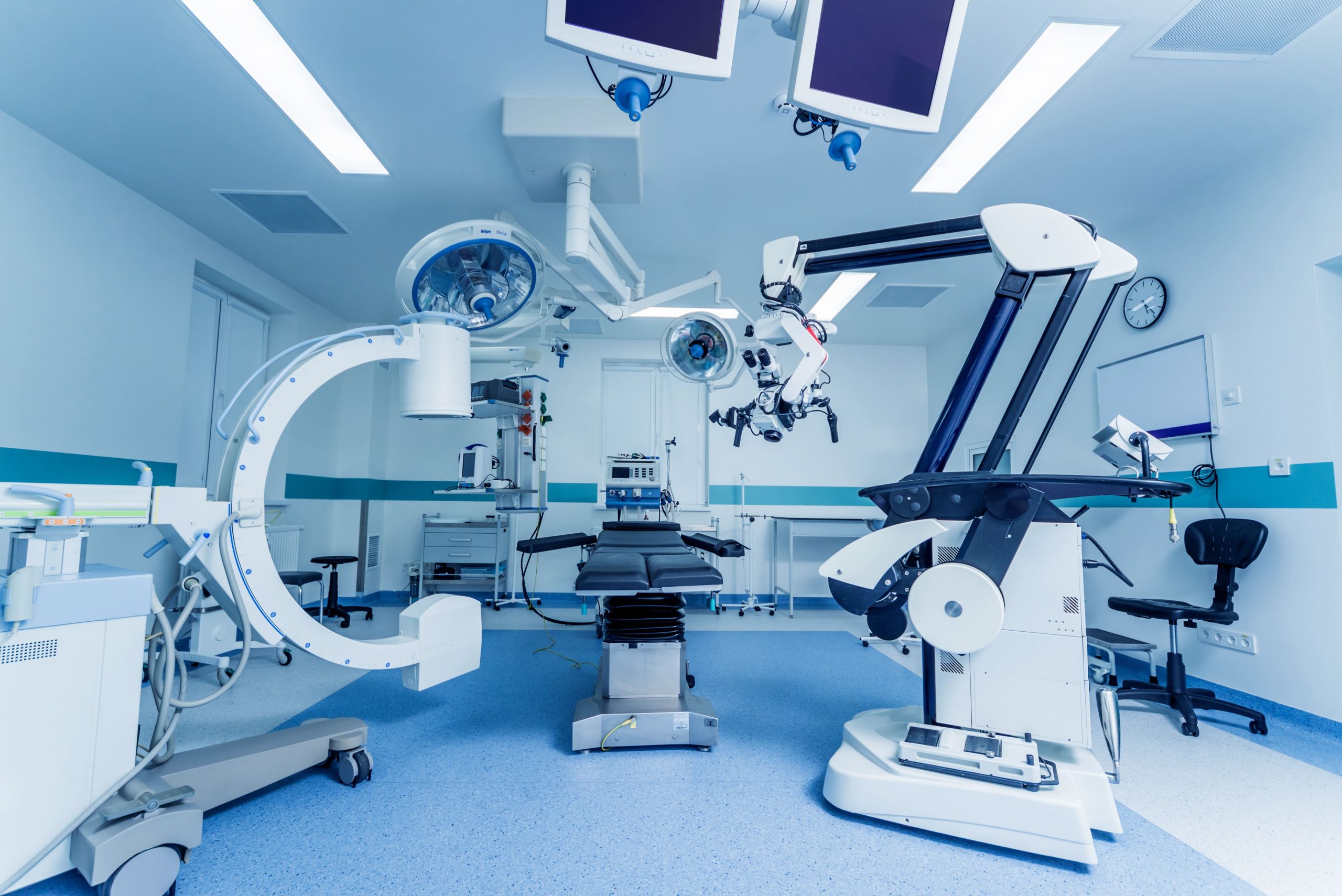
South Africa’s medical devices market is moving into a more important phase than many people in the sector expected a few years ago. The country already has one of the most developed healthcare systems in Africa, but that does not mean the market is easy or fully mature. In 2026, demand is being shaped by a mix of practical realities: rising pressure on hospitals, stronger need for diagnostics, tighter regulation, and a healthcare system that still leans heavily on imported equipment. Private hospital groups continue to adopt advanced technologies faster than the public sector, but both sides of the market are under pressure to improve access and efficiency. That matters because South Africa is not just a domestic market – it often acts as the first entry point for MedTech companies looking at the wider Southern African region.
What’s Driving the Medical Devices Market in South Africa?
Rising Burden of Chronic and Infectious Diseases
One of the clearest demand drivers is the country’s disease profile. South Africa continues to deal with a difficult mix of chronic conditions such as diabetes, cardiovascular disease, and cancer, while also carrying a long-standing burden of infectious diseases including HIV and tuberculosis. That creates sustained demand for patient monitors, infusion pumps, imaging systems, dialysis equipment, and laboratory diagnostics. In practice, this means hospitals are not just buying for expansion – they are replacing overused systems and trying to reduce downtime in high-pressure departments.
Technology Adoption in Private Healthcare
The private healthcare segment has been quicker to invest in newer medical technologies, especially in urban centres such as Johannesburg, Cape Town, and Durban. Radiology, pathology, and specialist care units are increasingly using AI-assisted imaging, digital reporting tools, and remote monitoring systems to improve turnaround time and patient management. On the ground, this shift is less about chasing innovation for its own sake and more about coping with specialist shortages, patient volumes, and rising expectations from insured patients who want faster and more accurate care.
South Africa’s Role as a Regional Supply Hub
South Africa also benefits from being one of the few African markets with a relatively structured medical supply chain. For many multinational device companies, the country functions as a base for warehousing, distribution, servicing, and regional sales. That gives it an advantage beyond domestic consumption. A distributor in Johannesburg, for example, may not only serve local hospitals but also supply equipment or spare parts into Botswana, Namibia, Zambia, or Mozambique. That regional role gives the market more commercial weight than its population size alone would suggest.
Government-Led Initiatives
Policy has started to matter more in this market than it did in the past. The South African government has been taking clearer steps to support domestic participation in the medical technology industry, most notably through the MEDTECH Master Plan. The intention is straightforward: reduce overdependence on imports, build local capability where possible, and create more opportunities for smaller manufacturers and component suppliers. Regulation is also becoming harder to ignore. SAHPRA has gradually tightened oversight of medical devices and in-vitro diagnostics, which should help clean up parts of the market that have historically been inconsistent. That is good for quality and patient safety, though it also means smaller importers and distributors may face more compliance pressure in the years ahead.
Market Competition
The South Africa medical devices market remains moderately concentrated, particularly in higher-value categories such as imaging, surgical systems, and critical care equipment. Large international companies including Siemens Healthineers, GE HealthCare, Philips, Medtronic, Abbott, and Becton Dickinson continue to dominate these segments because hospitals tend to prefer brands with established service support and clinical credibility. That said, local innovation should not be dismissed. South African firms such as Lodox Systems, CapeRay Medical, Medical Diagnostech, and Sinapi Biomedical have shown that there is room for niche manufacturing and problem-specific innovation. The challenge is scale. Many local companies can build useful products, but scaling beyond pilot success remains difficult without stronger procurement support and export channels.
High Import Dependency
South Africa’s biggest structural weakness in this market is still its dependence on imported devices. Advanced imaging equipment, surgical robotics, ICU technologies, and many specialist diagnostics are sourced largely from overseas manufacturers. That creates obvious cost pressure, especially when exchange rates move sharply or freight and logistics become unstable. A common challenge is that even when demand exists, procurement cycles can slow adoption. Public hospitals often face budget constraints and administrative delays, while private providers may hesitate if reimbursement pathways are unclear. So the issue is not only import reliance – it is also the cost and friction that come with it.
Future Outlook
By 2035, South Africa’s medical devices market is likely to look more structured, more regulated, and somewhat more locally capable than it does today. Growth will likely come from practical categories first: diagnostics, portable monitoring, home-based care devices, mid-cost imaging systems, and technologies that help hospitals operate more efficiently without massive capital outlays. The most promising opportunities will probably sit in products that match African healthcare realities rather than simply importing premium Western models. That includes durable, serviceable, and cost-conscious equipment suited to mixed-resource environments.
Consultants at Nexdigm, in their latest publication “South Africa Medical Devices Market Outlook to 2035”, analyzed the market by Product Type (Diagnostic Imaging Devices, Patient Monitoring Equipment, Surgical Instruments, In-Vitro Diagnostics, Orthopaedic Devices), By End User (Hospitals, Diagnostic Laboratories, Ambulatory Surgical Centres, Home Healthcare, Clinics), and By Distribution Channel (Direct Sales, Distributors & Wholesalers, Tender Procurement, Online Platforms). Nexdigm believes that businesses should focus on regulatory readiness, after-sales support, and products built for local operating conditions rather than relying purely on imported premium offerings.
To take the next step, simply visit our Request a Consultation page and share your requirements with us.
Harsh Mittal
+91-8422857704