
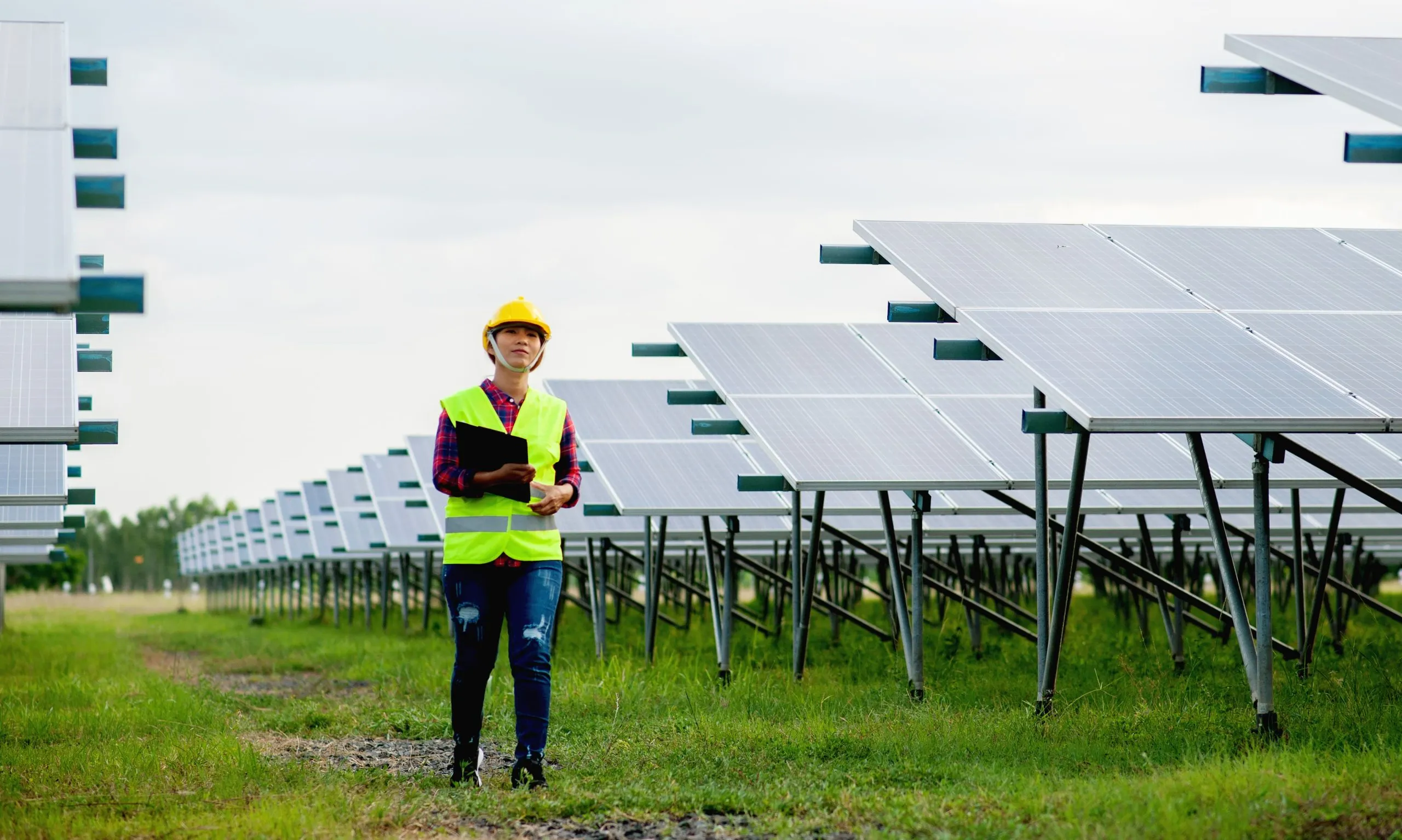
South Africa’s solar industry has moved well beyond being a backup solution for load shedding. Over the past few years, solar installations have become part of long-term energy planning for businesses, municipalities, and even residential communities. The country still relies heavily on coal-fired generation, yet persistent power cuts, rising electricity tariffs, and pressure from investors to reduce emissions have pushed renewable energy into the mainstream. By 2026, South Africa remains one of Africa’s most active solar markets, with EPC companies taking center stage in project development, procurement, and system integration. What makes this market particularly interesting is that demand is no longer coming from one segment alone. Mining firms, shopping malls, farms, logistics hubs, and homeowners are all entering the market for different reasons, creating a far more diverse project pipeline than many expected a few years ago.
What’s Driving the Solar EPC Market in South Africa?
Load Shedding Has Changed Business Priorities
For many companies in South Africa, solar adoption started as a defensive decision rather than an environmental one. Unreliable electricity supply disrupted manufacturing schedules, cold storage operations, and retail activity. In practice, businesses realized diesel generators were becoming too expensive to operate over long periods. Solar paired with battery storage offered a more stable alternative. Large industrial facilities, especially mining operations in Northern Cape and Limpopo, have increasingly commissioned captive solar plants to secure power availability and control energy costs over time.
Corporate Sustainability Targets Are Influencing Investments
Global companies operating in South Africa are under growing pressure from shareholders and export markets to reduce carbon emissions. This has had a noticeable impact on renewable procurement decisions. Retail chains, telecom tower operators, and data centers have started signing long-term power purchase agreements for solar electricity. Some multinational firms now consider renewable sourcing a requirement before expanding operations in the region. EPC contractors capable of handling both solar generation and storage integration are finding themselves in a favorable position, particularly in commercial and industrial projects where energy reliability matters as much as sustainability reporting.
Solar Equipment Has Become More Economically Viable
A few years ago, the economics of large-scale solar installations looked challenging for smaller businesses. That picture has shifted. Falling photovoltaic module prices and gradual improvements in battery technology have made installations more accessible across mid-sized enterprises and agricultural users. Farmers in regions facing irrigation-related energy expenses are increasingly exploring hybrid solar systems to reduce dependence on the national grid. Still, lower equipment prices come with trade-offs. Cheap imported components occasionally create maintenance concerns, and many buyers have become more cautious about long-term service reliability rather than simply choosing the lowest-cost supplier.
Government-Led Renewable Energy Initiatives
South Africa’s Renewable Energy Independent Power Producer Procurement Programme, commonly known as REIPPPP, continues to attract both local and foreign investment into utility-scale solar projects. Regulatory reforms have also relaxed licensing requirements for private power generation projects, making it easier for companies to build embedded generation capacity for their own consumption. On the ground, this policy shift has opened opportunities for EPC firms working on medium-sized commercial installations that previously faced lengthy approval processes. There is also growing political pressure to modernize transmission infrastructure, though grid expansion still moves slower than many developers would prefer.
Market Competition
The South Africa solar EPC market remains moderately fragmented, with a mix of domestic engineering firms and international renewable energy developers competing for projects. Key participants include JUWI Renewable Energies, SOLA Group, Scatec, and Enel Green Power. Competition has become more intense in the commercial and industrial segment where project turnaround time, financing support, and after-sales service often matter more than pricing alone. Some EPC contractors are also entering battery storage partnerships to differentiate themselves in an increasingly crowded market.
Grid Infrastructure Constraints
One of the biggest hurdles for the South African solar EPC sector is the condition of the national grid infrastructure. Several renewable-rich regions already face transmission bottlenecks, making it difficult for new utility-scale projects to secure grid connections. A common frustration among developers is that project approvals can move faster than actual grid readiness. Financing also remains uneven across the market. Large corporations can secure funding relatively easily, while smaller businesses and residential buyers still struggle with upfront installation costs and higher borrowing rates. Currency fluctuations add another layer of uncertainty since many solar components continue to be imported.
Future Outlook
South Africa’s solar EPC market is likely to remain one of the strongest renewable energy opportunities in Africa through 2035. Utility-scale solar parks will continue to expand, but much of the market momentum may come from decentralized installations tied to commercial facilities, industrial operations, and mixed-use developments. Battery storage adoption will probably accelerate faster than many earlier forecasts suggested, particularly as businesses seek independence from grid instability.
Consultants at Nexdigm, in their latest publication “South Africa Solar EPC Market Outlook to 2035,” analyzed the market by Project Type (Utility-Scale Solar, Commercial & Industrial Rooftop Solar, Residential Solar), By Service Type (Engineering, Procurement, Construction, Operations & Maintenance), and By End User (Industrial, Commercial, Residential, Government & Utilities). Nexdigm believes that companies focusing on integrated solar-plus-storage offerings, dependable maintenance support, and localized procurement partnerships are more likely to gain long-term traction as South Africa’s renewable power market matures.
To take the next step, simply visit our Request a Consultation page and share your requirements with us.
Harsh Mittal
+91-8422857704