
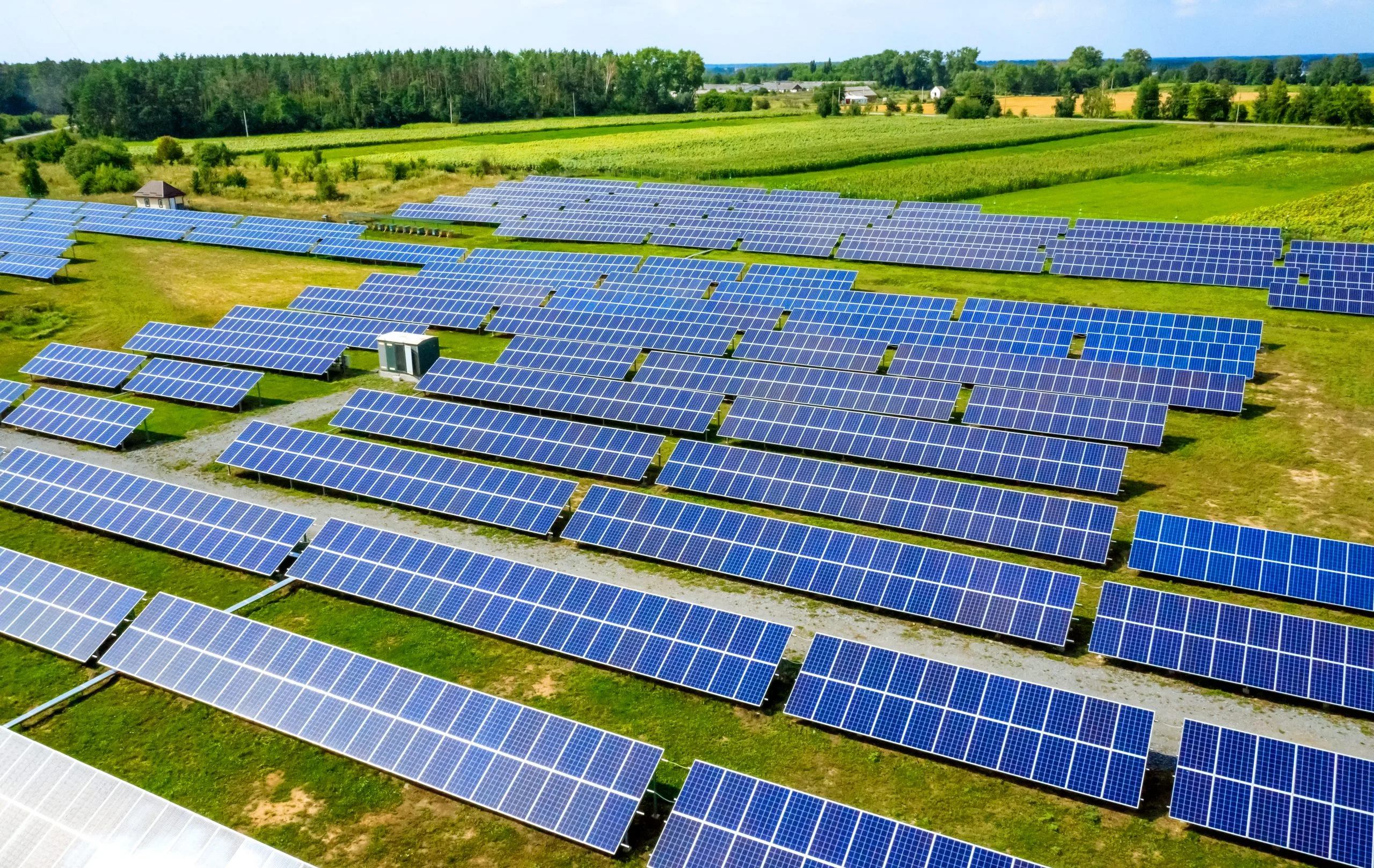
South Africa’s solar PV industry has moved far beyond being a niche renewable segment. What started as an alternative power source for a few large projects has now become a practical necessity for businesses, households, and industrial operators struggling with unreliable electricity supply. Years of load-shedding, rising utility tariffs, and pressure on the national grid have pushed consumers to rethink how electricity is generated and consumed. By 2025, solar installations had become a familiar sight across commercial buildings, mining operations, warehouses, and middle-income residential communities. At the same time, falling panel prices and better battery technology have made solar systems more financially realistic than they were just a few years ago. While coal still dominates South Africa’s power mix, solar is no longer viewed as a side solution. In many areas, it has become the backup plan people trust more than the grid itself.
What’s Driving the Solar PV Market in South Africa?
Load-Shedding Has Changed Consumer Behavior
Frequent blackouts have fundamentally altered how businesses operate in South Africa. Retail stores, hospitals, manufacturing units, and even small restaurants have had to invest in independent power systems simply to maintain day-to-day operations. Diesel generators were initially the preferred option, but fuel costs and maintenance expenses quickly became difficult to justify. Solar paired with battery storage now offers a more stable long-term alternative. In practice, many commercial users are installing rooftop systems not because they want to become environmentally conscious, but because downtime has become too expensive to tolerate.
Falling Equipment Costs Are Improving Adoption
A few years ago, solar installations remained out of reach for many mid-sized businesses and households. That gap has narrowed considerably. Imported panels from companies such as JinkoSolar and LONGi Green Energy have become cheaper, while battery technology has improved in efficiency and lifespan. Financing options have also become more flexible, with banks and energy providers offering installment-based solar packages. On the ground, installers often mention that customers now ask less about whether solar works and more about how quickly systems can be installed. That shift says a lot about how mainstream the market has become.
Commercial and Industrial Demand Keeps Expanding
Large electricity consumers are playing a major role in shaping the market. Mining companies, cold storage facilities, agricultural exporters, and logistics operators are actively pursuing captive solar projects to reduce reliance on Eskom’s supply. Some industrial users are even generating enough power to offset a meaningful share of daytime electricity usage. There is also a reputational angle attached to renewable adoption. Export-oriented businesses, particularly those supplying European markets, face growing pressure to lower carbon footprints across operations. Solar power helps companies address both energy reliability concerns and sustainability targets at the same time.
Government-Led Renewable Energy Initiatives
The South African government has gradually opened the market for private renewable participation, although the pace has not always satisfied investors. The Renewable Energy Independent Power Producer Procurement Programme (REIPPPP) continues to attract utility-scale solar investments from both local and international developers. More importantly, licensing reforms for embedded generation projects have reduced administrative hurdles for private installations. That policy shift has unlocked a wave of commercial solar activity over the last few years. There is still frustration around permitting delays and transmission capacity constraints, yet the broader direction of policy clearly favors renewable expansion over long-term coal dependency.
Market Competition and Industry Landscape
Competition in the South African solar PV market has become noticeably more intense. Global suppliers such as Canadian Solar and Huawei Technologies remain highly visible across large projects and inverter supply chains, but local EPC contractors are becoming equally important. Many smaller installers now compete aggressively on pricing, financing support, and after-sales service. A common challenge for buyers is sorting through varying installation standards. Some low-cost providers compromise on system quality, which has created concerns around long-term performance and maintenance reliability.
Grid Infrastructure Constraints and Policy Delays
One issue that continues to hold back the market is grid infrastructure. Renewable-rich regions often lack sufficient transmission capacity to connect new utility-scale projects efficiently. In some cases, approved projects face delays simply because the grid cannot absorb additional power generation. Policy uncertainty also affects investor confidence from time to time. Procurement schedules do not always move predictably, and imported equipment remains vulnerable to currency fluctuations. These bottlenecks may not stop market expansion, but they do slow momentum at a stage when faster deployment is urgently needed.
South Africa’s Solar and Battery Storage Pipeline Reaches Record Levels in 2026
South Africa’s renewable energy sector entered 2026 with one of its strongest project pipelines on record. According to recent industry updates, more than 5 GW of renewable projects could achieve financial closure during the year, supported by both public procurement programs and private commercial agreements. Battery storage is also gaining momentum alongside solar expansion, particularly as industrial users look for reliable power supply beyond daylight hours. Several large hybrid solar and storage projects have moved into construction phases, while commercial users continue signing long-term power purchase agreements to reduce dependence on Eskom and manage rising electricity costs.
Future Outlook
South Africa’s solar PV market is likely to look very different by 2035. Utility-scale projects will continue expanding, but the bigger transformation may happen in distributed generation across commercial rooftops, industrial facilities, and residential communities. Battery storage adoption should become far more common as consumers prioritize energy independence rather than temporary backup solutions. There is also growing discussion around local assembly of panels and components, though cost competitiveness remains a question. One thing is fairly clear – solar power is no longer viewed as an optional energy source in South Africa. It is steadily becoming part of the country’s economic infrastructure.
Consultants at Nexdigm, in their latest publication “South Africa Solar PV Market Outlook to 2035,” analyzed the market by Technology Type (Monocrystalline, Polycrystalline, Thin Film), By Deployment Mode (Utility-Scale, Commercial & Industrial Rooftop, Residential Rooftop), By End User (Residential, Commercial, Industrial, Utilities), and By Component (Solar Modules, Inverters, Battery Storage, Mounting Systems). Nexdigm believes that companies operating in this market should focus on reliable storage integration, strong after-sales service, and financing flexibility, particularly for commercial and industrial customers where demand remains strongest.
To take the next step, simply visit our Request a Consultation page and share your requirements with us.
Harsh Mittal
+91-8422857704