
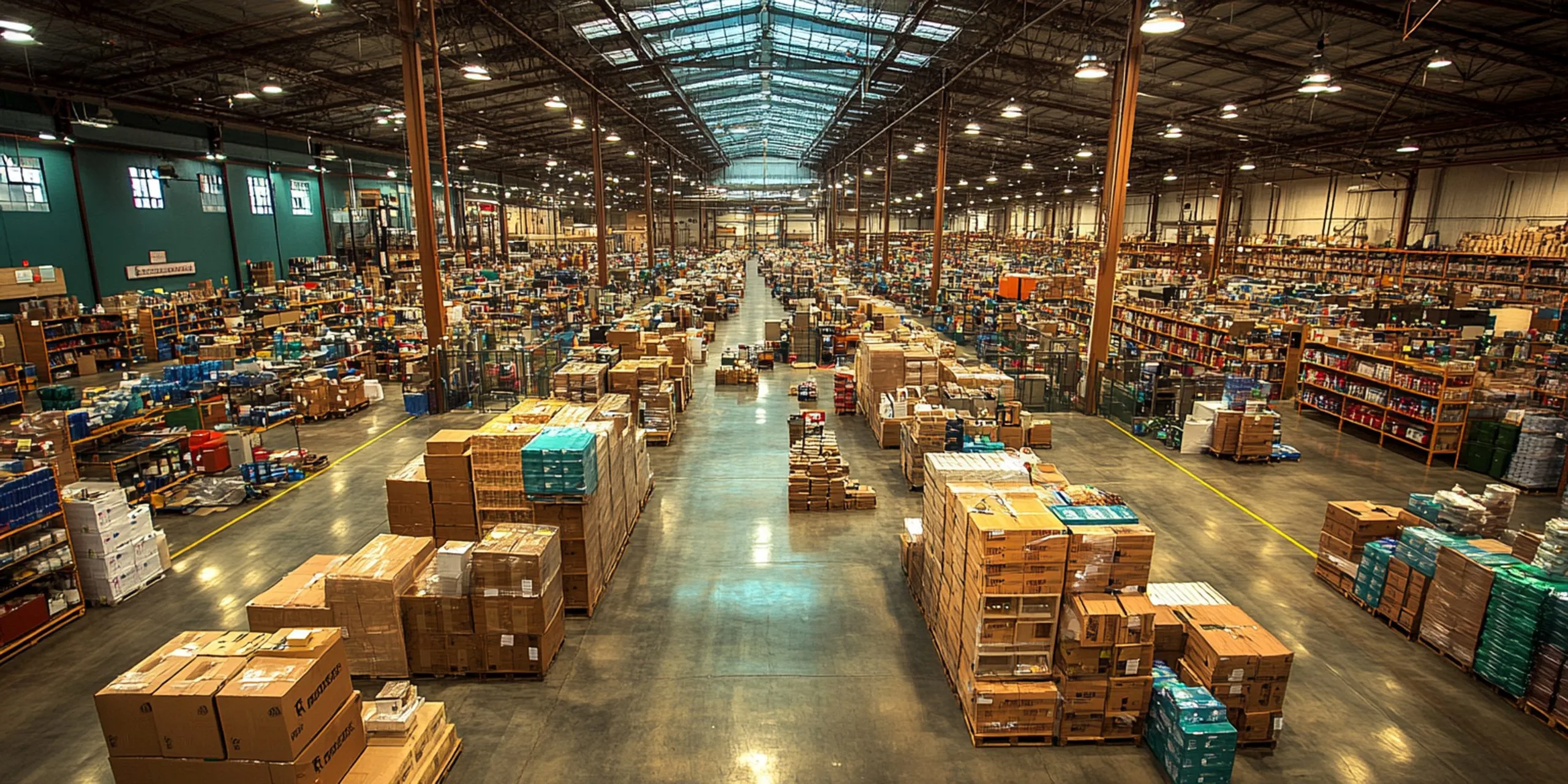
The South African warehousing market is positioned for sustained expansion through 2035. From an estimated revenue base of around USD 14.4 billion in 2024, the wider logistics and warehousing ecosystem is growing in response to rising trade flows, expanding domestic consumption, and rapid e‑commerce penetration. Modern storage requirements — especially for cold chain and automated facilities — are reshaping demand profiles across industry sectors. Strategic hubs such as Gauteng, Durban and Cape Town are consolidating their roles as distribution and export gateways, strengthening South Africa’s position in Southern African supply chains and regional logistics networks.
Key Drivers Fueling Growth in the South African Warehousing Market
E‑commerce and Retail Expansion
The accelerated rise of online retail in South Africa has been a major catalyst for warehousing demand. Urban consumers’ preference for faster deliveries is prompting retailers and third‑party logistics providers to expand fulfillment networks and invest in larger, better‑located warehouse space. Growth in digital retail is particularly notable in consumer goods, electronics and FMCG categories, driving demand for flexible warehousing solutions that support SKU diversification and rapid turnover.
Cold Storage and Specialized Logistics
Cold chain logistics is emerging as one of the fastest‑growing segments within the broader warehousing market. Demand for temperature‑controlled storage is rising on the back of expanding pharmaceutical distribution networks, increased domestic consumption of chilled/frozen foods, and export‑oriented agriculture (e.g., citrus and seafood). This segment’s expansion requires investment in specialized infrastructure such as refrigerated warehouses, advanced monitoring systems, and refrigerated transport.
Infrastructure and Trade Flows
South Africa’s strategic geographic position makes it a regional logistics hub for Southern African markets. Major infrastructure projects — including inland logistics gateways and upgrades to ports and transport corridors — are enhancing connectivity and reducing supply chain friction. Investment in multimodal transport and enhanced road and rail access is making warehousing assets more efficient and scalable for cross‑border distribution.
Government Initiatives and Strategic Support for the Warehousing Sector
Government initiatives aimed at modernizing logistics infrastructure are supporting the warehousing market’s growth. Policies that improve transport networks, reduce bottlenecks at ports, and facilitate customs clearance are key enablers for storage and distribution activity. Recent reforms allowing private participation in freight rail and planned infrastructure upgrades aim to alleviate longstanding inefficiencies in freight movement, indirectly bolstering warehousing utilization and investment appeal.
Competitive Landscape and Key Players in the South African Warehousing Market
The South African warehousing sector comprises a mix of regional and global logistics operators. Key participants include established firms such as Imperial Logistics, Bidvest International Logistics and DHL Supply Chain, alongside other providers with integrated storage and value‑added services. Competition is centred on geographic coverage, technology adoption, cold chain capabilities and fulfilment proficiency, with many players expanding to serve e‑commerce, retail and export‑oriented clients.
Key Challenges Facing the South African Warehousing Market
Infrastructure Constraints
Despite progress, infrastructure bottlenecks — particularly in rail efficiency and port throughput — can increase operating costs and delivery lead times for warehousing users. Upgrading aging transport assets remains a challenge.
Energy and Cost Pressures
High energy costs and limited availability of modern Grade A warehouse space in non‑metro regions constrain expansion, particularly for capital‑intensive segments such as cold chain and automated storage.
Future Outlook
Through 2035, the South African warehousing market is expected to continue its upward trajectory. Forecasts for the wider logistics and warehousing sector suggest a compound growth trend, driven by persistent e‑commerce penetration, regional trade integration and supply chain optimization. Increasing adoption of automation, digital warehouse management systems, and real‑time tracking solutions will improve operational efficiency and asset utilization. Cold chain infrastructure and specialized fulfilment facilities are poised to capture a growing share of demand, particularly in food, pharmaceutical and export logistics segments, reinforcing warehousing’s central role in South Africa’s distribution economy.
Consultants at Nexdigm, in their latest publication “South Africa Warehousing Market Outlook to 2035,” analyze the sector by System Type (General Storage Warehouses, Cold Storage Warehouses, Automated High Bay Warehouses, Distribution Fulfillment Centers), By Platform Type (E-commerce Fulfillment Platforms, Retail Distribution Platforms, Industrial Manufacturing Storage Platforms), and By Fitment Type (Built-to-Suit Warehousing Facilities, Shared Multi Client Warehousing, Dedicated Contract Warehousing). Nexdigm suggests that businesses should focus on enhancing cold chain logistics infrastructure and invest in modern technologies to improve efficiency and meet the growing demand for temperature-controlled storage solutions in sectors like pharmaceuticals and food distribution. Adopting automated systems, optimizing supply chains, and addressing infrastructure bottlenecks are essential steps for companies aiming to stay competitive in South Africa’s evolving warehousing market.
To take the next step, simply visit our Request a Consultation page and share your requirements with us.
Harsh Mittal
+91-8422857704