
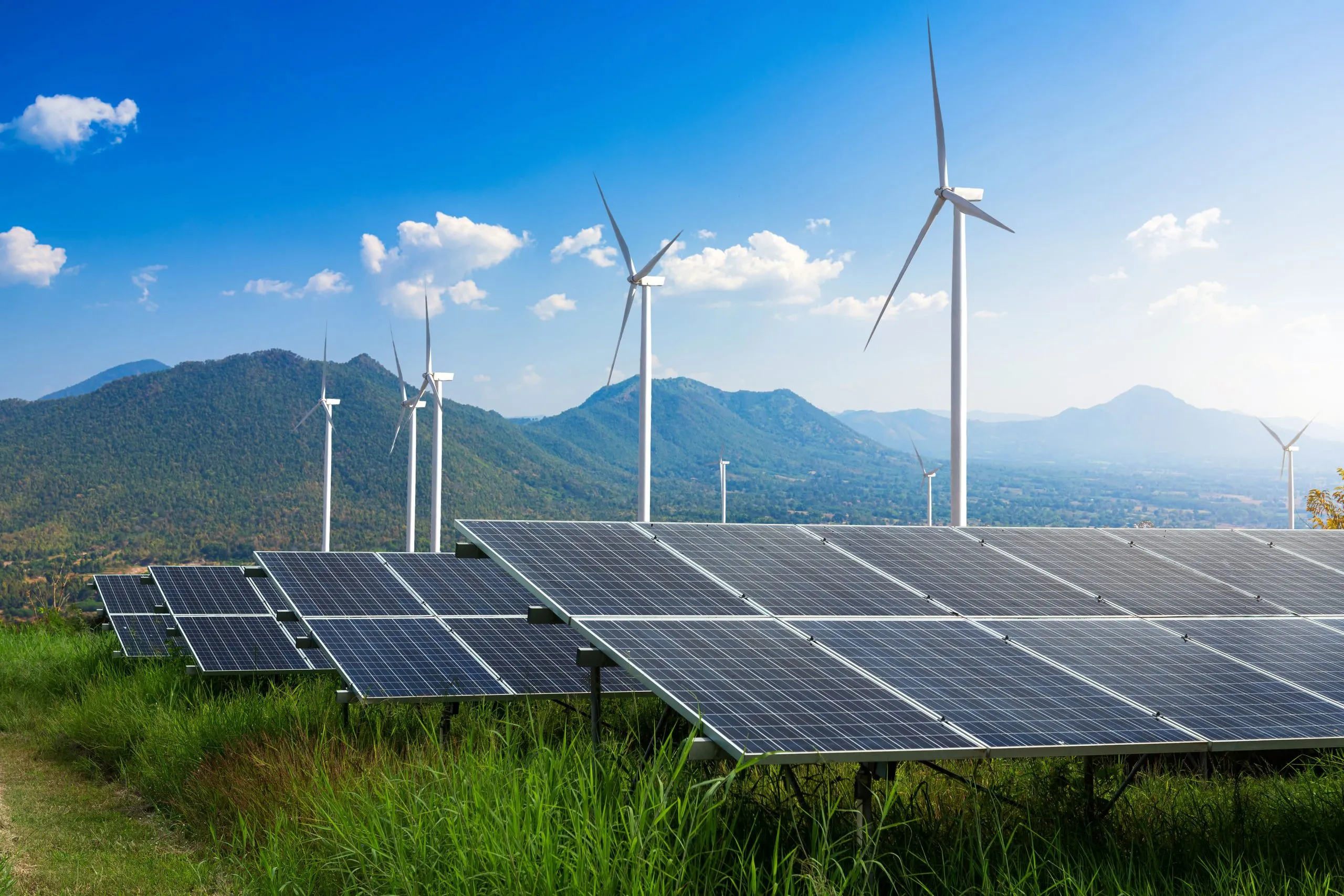
South Africa’s wind energy sector has moved well beyond the experimental stage. What began as a policy-backed alternative to coal is now becoming a practical necessity for the country’s power supply. Years of load-shedding, rising industrial electricity costs, and pressure to cut emissions have pushed both public and private players toward renewable energy at a faster pace than many expected a decade ago. By 2026, South Africa remains Africa’s largest wind energy market, with major projects concentrated across the Eastern Cape, Western Cape, and Northern Cape. At the same time, the transition has not been perfectly smooth. Wind projects still face grid bottlenecks, financing delays, and local infrastructure gaps. Yet despite these hurdles, investor confidence has held relatively firm because the demand for stable electricity in South Africa is no longer optional. It has become urgent.
What’s Driving the Wind Energy Market in South Africa?
Persistent Electricity Shortages Are Reshaping Energy Priorities
The country’s aging coal fleet continues to struggle with maintenance problems and operational inefficiencies. In practice, frequent blackouts have forced mining companies, manufacturers, and large commercial facilities to rethink how they source electricity. Wind power has emerged as one of the few scalable options capable of adding meaningful capacity within a reasonable timeframe. For many businesses, renewable procurement is no longer mainly about sustainability targets. It is about operational survival. A mining operator losing power for several hours can face serious production losses, so long-term renewable contracts are becoming more attractive than relying entirely on the national grid.
Strong Coastal Wind Corridors Support Large-Scale Projects
South Africa has a natural advantage that many emerging renewable markets lack – highly favorable wind conditions along its coastal provinces. Areas in the Eastern and Western Cape regularly record wind speeds suitable for utility-scale generation, allowing projects to achieve comparatively healthy capacity factors. Developers have taken notice. Over the last few years, several large onshore wind farms have been commissioned in these regions, supported by international investors and turbine suppliers. Improvements in turbine efficiency are also making lower-wind locations commercially viable, which could gradually expand project activity inland. That said, transmission infrastructure still lags behind development ambitions in certain provinces.
Private Sector Participation Has Accelerated
One of the more important shifts in the market has come from regulatory reform. The easing of licensing restrictions for private power generation opened the door for independent producers and corporate buyers to move faster on renewable projects. Large industrial firms are now signing direct power purchase agreements with renewable developers rather than waiting for state-led procurement rounds alone. Companies in sectors such as mining, chemicals, and heavy manufacturing have become some of the biggest supporters of new wind capacity. There is also a financial angle here. Renewable electricity can offer more predictable long-term pricing compared to conventional grid supply, especially during periods of energy instability.
Government-Led Renewable Energy Initiatives
The Renewable Energy Independent Power Producer Procurement Programme (REIPPPP) remains central to South Africa’s clean energy expansion. Since its launch, the program has attracted billions of dollars in private investment and helped establish a pipeline of utility-scale wind projects across the country. Government planning frameworks such as the Integrated Resource Plan continue to allocate a substantial share of future electricity capacity to renewables. Policymakers are also under growing pressure to modernize transmission infrastructure and accelerate grid connection approvals.
Market Competition
The South Africa wind energy market includes a mix of international turbine manufacturers, project developers, and infrastructure investors. Companies such as Vestas Wind Systems, Siemens Gamesa Renewable Energy, Nordex Group, and Mainstream Renewable Power remain active across project development and equipment supply. Competition is gradually shifting beyond pricing alone. Developers are paying closer attention to localized sourcing, long-term maintenance capability, and community engagement requirements tied to renewable projects. In some cases, delays linked to local permitting and grid access have become just as critical as turbine costs themselves.
Grid Infrastructure Remains a Major Challenge
A common challenge across the sector is the mismatch between strong wind resource areas and available transmission capacity. Many of the country’s best wind corridors sit far from major industrial demand centers, creating pressure on an already constrained grid network. This issue has become increasingly visible as more renewable projects enter development simultaneously. Some approved projects have faced delays not because of financing or technology concerns, but because grid connection capacity was unavailable. Unless transmission expansion keeps pace with renewable investment, South Africa could face a situation where generation capacity grows faster than the infrastructure needed to distribute it effectively.
South Africa Moves Toward Record Renewable Energy Deployment in 2026
South Africa is heading toward one of its strongest years for renewable energy development, with wind and battery storage projects gaining momentum across multiple provinces. Recent industry updates indicate that regulatory reforms and private-sector participation are accelerating project execution after years of electricity shortages and load-shedding challenges. The planned launch of the South African Wholesale Electricity Market (SAWEM) in 2026 is also drawing attention from renewable developers, particularly in the wind sector. Industry observers believe the new market structure could reduce dependence on state-led procurement and create more opportunities for corporate power purchase agreements and private renewable electricity trading.
Future Outlook
South Africa’s wind energy market is likely to expand steadily through 2035 as coal plants retire and energy diversification becomes unavoidable. Corporate renewable procurement, foreign investment, and continued policy support should keep project pipelines active over the next decade. Battery storage integration and hybrid renewable systems will also become more common, particularly for industrial users seeking stable power supply.
Consultants at Nexdigm, in their latest publication “South Africa Wind Energy Market Outlook to 2035,” analyzed the market by Capacity (Below 100 MW, 100-500 MW, Above 500 MW), By Application (Utility-Scale Power Generation, Commercial & Industrial Power Supply, Hybrid Renewable Projects), and By Region (Western Cape, Eastern Cape, Northern Cape, Rest of South Africa). Nexdigm believes businesses should focus on transmission-ready project development, localized partnerships, and long-term corporate PPAs as the market gradually matures over the next decade.
To take the next step, simply visit our Request a Consultation page and share your requirements with us.
Harsh Mittal
+91-8422857704