
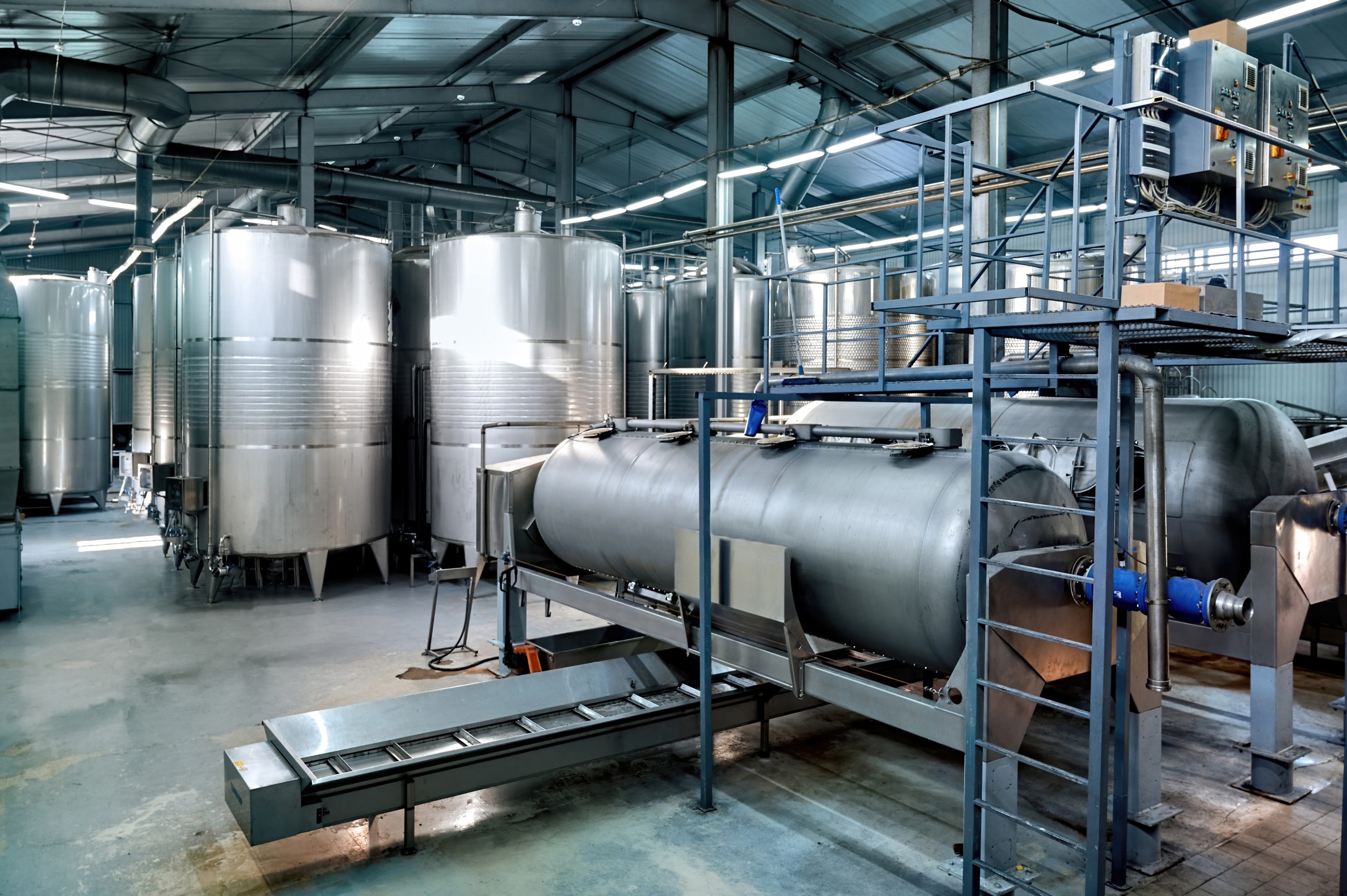
South Korea’s Air Separation Unit (ASU) industry plays a critical role behind the scenes of the country’s industrial success. ASUs produce industrial gases such as oxygen, nitrogen, and argon, which are essential for semiconductor fabrication, steelmaking, chemicals, healthcare, and emerging hydrogen applications. As South Korea continues investing heavily in advanced manufacturing and clean-energy technologies, demand for high-purity industrial gases is rising steadily. The country’s manufacturing sector remains a global powerhouse, with manufacturing exports reaching approximately USD 650 billion and semiconductors accounting for a significant share of industrial activity. These trends are creating favorable conditions for ASU operators, technology providers, and industrial gas suppliers.
Market Drivers Advancing the South Korea’s Air Separation Unit Industry
Semiconductor Manufacturing Creating Strong Demand for High-Purity Gases
South Korea remains one of the world’s most important semiconductor production hubs. The country holds around 66% of the global DRAM market and produces nearly 45% of the world’s semiconductor wafers. Semiconductor fabrication plants require ultra-high-purity nitrogen for wafer processing and oxygen for various manufacturing operations. Major investments by leading chipmakers such as Samsung Electronics and SK Hynix continue to stimulate demand for industrial gases. Semiconductor exports have represented a substantial portion of national exports, highlighting the sector’s importance to the economy and its influence on ASU installations. As more advanced fabrication facilities and AI-chip production lines come online, industrial gas consumption is expected to expand further.
Strong Steel and Chemical Industries Supporting Oxygen Demand
South Korea’s steel and petrochemical sectors remain among the largest consumers of industrial gases. Oxygen produced through air separation units is widely used in steelmaking to improve furnace efficiency and productivity. The country ranks among the world’s leading steel-producing nations and maintains a large domestic chemicals industry. Industrial development, infrastructure investments, and exports continue to support steady demand for oxygen and nitrogen across these sectors. For ASU operators, these industries provide a stable customer base alongside the rapidly growing semiconductor segment.
Energy Transition and Hydrogen Economy Initiatives
South Korea is actively pursuing a hydrogen-based economy, creating new opportunities for industrial gas suppliers. Hydrogen production, storage, transportation, and utilization projects often require substantial quantities of oxygen and nitrogen generated through air separation technologies. Industrial hydrogen demand in South Korea has already reached hundreds of thousands of tonnes annually, reflecting the growing importance of clean-energy infrastructure. As hydrogen ecosystems mature, ASUs are expected to become increasingly integrated with energy and sustainability initiatives.
Government Initiatives Supporting the South Korea Air Separation Unit Industry
The South Korean government continues to support advanced manufacturing, semiconductors, clean energy, and industrial innovation through funding programs, tax incentives, and long-term industrial strategies. Significant support has been allocated to semiconductor development and related supply chains, while hydrogen roadmaps encourage investments in supporting infrastructure. These initiatives indirectly benefit the ASU industry by expanding the sectors that rely heavily on industrial gases.
Competitive Landscape of South Korea Air Separation Unit Industry
The South Korean ASU market is characterized by the presence of global industrial gas leaders and regional suppliers. Companies such as Linde, Air Liquide, Air Products, Messer, and local industrial gas firms actively serve semiconductor, steel, petrochemical, and healthcare customers. Competition increasingly focuses on energy-efficient air separation technologies, long-term supply contracts, plant reliability, and the ability to provide ultra-high-purity gases for advanced manufacturing applications.
Challenges Facing the South Korea Air Separation Unit Industry
High Energy Consumption and Operating Costs
Air separation is an energy-intensive process. Rising electricity costs and increasing sustainability requirements can impact operating margins and project viability. Companies must continuously improve efficiency to remain competitive.
Dependence on Industrial Cycles
Demand for industrial gases is closely linked to manufacturing activity. Any slowdown in semiconductor, steel, or chemical production can temporarily reduce gas consumption, affecting utilization rates for ASU facilities.
Future Outlook
The outlook for South Korea’s Air Separation Unit market remains positive as the nation strengthens its position in semiconductors, advanced manufacturing, hydrogen technologies, and industrial exports. Growing investments in AI-driven semiconductor facilities, hydrogen infrastructure, and next-generation industrial projects are expected to create sustained demand for oxygen, nitrogen, and argon. With continued government support, technological innovation, and industrial expansion, ASU providers are well positioned to play a vital role in supporting South Korea’s evolving industrial ecosystem. As industries seek greater efficiency and sustainability, modern air separation technologies will become increasingly important to the country’s long-term growth story.
Consultants at Nexdigm, in their latest publication “South Korea Air Separation Unit Market Outlook to 2035“ analyze the sector By ASU Technology (Molecular Sieve Purification, Fractional Distillation Trays and Helium Recovery Systems), By Ownership Model (Merchant Gas Supplier Owned and Captive User Industrial Facility Owned) and Component Configuration (Compression Treain Systems and Purification and Filtration Arrays).
Nexdigm suggests that businesses in “South Korea Air Separation Unit Industry” focusses on oilfield, desalination, construction, and industrial applications, strengthen local warehousing, develop application-specific grades, improve technical support, and build resilient sourcing networks to serve expanding energy, water, and manufacturing demand.
To take the next step, simply visit our Request a Consultation page and share your requirements with us.
Harsh Mittal
+91-8422857704