
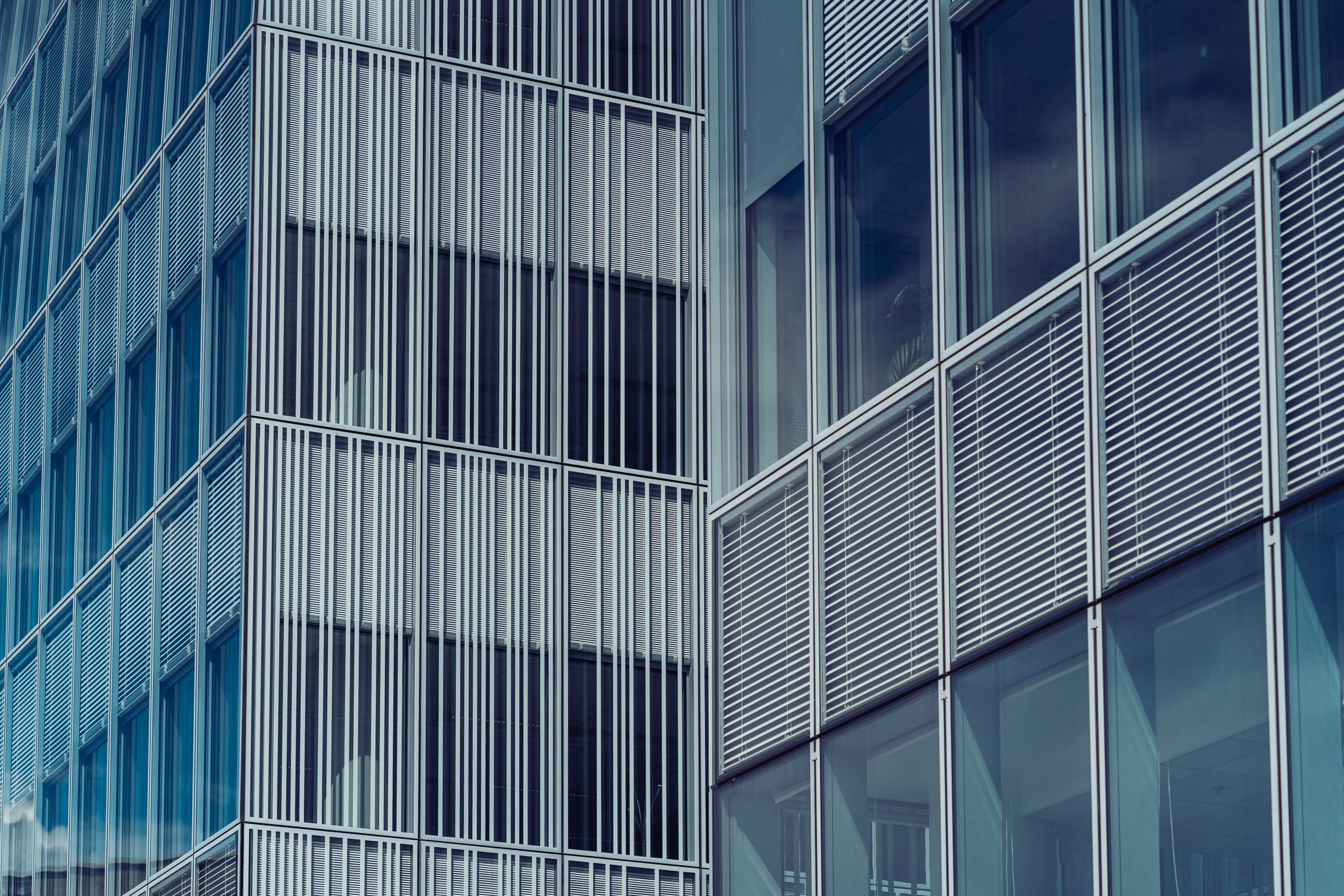
The South Korea aluminum composite panels (ACP) market is experiencing steady growth, supported by rapid urban redevelopment, advanced industrial expansion, and increasing demand for energy-efficient building materials. Valued at approximately USD 1.42 billion in 2025, the market is projected to reach USD 2.41 billion by 2035, expanding at a CAGR of 5.4%. ACPs are widely used in commercial facades, transportation infrastructure, and industrial facilities due to their durability, lightweight properties, and design flexibility. Growing emphasis on fire safety, sustainability, and modern architectural aesthetics continues to strengthen market demand across South Korea’s construction sector.
Market Drivers Advancing the South Korea Aluminum Composite Panels Growth
Urban Redevelopment and Infrastructure Expansion
Large-scale redevelopment projects across major cities such as Incheon and Seoul are creating significant demand for aluminum composite panels. High-rise commercial buildings, mixed-use developments, and public infrastructure projects increasingly require modern cladding solutions that combine aesthetics with performance. ACPs offer excellent weather resistance and design versatility, making them a preferred choice for contemporary construction projects.
Rising Demand for Energy-Efficient Building Materials
South Korea’s construction industry is increasingly adopting energy-efficient facade systems to improve building performance and reduce energy consumption. Aluminum composite panels contribute to thermal insulation and help enhance building efficiency. As green building practices gain momentum, developers are incorporating ACP-based facade systems to meet sustainability objectives and improve long-term operational savings.
Growth of High-Tech Industrial Facilities
Expansion of technology-driven industrial hubs such as Pyeongtaek is boosting demand for advanced construction materials. The growing number of data centers, semiconductor facilities, research laboratories, and industrial complexes requires durable, fire-resistant, and low-maintenance cladding solutions. The integration of fluorocarbon coating technologies further improves panel lifespan and corrosion resistance, making ACPs suitable for South Korea’s coastal and industrial environments.
Government Initiatives Supporting South Korea Aluminum Composite Panels Industry
The South Korean government continues to strengthen construction quality and safety standards through regulatory oversight and sustainable development initiatives. Organizations such as the Korea Institute of Civil Engineering and Building Technology promote advanced building materials and construction technologies. In addition, stricter fire-resistance requirements under the Building Act are encouraging the adoption of non-combustible and mineral-core aluminum composite panels, supporting safer urban development and modernization projects throughout the country.
Competitive Landscape of South Korea Aluminum Composite Panels Sector
The South Korean aluminum composite panels market features a mix of international and domestic participants. Prominent companies include Mitsubishi Chemical Infratec’s ALPOLIC brand, alongside local manufacturers such as Alumax. Market participants compete through product innovation, enhanced fire-resistant technologies, sustainable manufacturing processes, and expanded distribution networks. Strategic partnerships with construction firms and infrastructure developers also play an important role in strengthening market presence and project acquisition.
Challenges Impacting South Korea Aluminum Composite Panels Industry
Stringent Fire Safety Compliance
Manufacturers face increasing pressure to comply with evolving fire safety regulations. The transition toward non-combustible and mineral-core ACP products requires additional investments in research, production technologies, and certification processes, increasing operational costs.
Raw Material Price Volatility
Fluctuations in aluminum and coating material prices can affect production costs and profit margins. Supply chain disruptions and global commodity market uncertainties may further challenge pricing strategies and project planning for manufacturers and contractors.
Future Outlook
The future of the South Korea’s aluminum composite panels market remains highly positive, supported by sustained urban redevelopment, industrial modernization, and growing sustainability requirements. Demand for energy-efficient, fire-resistant, and environmentally responsible construction materials is expected to increase steadily over the coming decade. Continued investments in commercial infrastructure, smart cities, logistics facilities, and technology parks will create new opportunities for ACP manufacturers. As innovation in coatings, insulation performance, and recyclable materials advances, aluminum composite panels are expected to play an increasingly important role in shaping South Korea’s future construction landscape.
Consultants at Nexdigm, in their latest publication “South Korea Aluminum Composite Panels Market Outlook to 2035 ,” analyze the sector By (Definition of ACP Technical Standards, KS Standard Compliance Mapping, Top-down Construction Value Analysis, Bottom-up Plant Capacity Survey, Building Permit Data Extraction,).
Nexdigm suggests that businesses in the South Korea Aluminum Composite Panels Industry focus on developing fire-resistant, energy-efficient, and sustainable panel solutions while aligning with stringent building regulations and urban redevelopment projects to capitalize on growing demand from commercial, industrial, and infrastructure construction sectors.
To take the next step, simply visit our Request a Consultation page and share your requirements with us.
Harsh Mittal
+91-8422857704