
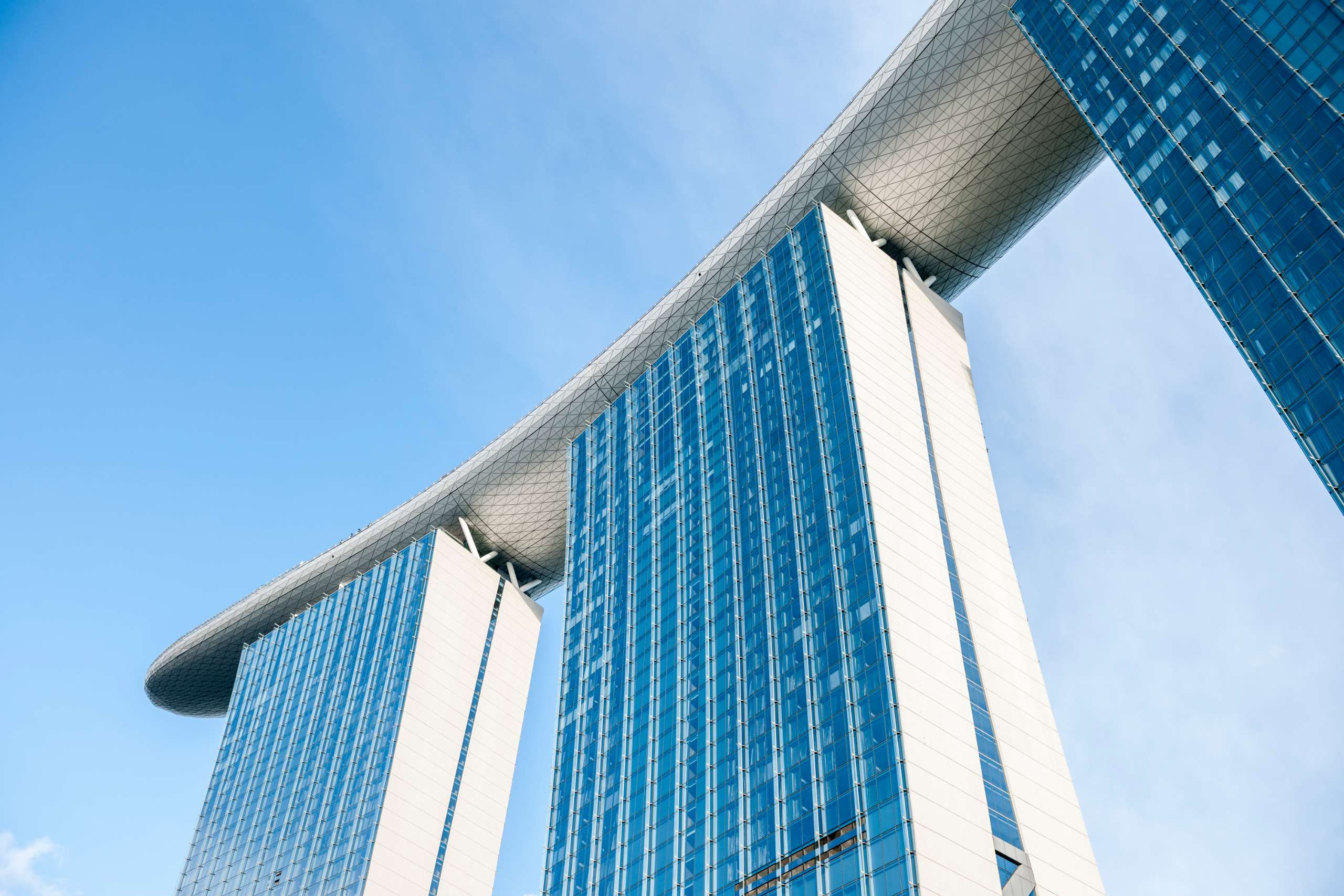
South Korea’s architectural and construction glass market is gaining momentum as investments in commercial real estate, smart-city projects, transportation infrastructure, and advanced industrial facilities continue to expand. Architectural glass has become an integral component in modern buildings, supporting energy efficiency, sustainability, aesthetic appeal, and occupant comfort. The country’s construction industry is estimated to reach approximately KRW 119.2 trillion in 2024, while non-residential construction activity is forecast to grow by 11.5%, driven by office developments, technology facilities, and mixed-use projects. Additionally, total construction activity is expected to increase by 8.8% in 2024, creating significant demand for high-performance glazing, insulated glass units, and advanced façade systems across the built environment.
Key Market Drivers for South Korea’s Architectural and Construction Glass Industry
Smart City Development and Urban Redevelopment Boost Architectural Glass Demand
South Korea continues to invest heavily in smart cities and urban renewal projects, creating significant demand for advanced façade solutions and energy-efficient glazing systems. Major redevelopment projects in Seoul, Busan, Incheon, and other metropolitan areas increasingly feature curtain wall systems, insulated glass units, and high-performance façades. The country’s construction activity is forecast to expand by approximately 8.8% in 2024, reflecting strong momentum in civil engineering, commercial construction, and public infrastructure projects.
Growth in Commercial and Non-Residential Construction Supports Market Expansion
Demand for construction glass is being fueled by the expansion of commercial buildings, technology facilities, logistics centers, and mixed-use developments. Non-residential construction activity is expected to increase by approximately 11.5% in 2024, supported by recovering business investment and increased development activity. Developers are increasingly incorporating Low-E glass, solar-control glazing, and smart façade systems to improve building performance and meet modern sustainability requirements.
Technology and Semiconductor Investments Create New Opportunities
South Korea’s position as a global technology and semiconductor hub is creating substantial demand for advanced construction materials. The government announced a support package of approximately KRW 26 trillion (USD 19.8 billion) to strengthen the semiconductor industry, driving investments in manufacturing facilities, research centers, and supporting infrastructure. These large-scale projects require high-performance architectural glass products that offer durability, energy efficiency, and enhanced environmental performance.
Government Support Through Smart City Development, Infrastructure Expansion, and Industrial Investment
South Korea’s architectural and construction glass market continues to benefit from strong government-backed investments in infrastructure modernization, smart-city development, renewable energy, and high-tech manufacturing. The government announced a KRW 26 trillion (USD 19.8 billion) support package to strengthen strategic industries, particularly semiconductors, which is driving demand for advanced commercial and industrial facilities. Additionally, South Korea’s construction industry is estimated to reach KRW 119.2 trillion in 2024, while civil engineering activity is forecast to surge by 21.4%, supported by railway, airport, port, and energy infrastructure projects. These investments are creating sustained demand for energy-efficient façade systems and high-performance architectural glass solutions.
Competitive Landscape Driven by Smart Building Technologies, Sustainability, and Advanced Glazing Solutions
South Korea’s architectural and construction glass market is characterized by intense competition among domestic fabricators, specialized processors, and advanced glazing solution providers serving commercial, residential, and infrastructure projects. Supported by a construction market valued at approximately KRW 119.2 trillion in 2024, alongside 11.5% growth in non-residential construction activity, market participants are increasingly focusing on Low-E glass, smart glazing technologies, solar-control façades, and energy-efficient insulated glass units. As smart-city developments and sustainable building projects accelerate, competitive differentiation is increasingly based on product innovation, customization capabilities, and advanced processing expertise.
Market Challenges Facing South Korea’s Architectural and Construction Glass Industry
Rising Construction Costs and Financial Pressures
The construction sector continues to face challenges related to inflation, financing costs, and project profitability. Industry pressures have contributed to a rise in construction company bankruptcies, with 21 construction firms declaring bankruptcy in 2023, representing a 50% increase compared to the previous year. These conditions can affect project timelines and procurement activity for construction materials.
Stringent Sustainability and Performance Requirements
Developers increasingly demand glazing systems that provide enhanced thermal insulation, energy efficiency, safety performance, and environmental compliance. Meeting these evolving requirements requires continuous investment in research, advanced coatings, smart glazing technologies, and manufacturing upgrades, increasing competitive pressure across the value chain.
Future Outlook
South Korea’s architectural and construction glass market is expected to benefit from continued smart-city development, commercial construction activity, renewable-energy investments, and urban redevelopment projects. The construction industry is projected to grow at a 4.4% CAGR between 2024 and 2028, with total construction output expected to reach approximately KRW 135.7 trillion by 2028. Demand is likely to shift toward smart glass, Low-E glazing, solar-control façades, and energy-efficient building envelopes that support sustainability objectives. Companies emphasizing innovation, digital building technologies, and high-performance glazing solutions will be well-positioned to capitalize on future growth opportunities.
Consultants at Nexdigm, in their latest publication “South Korea Architectural and Construction Glass Market Outlook to 2035,” analyse the sector By Architectural Glass Technology (PVB Interlayer Glass, SGP lonoplast Interlayer and Bullet Resistant Glass), By Building Application (Commercial Office Infrastructure and High-Rise Residential Complexes) and By Distribution Channel (Direct-to-Contractor Sales, OEM Fabricated Networks and Specialized Architectural Wholesalers).
Nexdigm suggests that businesses in South Korea’s Architectural and Construction Glass Industry focus on smart glazing technologies, sustainable façade solutions, and advanced processing capabilities to capitalize on smart-city and commercial development opportunities.
To take the next step, simply visit our Request a Consultation page and share your requirements with us.
Harsh Mittal
+91-8422857704