
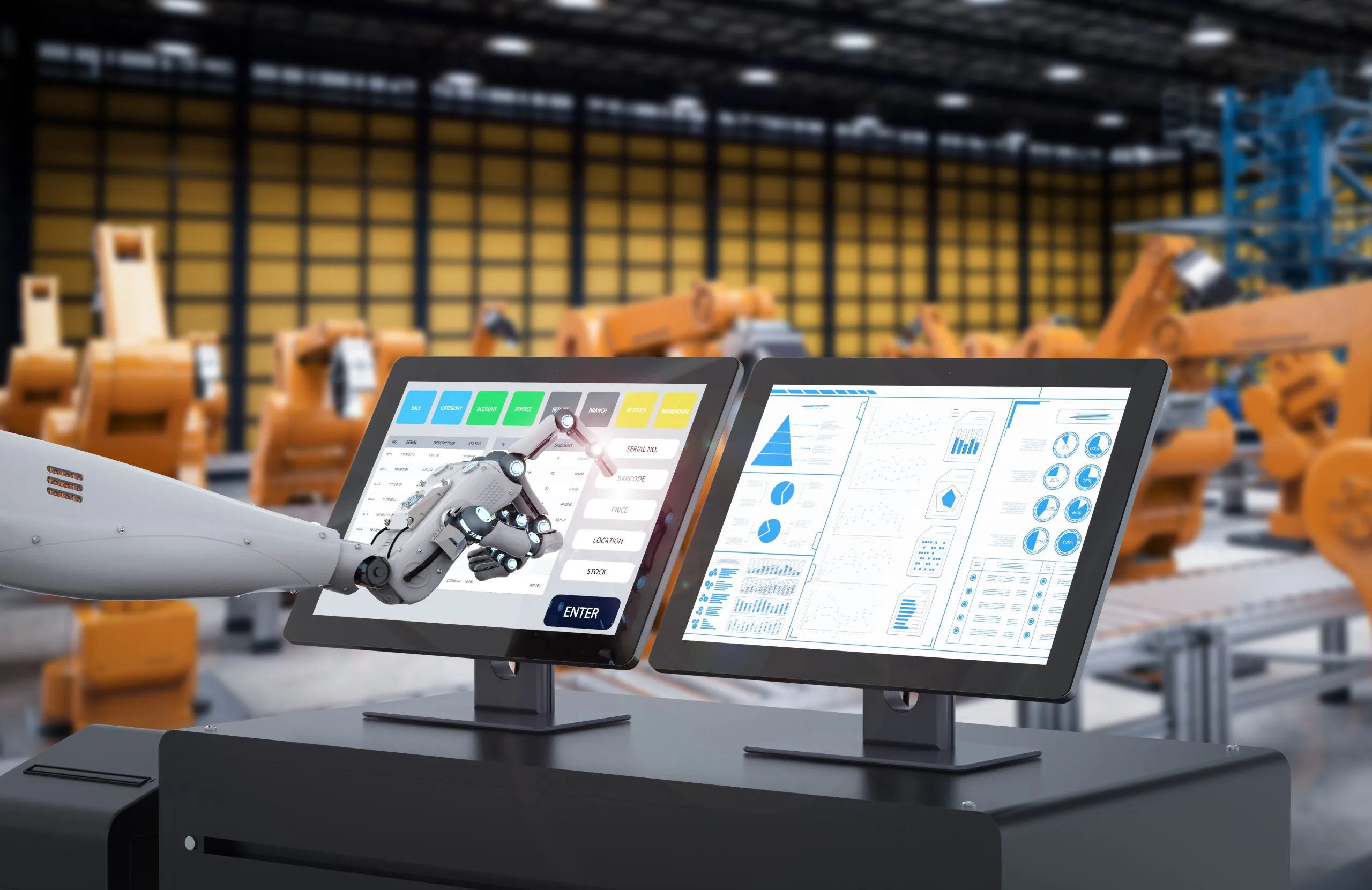
South Korea’s industrial automation market is set for remarkable growth, spurred by rapid technological advancements and the increasing demand for efficiency across various manufacturing sectors. Last year, the industrial automation and control systems market in South Korea reached around USD 9–10 billion, and it’s expected to expand at a significant pace in the coming years. As the nation embraces Industry 4.0 principles, cutting-edge technologies like robotics, AI, and IoT are transforming the manufacturing landscape. These innovations are being propelled by the country’s strong economic growth, export-driven industries, and government-backed initiatives that ensure South Korea remains a leader in the automation space.
Why is South Korea’s Industrial Automation Market Booming?
Tech Integration Driving Efficiency
A major factor fueling the growth of industrial automation in South Korea is the widespread integration of advanced technologies like robotics, artificial intelligence (AI), and the Internet of Things (IoT). These technologies enable manufacturers to create “smart factories” with real-time data monitoring, predictive analytics, and automated decision-making. The semiconductor, automotive, and electronics industries are particularly invested in these solutions, as they strive to remain competitive by increasing output and reducing operational costs.
Skilled Workforce and Manufacturing Excellence
South Korea boasts a highly skilled workforce, which is essential for adopting and maintaining complex automation systems. With its high robot density, South Korea ranks as one of the leading countries globally in terms of industrial robot usage per worker. This prevalence of automation in local factories fosters a culture of innovation and makes it easier to expand automation further, especially in industries like electronics and automotive, where precision and efficiency are critical.
Export-Oriented Economy Fuels Automation Investment
The country’s export-driven economy, particularly in electronics and automotive manufacturing, is another strong driver for industrial automation adoption. The demand for South Korean-made products like semiconductors and cars encourages companies to invest in automation technologies to increase production efficiency. As global competition intensifies, manufacturers in South Korea are seeking ways to automate more processes to maintain their global market share.
Government’s Role in Boosting Automation Industry in South Korea
The South Korean government plays a crucial role in driving the industrial automation market. Through various programs and incentives, such as grants, tax benefits, and R&D funding, the government supports manufacturers in adopting smart technologies. Key initiatives focus on advancing the integration of AI, robotics, and automation systems in industries like manufacturing and logistics. By fostering public-private partnerships, the government ensures that automation technologies are not only adopted but are also integrated with global standards, enhancing competitiveness.
Overview of the Competitive Landscape of South Korea’s Automation Industry
The South Korean industrial automation market is competitive, with both local and international players making strides in robotics, AI, and industrial control systems. Local conglomerates like Samsung and Hyundai are investing heavily in automation solutions, while global giants like ABB, Siemens, and Fanuc also provide specialized systems and equipment. Many companies rely on strategic partnerships and joint ventures to introduce new technologies and remain competitive in an evolving market. The ability to offer integrated automation solutions and advanced robotics is often the key differentiator in this sector.
Challenges Facing the Industrial Automation Market of South Korea
Cost of Implementation and Integration Hurdles
One of the significant challenges in the market is the high upfront cost of implementing industrial automation solutions, especially for small and medium-sized enterprises (SMEs). While the long-term benefits of automation are clear, the initial investment required for advanced robots, control systems, and IoT infrastructure can be a barrier. Additionally, integrating these technologies into existing systems can be complex, requiring specialized expertise and resources.
Workforce Adjustment and Training Needs
As automation expands, companies face the challenge of reskilling their workforce. While automation helps streamline operations, it also necessitates a shift in employee skill sets. The need for training programs to upskill workers in managing and maintaining automation systems is becoming increasingly important. There are also concerns about job displacement in sectors where robots and AI systems are increasingly taking over manual tasks.
Future Outlook
The future of South Korea’s industrial automation market looks promising, with projections suggesting steady growth, in the upcoming years. With continuous advancements in robotics, AI, and edge computing, automation will become even more integrated across industries beyond manufacturing, including logistics, energy, and healthcare. By leveraging smart factory models, companies will boost productivity while reducing costs and enhancing supply chain resilience. Government initiatives, along with private-sector investments in R&D, will continue to drive innovation, helping South Korea maintain its competitive edge in the global marketplace. As we look ahead, South Korea is poised to remain a leader in the industrial automation revolution.
Consultants at Nexdigm, in their latest publication South Korea Industrial Automation Market Outlook to 2035, analyze the sector by System Type (Industrial Robotics, Control Systems, Censor System, Process Automation Systems), by Fitment Type (On premise Solutions, Cloud based Solutions, Modular Solutions).
Nexdigm suggests that businesses in South Korea’s industrial automation sector should focus on evaluating the long-term return on investment (ROI) before committing to expensive technologies like robotics, AI, and IoT. Phased implementation and leveraging government incentives or financial support can help offset initial costs and ease integration challenges.
To take the next step, simply visit our Request a Consultation page and share your requirements with us.
Harsh Mittal
+91-8422857704