
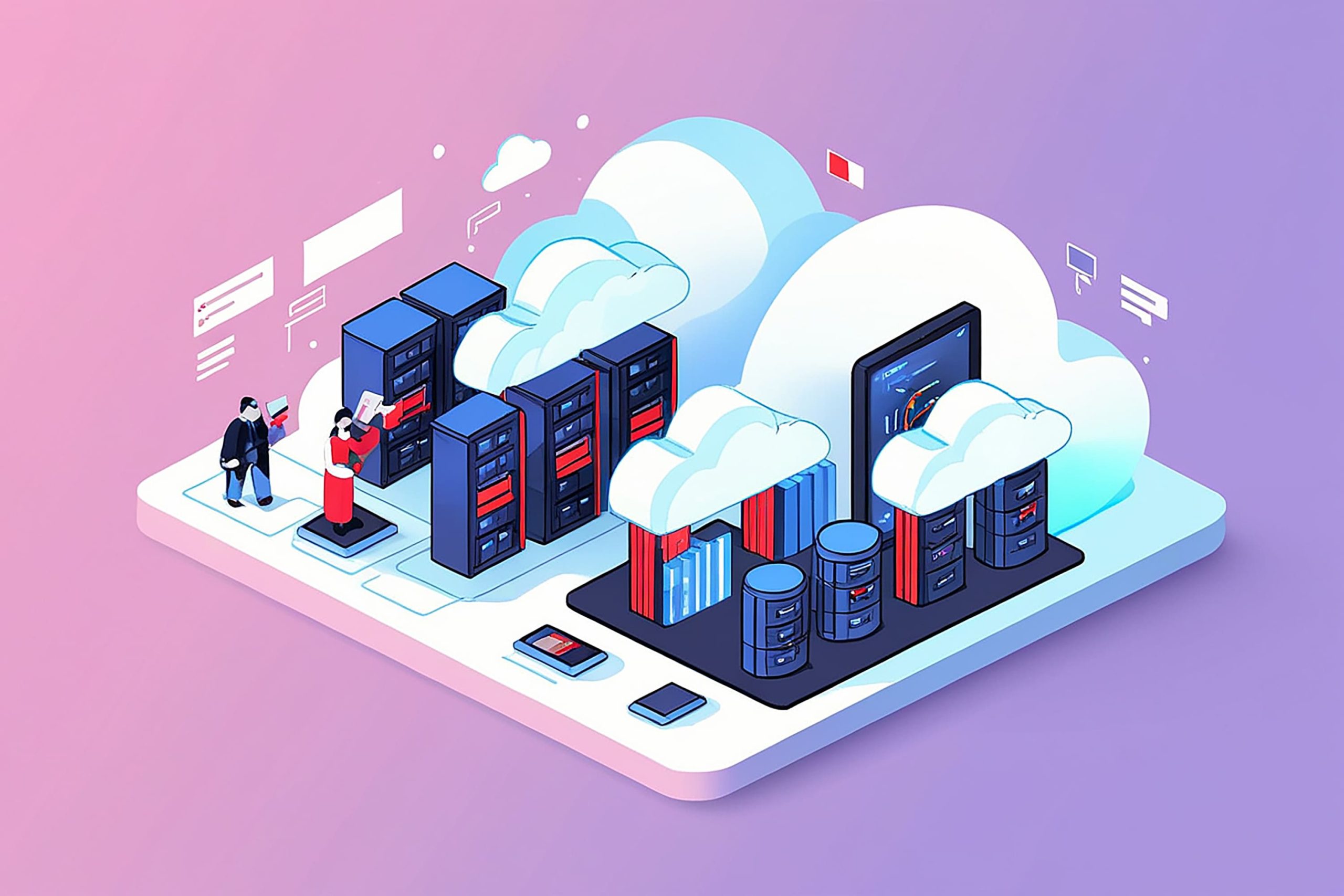
South Korea’s cloud infrastructure market is witnessing rapid expansion as the country accelerates its digital transformation across industries. With one of the world’s highest internet penetration rates and advanced 5G infrastructure, South Korea is emerging as a major hub for cloud adoption in Asia. As of 2026, enterprises across sectors such as finance, healthcare, e-commerce, and manufacturing are increasingly migrating workloads to cloud platforms to enhance operational efficiency and scalability. Government initiatives supporting digital innovation and smart infrastructure development are further driving demand for secure and high-performance cloud solutions. South Korea is not only strengthening its domestic cloud ecosystem but is also positioning itself as a strategic regional data and cloud services hub.
What’s Driving the Cloud Infrastructure Market in South Korea?
Rapid Digital Transformation Across Enterprises
South Korean enterprises are accelerating the adoption of cloud infrastructure to support digital services, big data analytics, and AI-driven applications. Companies across sectors including fintech, gaming, retail, and media are transitioning from traditional on-premise IT systems to cloud environments. Cloud platforms enable businesses to scale computing resources efficiently, reduce infrastructure costs, and improve operational flexibility. The country’s strong digital ecosystem, combined with widespread high-speed connectivity, makes cloud adoption a natural progression for organizations seeking competitive advantage.
Expansion of Data-Intensive Industries
South Korea’s globally competitive gaming industry, growing e-commerce ecosystem, and expanding digital content market are generating enormous volumes of data. These industries require high-performance computing, low-latency networks, and scalable storage infrastructure. Cloud infrastructure enables companies to manage fluctuating workloads, support real-time analytics, and deliver seamless user experiences. The rapid adoption of AI, machine learning, and Internet of Things (IoT) applications is also increasing demand for advanced cloud computing capabilities across sectors such as manufacturing and logistics.
Growth of Hyperscale Data Centers
The development of hyperscale data centers is a key driver of the cloud infrastructure market in South Korea. Major global and domestic cloud providers are investing heavily in building large-scale data centers to support rising demand for cloud services. Strategic locations around Seoul and other technology clusters are becoming major data infrastructure hubs. These facilities provide the computing power and storage capacity required for high-volume enterprise workloads, streaming services, and emerging technologies such as generative AI and autonomous systems.
Government-Led Initiatives
The South Korean government has introduced multiple initiatives to accelerate cloud adoption and digital infrastructure development. Policies under the “Digital New Deal” program focus on expanding cloud-based public services, modernizing government IT infrastructure, and supporting AI-driven innovation. Public institutions are increasingly required to adopt cloud solutions under government cloud-first policies, encouraging both domestic and global cloud service providers to expand their presence in the country. Additionally, the government is investing in smart cities, digital healthcare systems, and advanced manufacturing platforms, all of which rely heavily on cloud infrastructure. Regulatory frameworks supporting data security, privacy, and cloud certification standards are also helping build trust in cloud services across both public and private sectors.
Market Competition
The South Korea cloud infrastructure market is moderately concentrated with a mix of global hyperscale providers and strong domestic players. Major international companies such as Amazon Web Services (AWS), Microsoft Azure, and Google Cloud maintain a strong presence in the market through large-scale data center investments and partnerships with local enterprises. Domestic technology companies including Naver Cloud and KT Cloud are also expanding their cloud capabilities and competing aggressively in the enterprise and government segments. Naver Cloud, backed by South Korea’s largest internet company, offers localized cloud services optimized for Korean businesses and regulatory requirements. Meanwhile, KT Cloud leverages its telecommunications infrastructure and data center network to provide integrated cloud and connectivity services. Strategic collaborations between cloud providers, telecom operators, and enterprise customers are shaping a dynamic competitive landscape.
Data Security and Regulatory Challenges
Despite strong growth prospects, the South Korea cloud infrastructure market faces certain regulatory and operational challenges. Strict data protection regulations and requirements related to data localization can complicate cloud deployment for multinational organizations. Financial institutions and public-sector entities often face additional compliance requirements regarding data storage and processing. Cybersecurity risks and concerns about data sovereignty also remain key considerations for enterprises adopting cloud solutions. Organizations are increasingly demanding robust encryption, multi-layer security frameworks, and reliable disaster recovery systems. As cloud adoption increases, ensuring regulatory compliance and strengthening cybersecurity capabilities will remain essential for cloud service providers operating in South Korea.
Future Outlook
The South Korea cloud infrastructure market is expected to witness strong growth through 2035, driven by continued digitalization, AI adoption, and expansion of hyperscale data centers. By 2035, cloud infrastructure is likely to become the backbone of South Korea’s digital economy, supporting advanced technologies such as autonomous mobility, smart manufacturing, and large-scale AI computing. Enterprises across sectors will increasingly adopt hybrid and multi-cloud strategies to optimize performance, security, and cost efficiency. The growing demand for edge computing and real-time data processing is also expected to drive the development of distributed cloud infrastructure closer to end users. Additionally, rising demand for generative AI and high-performance computing will require advanced data center capacity and specialized cloud platforms. South Korea’s strong technology ecosystem and government-backed digital initiatives position the country as one of Asia’s most advanced cloud markets in the coming decade.
Consultants at Nexdigm, in their latest publication “South Korea Cloud Infrastructure Market Outlook to 2035”, analyzed the market by Deployment Model (Public Cloud, Private Cloud, Hybrid Cloud), By Service Type (Infrastructure as a Service, Platform as a Service, Storage Services, Compute Services), By End User Industry (BFSI, IT & Telecom, Healthcare, Manufacturing, Media & Entertainment, Government), and By Data Center Type (Hyperscale, Colocation, Edge Data Centers). Nexdigm believes that businesses should prioritize localized cloud solutions, stronger cybersecurity capabilities, and partnerships with telecom and data center operators to capture growth opportunities in South Korea’s evolving cloud ecosystem.
To take the next step, simply visit our Request a Consultation page and share your requirements with us.
Harsh Mittal
+91-8422857704