
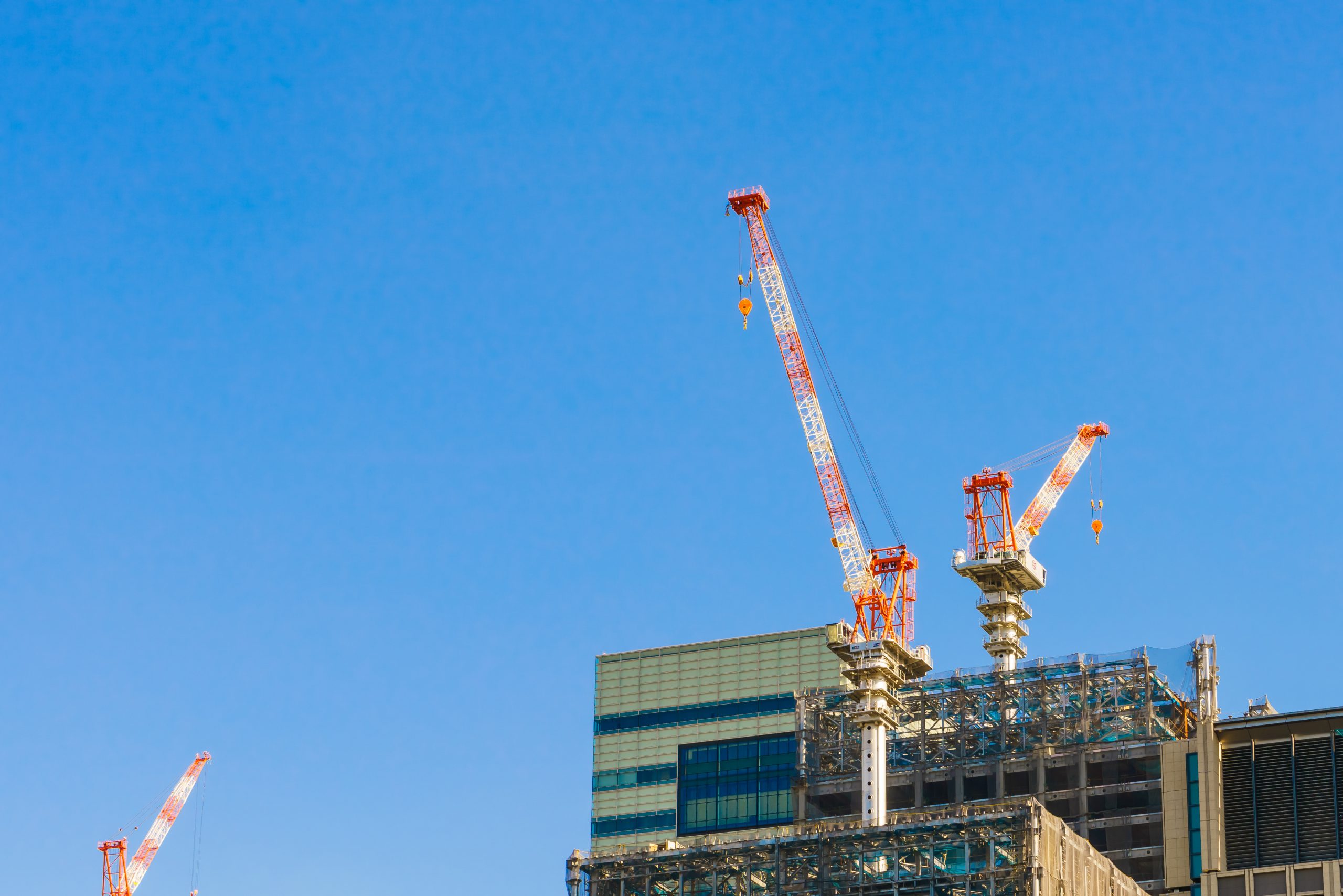
South Korea’s construction equipment industry is entering a new phase of growth as infrastructure modernization, urban redevelopment, and industrial expansion continue across the country. From metro rail extensions and smart city developments to semiconductor manufacturing facilities, construction activity remains robust. South Korea is also among the world’s leading technology-driven economies, encouraging contractors to adopt intelligent machinery that improves productivity and safety. With construction equipment manufacturers increasingly introducing automated and low-emission machines, the industry is evolving beyond traditional earthmoving operations toward a more connected and efficient future.
Market Drivers Advancing the South Korea Construction Equipment Industry
South Korea’s Infrastructure and Urban Renewal Boom Fuels Equipment Demand
One of the strongest growth drivers for the South Korea construction equipment industry is the increasing investment in infrastructure and urban redevelopment projects. Major cities such as Seoul, Busan, and Incheon continue to witness redevelopment initiatives aimed at improving aging residential and commercial districts. South Korea has an urbanization rate exceeding 80%, creating ongoing demand for transportation upgrades, residential projects, and public infrastructure. These developments require a wide range of construction equipment, including excavators, wheel loaders, cranes, and road-building machinery. As cities become denser and smarter, contractors are increasingly relying on advanced equipment capable of operating efficiently in complex urban environments.
Smart Construction Technologies Are Transforming South Korea’s Job Sites
Technology is rapidly changing how construction projects are executed across South Korea. Equipment equipped with telematics, GPS guidance systems, AI-powered monitoring, and predictive maintenance capabilities is becoming more common. Leading domestic manufacturers such as HD Hyundai Construction Equipment and Develon are investing heavily in autonomous and remotely operated machinery. Smart equipment helps contractors reduce downtime, improve fuel efficiency, and address labor shortages. As construction firms seek greater operational efficiency, demand for connected and automated equipment continues to rise throughout the country.
Industrial Expansion and Semiconductor Investments Strengthen Market Demand
South Korea remains a global manufacturing powerhouse, particularly in semiconductors, electronics, batteries, and advanced manufacturing. The expansion of industrial facilities, logistics centers, and production plants is generating significant demand for heavy machinery and material-handling equipment. The country is home to some of the world’s largest semiconductor production facilities, and ongoing investments in battery manufacturing plants and logistics infrastructure are creating substantial opportunities for construction equipment suppliers. These large-scale industrial developments require extensive earthmoving, site preparation, and lifting operations, supporting consistent equipment demand.
Government Initiatives Supporting the South Korea Construction Equipment Industry
The Government of South Korea continues to support the construction equipment market through investments in smart cities, transportation infrastructure, industrial zones, and sustainable development programs. National initiatives promoting digital construction practices are encouraging contractors to adopt intelligent machinery and automated equipment. At the same time, the country’s green growth agenda is driving demand for fuel-efficient and lower-emission equipment, helping modernize construction fleets while improving productivity and environmental performance.
Competitive Landscape of the South Korea Construction Equipment Sector
The South Korea construction equipment industry features strong domestic manufacturers competing alongside established global brands. Key participants include HD Hyundai Construction Equipment, HD Hyundai Infracore (Develon), Doosan Bobcat, Caterpillar, Komatsu, and Volvo Construction Equipment. Competition increasingly centers on automation, sustainability, fuel efficiency, and digital fleet management solutions. Companies are also strengthening dealer networks and after-sales services to enhance customer loyalty and maintain market share in an increasingly technology-driven environment.
Challenges Impacting the South Korea Construction Equipment Industry
Workforce Shortages Increase Dependence on Automation
Like many developed economies, South Korea faces demographic challenges and a shrinking construction workforce. Labor shortages are encouraging contractors to invest in automated and semi-autonomous equipment, although higher upfront costs can create financial pressure for smaller construction firms.
Environmental Compliance Raises Equipment Upgrade Costs
As South Korea strengthens its sustainability goals, construction companies face stricter emissions and environmental regulations. While cleaner equipment offers long-term operational benefits, replacing older fleets requires significant investment, particularly for small and medium-sized contractors working with limited budgets.
Future Outlook
The future of the South Korea construction equipment industry looks promising as infrastructure upgrades, smart city developments, and industrial investments continue to expand. Growing adoption of autonomous equipment, artificial intelligence, telematics, and eco-friendly machinery will reshape how construction projects are executed. As the country continues investing in semiconductor facilities, transportation networks, and sustainable urban development, equipment manufacturers and rental providers will find new avenues for growth. The industry’s long-term outlook remains positive, supported by technological innovation, government backing, and a steady pipeline of construction activities.
Consultants at Nexdigm, in their latest publication “South Korea Construction Equipment Market Outlook to 2035” analyze the sector By Equipment Type (Tower Cranes, Telehandlers and Wheel Loaders), By Operation Mechanism (Manual Operation Systems, Remote Monitoring IoT Integrated) and By Application Sector (Residential Construction, Commercial Urban Development and Mining and Quarrying).
Nexdigm suggests that businesses in “ South Korea Construction Equipment Industry” focusses on oilfield, desalination, construction, and industrial applications, strengthen local warehousing, develop application-specific grades, improve technical support, and build resilient sourcing networks to serve expanding energy, water, and manufacturing demand.
To take the next step, simply visit our Request a Consultation page and share your requirements with us.
Harsh Mittal
+91-8422857704