
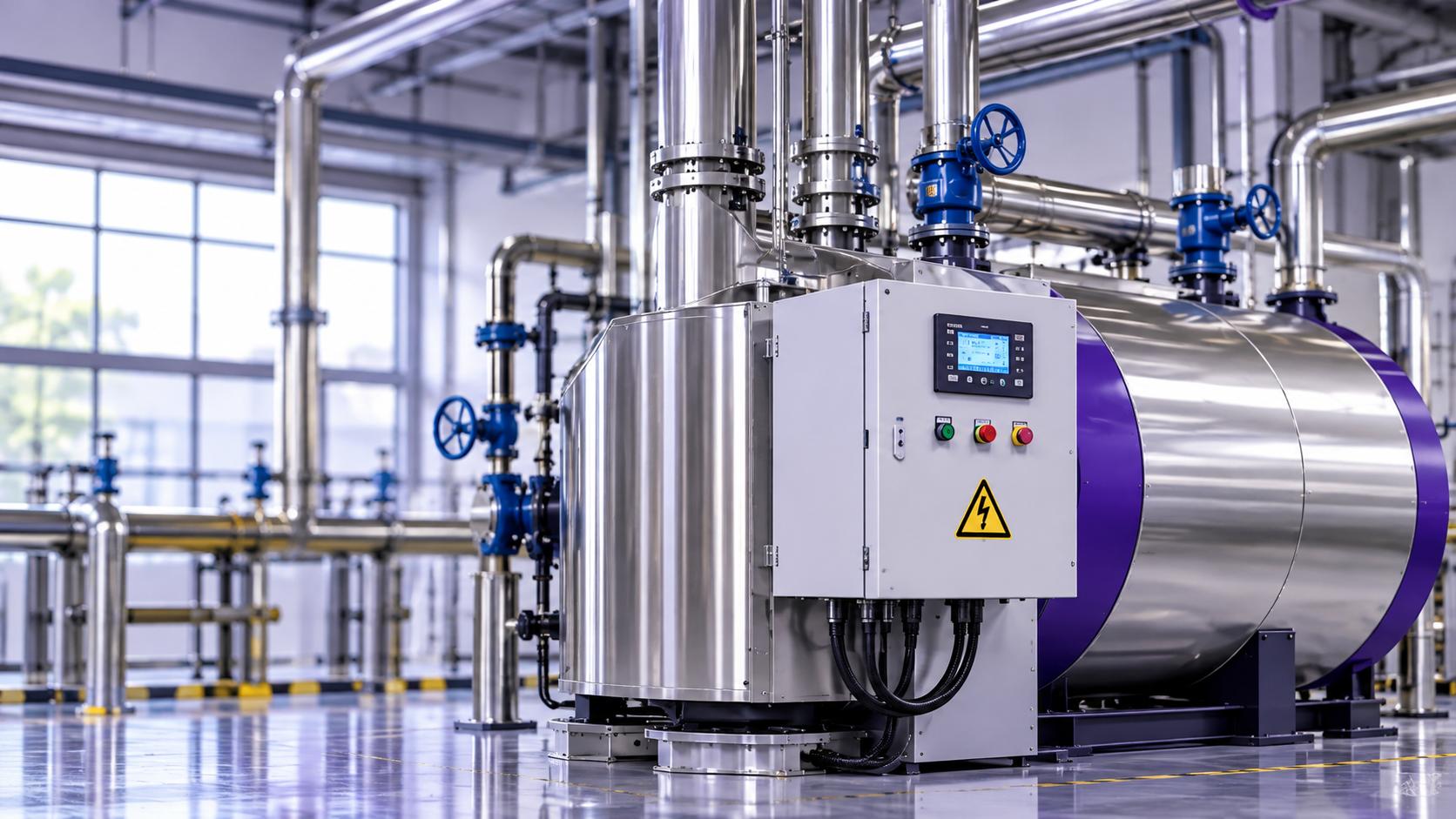
South Korea electric boiler industry is witnessing steady expansion as the country accelerates its transition toward cleaner and more energy-efficient heating solutions. Valued at approximately USD 1.42 billion, the sector is projected to grow at a 6.8% CAGR over the forecast period, supported by increasing demand from residential, commercial, and industrial users. The shift away from fossil-fuel-based heating systems, combined with stringent carbon reduction targets and advances in smart heating technologies, is creating favorable conditions for electric boiler adoption. Industrial centers such as Ulsan and Incheon continue to play an important role in manufacturing and distribution activities.
Market Drivers Advancing South Korea Electric Boiler Growth
Transition Toward Carbon-Neutral Heating
One of the primary factors supporting industry growth is South Korea’s commitment to carbon neutrality. Businesses and households are increasingly replacing conventional gas-fired and oil-fired heating systems with electric alternatives to reduce emissions and improve energy efficiency. Electric boilers offer a cleaner operational profile, making them an attractive option for industries seeking compliance with evolving environmental regulations. As sustainability goals become more prominent, demand for low-emission heating systems is expected to strengthen further.
Growing Adoption of Smart Heating Technologies
The integration of smart technologies is transforming the electric boiler sector. Modern systems are equipped with AI-driven controls, remote monitoring capabilities, and energy optimization features that improve operational efficiency and reduce electricity consumption. These technologies enable users to manage heating requirements based on real-time demand, helping lower operating costs. The growing popularity of smart homes and smart industrial facilities is creating significant opportunities for advanced electric boiler installations.
Expansion of Renewable Energy Integration
Renewable energy adoption is also supporting industry expansion. Electric boilers can be integrated with renewable energy sources and energy storage systems, enabling more sustainable heating operations. As South Korea invests in solar, wind, and grid modernization initiatives, the compatibility of electric boilers with renewable electricity sources strengthens their appeal. This trend is particularly relevant for industrial operators aiming to reduce their environmental footprint while maintaining reliable heating performance.
Government Initiatives Supporting South Korea Electric Boiler Sector
The South Korean government continues to promote cleaner heating technologies through environmental regulations and carbon-reduction strategies. Policies under the national carbon neutrality roadmap encourage the gradual replacement of fossil-fuel-based heating equipment with cleaner alternatives. In addition, energy-efficiency standards and incentives for sustainable building development are supporting the installation of advanced electric heating systems. These initiatives are expected to create favorable long-term conditions for industry expansion while helping the country achieve its climate objectives.
Competitive Landscape of South Korea Electric Boiler Industry
The industry features a mix of established domestic manufacturers and technology-focused heating solution providers. Companies are investing in product innovation, smart controls, and high-efficiency designs to strengthen their competitive positions. Leading domestic players are leveraging advanced engineering capabilities and strong distribution networks to meet rising demand. Strategic partnerships, research and development investments, and expansion of energy-efficient product portfolios continue to shape competition across the sector.
Challenges Impacting South Korea Electric Boiler Industry
High Electricity Costs
Despite their environmental advantages, electric boilers can face adoption barriers due to electricity pricing. In applications with high energy consumption, operating costs may be a concern compared to certain conventional heating systems, particularly during periods of peak electricity demand.
Infrastructure and Upgrade Requirements
Many older buildings and industrial facilities require electrical infrastructure upgrades before electric boiler installation. The additional investment associated with wiring improvements, grid connectivity, and system modernization may slow adoption in some segments, especially among cost-sensitive users.
Future Outlook
The future of South Korea’s electric boiler industry remains positive as environmental priorities continue to influence purchasing decisions. Increasing awareness of energy efficiency and emissions reduction is expected to support broader adoption across residential and industrial applications.
Consultants at Nexdigm, in their latest publication “South Korea Electric Boiler Market Outlook to 2035,” analyze the sector By (Defining South Korea Boiler Scope, Top-Down Domestic Market Sizing, Bottom-Up Manufacturer Sales Verification, Regulatory Body Policy Review, Expert HVAC Industry Interviews,).
Nexdigm suggests that businesses in the South Korea Electric Boiler Industry focus on investing in smart heating technologies, renewable energy integration, and energy-efficient solutions to capitalize on the sector’s projected 6.8% growth. Companies should also align with evolving carbon-neutral regulations and strengthen innovation capabilities to maintain long-term competitiveness.
To take the next step, simply visit our Request a Consultation page and share your requirements with us.
Harsh Mittal
+91-8422857704