
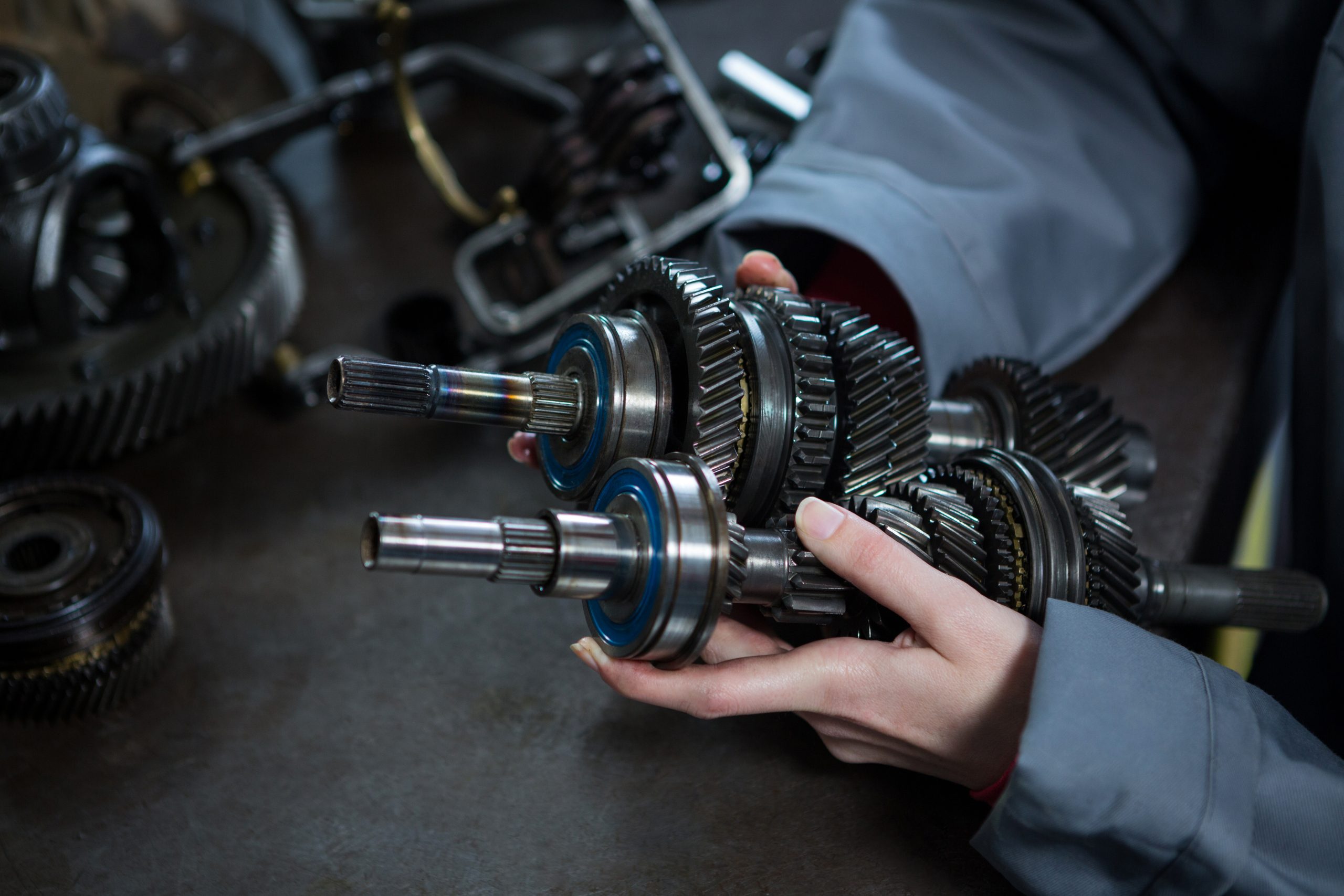
South Korea’s electric traction motors market is gaining traction as the country accelerates its transition toward electric mobility and advanced automotive technologies. Electric traction motors are essential components of electric vehicles (EVs), converting electrical energy into mechanical power to drive vehicles efficiently. Growing EV adoption, investments in battery and automotive manufacturing, and technological advancements are creating new opportunities for motor manufacturers. Additionally, South Korea’s strong automotive ecosystem, supported by established companies and research capabilities, is strengthening its position in the global electric mobility supply chain. The increasing focus on energy efficiency and carbon reduction is further supporting market development.
Key Market Drivers Are Strengthening Demand for Electric Traction Motors
Rising Electric Vehicle Adoption Is Expanding Motor Requirements
The growing adoption of electric vehicles is one of the primary factors supporting South Korea’s electric traction motors market. According to the International Energy Agency (IEA), electric car sales in South Korea increased by approximately 65% in 2025, exceeding 200,000 units and reaching an 11% share of new car sales. This growth is encouraging automakers to increase investments in high-performance traction motors, particularly permanent magnet synchronous motors (PMSMs), which offer high efficiency, compact designs, and strong torque output.
Automotive Innovation Is Accelerating Motor Technology Development
South Korea has a well-established automotive manufacturing ecosystem, with companies such as Hyundai Motor and Kia investing in next-generation electric vehicle platforms. These developments are increasing demand for lightweight, compact, and energy-efficient traction motors. Manufacturers are also focusing on integrated e-axle systems, advanced cooling technologies, and improved power density to enhance vehicle performance and driving range. Furthermore, advancements in silicon carbide (SiC) power electronics are creating opportunities to improve the efficiency of complete electric drive systems.
Growing Export Opportunities Are Supporting Domestic Production
South Korea’s strong automotive export industry is another important market driver. The country recorded approximately USD 70.8 billion in automotive exports in 2024, reflecting its established position in global vehicle manufacturing. As automakers expand their electric and hybrid vehicle portfolios for international markets, demand for locally manufactured traction motors and integrated propulsion systems is expected to increase. This also encourages domestic suppliers to strengthen research, production capacity, and international partnerships.
Government Support and Electrification Initiatives Are Encouraging Market Growth
The South Korean government is supporting electric mobility through purchase incentives, charging infrastructure development, and policies promoting low-emission transportation. In 2026, the government raised its zero-emission vehicle deployment ambition, targeting electric and fuel-cell vehicles to account for 50% of new vehicle sales by 2030, according to the IEA. These initiatives are encouraging automakers and component suppliers to invest in advanced electric drivetrains, domestic manufacturing capabilities, and research and development. Such policy support is expected to create a more favorable environment for traction motor manufacturers.
Competitive Landscape Is Shaped by Established Automotive Technology Companies
South Korea’s electric traction motors market features established automotive suppliers and technology manufacturers competing through product innovation, manufacturing capabilities, and strategic partnerships. Key participants include Hyundai Mobis, LG Magna e-Powertrain, Hyundai KEFICO, HL Mando, and SNT Motiv. Companies are focusing on integrated electric drive systems, motor efficiency, lightweight components, and advanced thermal management technologies. Their investments in research and development and collaborations with automotive manufacturers are helping strengthen domestic capabilities while supporting opportunities in international EV supply chains.
Market Challenges Are Creating Pressure on Manufacturers
Raw Material Price Volatility and Supply Chain Constraints
The production of electric traction motors depends on materials such as copper, electrical steel, and rare-earth elements, including neodymium. Fluctuations in raw material prices and dependence on international suppliers can increase manufacturing costs and affect profit margins. Securing a stable supply of high-quality permanent magnets remains an important concern for manufacturers.
Intense Competition and Technological Investment
Manufacturers also face growing competition from international suppliers offering cost-effective motor technologies. At the same time, continuous investment in research, automation, and advanced manufacturing processes is necessary to maintain product quality and competitiveness. Smaller component suppliers may find it difficult to manage these rising investment requirements.
Future Outlook
The future of South Korea’s electric traction motors market looks promising, supported by rising electric vehicle adoption, government electrification targets, and continued automotive innovation. The growing emphasis on high-efficiency motors, integrated e-axles, and advanced thermal management systems is expected to influence product development. Additionally, increasing exports of electric vehicles and automotive components will create opportunities for domestic suppliers. As South Korea works toward its 2030 zero-emission vehicle ambitions, traction motor manufacturers are likely to benefit from expanding demand, technological advancements, and stronger integration into global electric mobility supply chains.
Consultants at Nexdigm, in their latest publication “South Korea electric traction motors market outlook to 2035” analyze the sector By Motor Technology (Heavy Rare Earth- free Ferrit Motors, Neodymium-Iron Boron Sintered Motors, Surface-Mounted Magnet Topologies), By Induction Motors (Copper Rotor Bar Technologies, Cast Aluminum Rotor Cage Systems)
Nexdigm suggests that businesses in the South Korea electric traction motors market should focus on developing energy-efficient motor technologies, strengthening domestic supply chains, and investing in advanced manufacturing.
To take the next step, simply visit our Request a Consultation page and share your requirements with us.
Harsh Mittal
+91-8422857704