
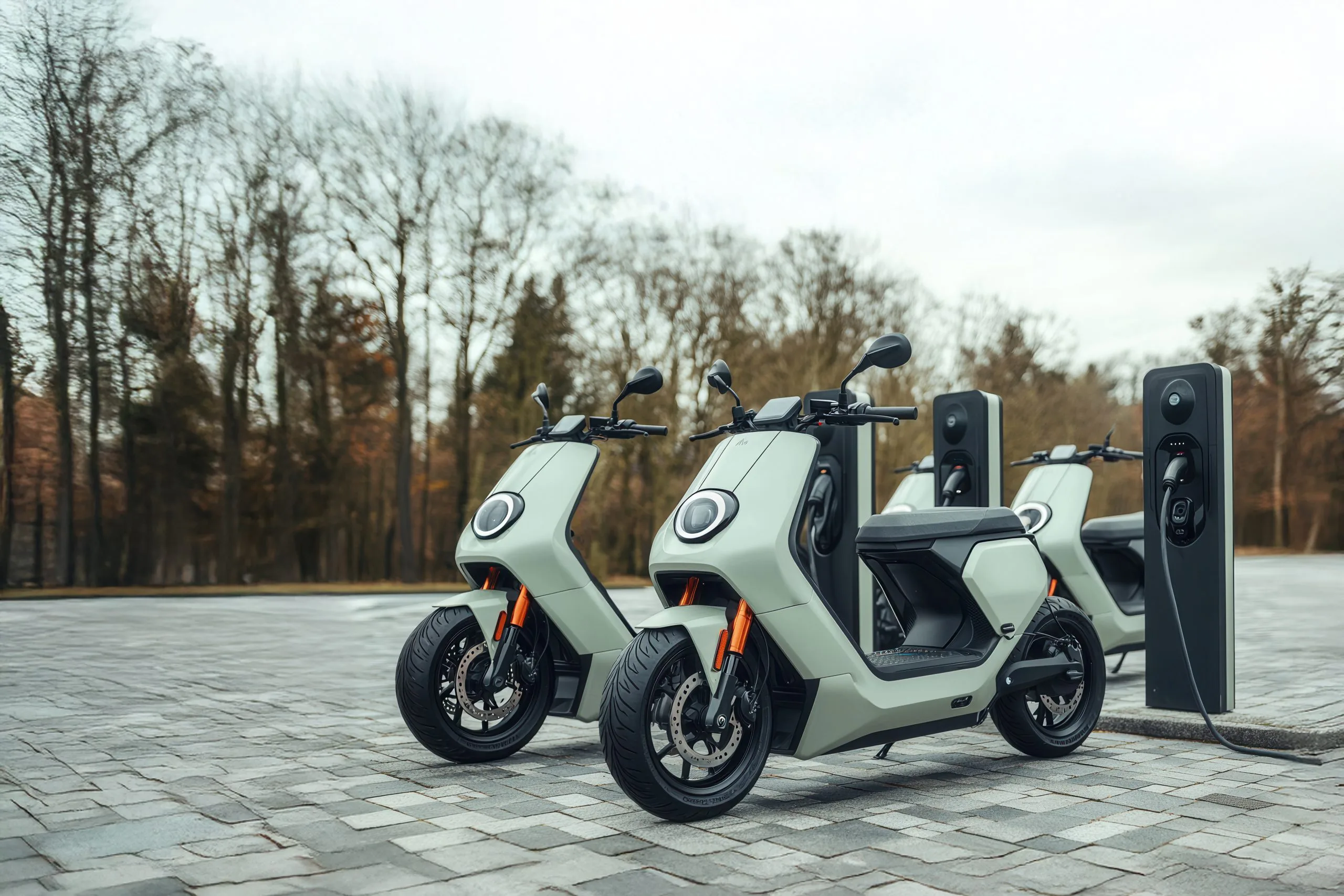
South Korea’s electric two-wheeler market is transitioning from a niche segment to a rapidly expanding mobility solution driven by sustainability goals and urban mobility needs. The market reached approximately USD 845 million in 2024 and is projected to grow to nearly USD 2.5 billion by 2033, reflecting strong momentum in adoption. With increasing environmental awareness, rising fuel costs, and supportive policies, electric scooters, motorcycles, and e-bikes are becoming viable alternatives for short-distance travel. The market is expected to maintain steady growth through 2035, supported by technological advancements and expanding use cases in both personal and commercial segments.
Primary Factors Accelerating Electric Two-Wheeler Adoption in South Korea
Rising Environmental Awareness and Emission Regulations
South Korea’s commitment to reducing carbon emissions is a primary driver for electric mobility adoption. Stringent environmental regulations and growing public concern about air pollution are pushing consumers and businesses toward cleaner transport solutions. Electric two-wheelers, which produce zero tailpipe emissions, are increasingly preferred in urban areas where air quality concerns are more acute. This shift aligns with broader EV adoption trends, where government policies and sustainability targets are accelerating electrification across transport sectors.
Urbanization and Last-Mile Connectivity Demand
Rapid urbanization and dense city infrastructure have increased the need for efficient last-mile connectivity solutions. Electric scooters and e-bikes are particularly well-suited for short-distance travel, offering convenience and cost efficiency. The rise of shared mobility services and rental platforms has further boosted adoption, with the scooter and bike rental market projected to grow significantly at over 15% CAGR in the coming years. These vehicles are increasingly used for food delivery, logistics, and commuting, expanding their application base.
Cost Efficiency and Technological Advancements
Electric two-wheelers offer lower operating and maintenance costs compared to internal combustion engine (ICE) vehicles. Advancements in battery technology, particularly lithium-ion systems, have improved range, charging time, and durability, making these vehicles more practical for everyday use. Additionally, declining battery costs and improved financing options are making electric models more accessible to a broader consumer base.
Policy Framework and Government Incentives Supporting Market Growth
The South Korean government actively promotes electric mobility through subsidies, tax incentives, and regulatory support. Policies aimed at reducing greenhouse gas emissions and improving urban air quality have encouraged the adoption of electric two-wheelers. Financial incentives lower upfront costs, while investments in charging infrastructure enhance usability. Additionally, evolving regulations—such as increased transparency around EV batteries—are designed to improve consumer confidence and safety, further supporting market growth.
Market Competition and Key Players Driving Industry Innovation
The market features a mix of domestic manufacturers, global OEMs, and emerging startups. Companies are focusing on product innovation, battery efficiency, and smart connectivity features to differentiate their offerings. Strategic partnerships and investments in R&D are common as firms aim to capture a growing customer base. Increasing competition is also driving price optimization and expanding product portfolios, particularly in the e-scooter and e-bike segments.
Key Barriers and Challenges Impacting Market Growth
Infrastructure and Charging Limitations
Despite progress, charging infrastructure for electric two-wheelers remains underdeveloped compared to four-wheel EVs. Limited public charging availability can hinder widespread adoption, particularly for high-usage commercial applications.
Safety Concerns and Battery Risks
Safety concerns, including battery-related fire incidents, have raised consumer apprehension. High-profile EV fire cases have prompted stricter regulations and increased scrutiny of battery systems, potentially slowing adoption in the short term.
Future Outlook
The South Korea electric two-wheeler market is poised for sustained expansion through 2035, with certain segments such as electric scooters expected to grow at CAGR levels exceeding 25% in the long term. Continued technological advancements, improved infrastructure, and supportive government policies will play a critical role in shaping the market. As urban mobility evolves and shared transportation models gain traction, electric two-wheelers are likely to become integral to South Korea’s transportation ecosystem. The convergence of sustainability goals, economic benefits, and innovation positions the market for robust and long-term growth.
Consultants at Nexdigm, in their latest publication “South Korea Electric Two-Wheeler Market Outlook to 2035,” analyze the sector by System Type (Battery Electric Scooters, Electric Motorcycles, Electric Mopeds, High-performance Electric Two-Wheelers), By Platform Type (Urban Platforms, Suburban Platforms, Off-road Platforms), and By Fitment Type (On-premise Solutions, Battery Swap Solutions, Integrated Charging Solutions). Nexdigm suggests that businesses should align their long-term strategies with the evolving electric mobility ecosystem by investing in advanced battery technologies, expanding charging infrastructure, and leveraging opportunities in last-mile delivery and shared mobility segments, while also adapting to regulatory developments and shifting consumer preferences to ensure sustained competitiveness and growth in South Korea’s electric two-wheeler market.
To take the next step, simply visit our Request a Consultation page and share your requirements with us.
Harsh Mittal
+91-8422857704