
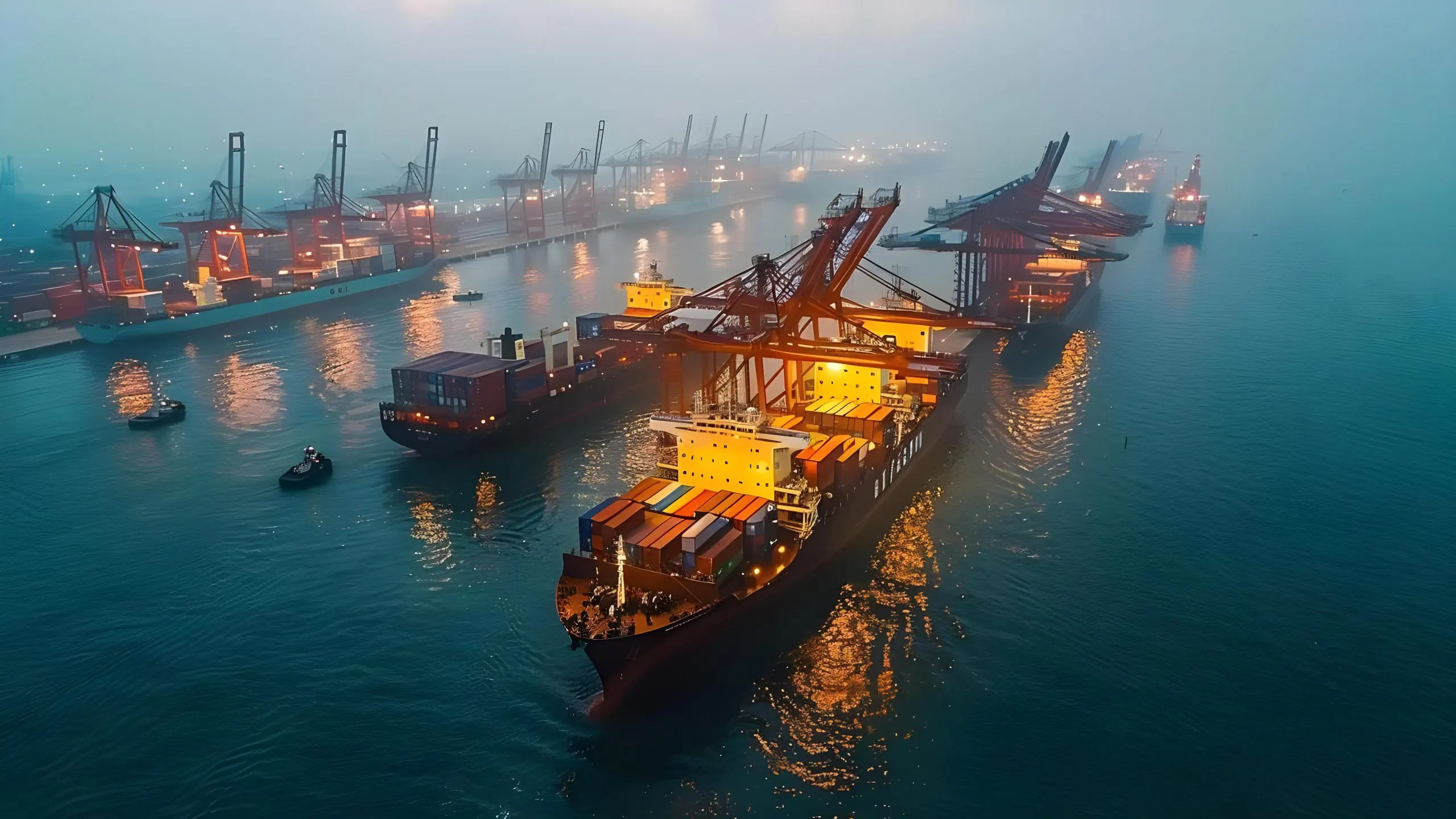
South Korea’s freight forwarding market is positioned for sustained evolution as global trade dynamics shift and logistics demand expands. Fueled by the nation’s export‑oriented economy, advanced manufacturing base, and strategic geographic location between Northeast Asia and global markets, freight forwarders play a central role in managing multimodal transport, customs clearance, and supply chain coordination. The market has shown resilience despite supply chain disruptions from geopolitical tensions and pandemic aftereffects. With increasing digital adoption and trade diversification, the sector is projected to adapt to new requirements in cost efficiency, visibility, and reliability through 2035.
Key Drivers Fueling Growth in South Korea’s Freight Forwarding Market
Export‑Led Economic Structure
South Korea’s freight forwarding industry is fundamentally driven by the country’s strong export sector. Key export categories — such as semiconductors, automobiles, petrochemicals, and consumer electronics — necessitate complex logistics solutions across air, ocean, and land modes. As exports grow, demand for integrated freight forwarding services expands proportionately. For example, the share of freight handled via major ports like Busan and Incheon reflects sustained export throughput, reinforcing forwarders’ role in international logistics flows.
Infrastructure and Technological Investment
Government and private investments in logistics infrastructure — including port automation, expanded rail freight corridors, and digital platforms — are enhancing freight forwarding capabilities. Adoption of technologies such as track‑and‑trace systems, electronic documentation, and transportation management software improves operational efficiency and transparency. Digital freight platforms and blockchain pilots are increasingly used to optimize transactions and reduce lead times.
Regional Supply Chain Realignment
With global supply chains experiencing reconfiguration due to trade tensions and diversification strategies, South Korean forwarders are capitalizing on near‑shoring and alternative routing opportunities. This shift supports demand for value‑added services like inventory forecasting, cross‑border compliance expertise, and multimodal consolidation.
Government Policies and Initiatives Driving the Growth of Freight Forwarding in South Korea
The South Korean government has implemented policies aimed at strengthening logistics competitiveness, including regulatory support for digital logistics platforms and incentives for smart port development. National logistics master plans emphasize public‑private collaboration to enhance freight efficiency and reduce turnaround times. Customs facilitation programs and trade agreements further streamline cross‑border operations, supporting forwarders in managing regulatory complexity and reducing clearance delays.
Key Players and Competition in South Korea’s Freight Forwarding Market
The market comprises international freight forwarders, domestic logistics firms, and integrated third‑party logistics (3PL) providers. Major global players coexist with agile local specialists offering niche services aligned to specific industry sectors. Competitive differentiation is increasingly based on digital service portfolios, network breadth, and value‑added supply chain solutions. Strategic partnerships and acquisitions are common as firms seek scale and extended geographic reach.
Key Challenges Facing the South Korea Freight Forwarding Industry
Regulatory and Cost Pressures
Freight forwarders contend with evolving customs and trade regulations that require continuous compliance adaptation. Rising operational costs, particularly in air and maritime freight, compress margins. In addition, talent shortages in specialized logistics functions and the requirement for ongoing digital skills investment pose constraints on scalable growth. Environmental compliance and carbon reduction mandates add another layer of complexity to service delivery.
Future Outlook
Through 2035, the South Korea freight forwarding market is expected to grow in alignment with broader logistics demand, driven by export expansion, supply chain digitization, and regional trade integration. Forwarders that adopt advanced analytics, automation, and sustainable practices will likely outperform peers in cost efficiency and service quality. Strategic engagement with emerging markets and enhanced multimodal networks will support resilience against external shocks. Although competitive intensity and regulatory challenges will persist, the long‑term trajectory points toward a more integrated, transparent, and technology‑enabled freight forwarding ecosystem.
Consultants at Nexdigm, in their latest publication “South Korea Freight Forwarding Market Outlook to 2035,” analyze the sector by System Type (Air Freight Forwarding, Ocean Freight Forwarding, Rail Freight Forwarding, Road Freight Forwarding), By Platform Type (Sea Port Logistics Platforms, Air Cargo Logistics Platforms, Inland Container Depots), and By Fitment Type (Asset Based Freight Forwarding, Non Asset Based Freight Forwarding, Digital Freight Brokerage). Nexdigm suggests that businesses should adapt to evolving market dynamics by embracing digital transformation, optimizing supply chains, and staying ahead of regulatory changes to maintain competitiveness and drive growth.
To take the next step, simply visit our Request a Consultation page and share your requirements with us.
Harsh Mittal
+91-8422857704