
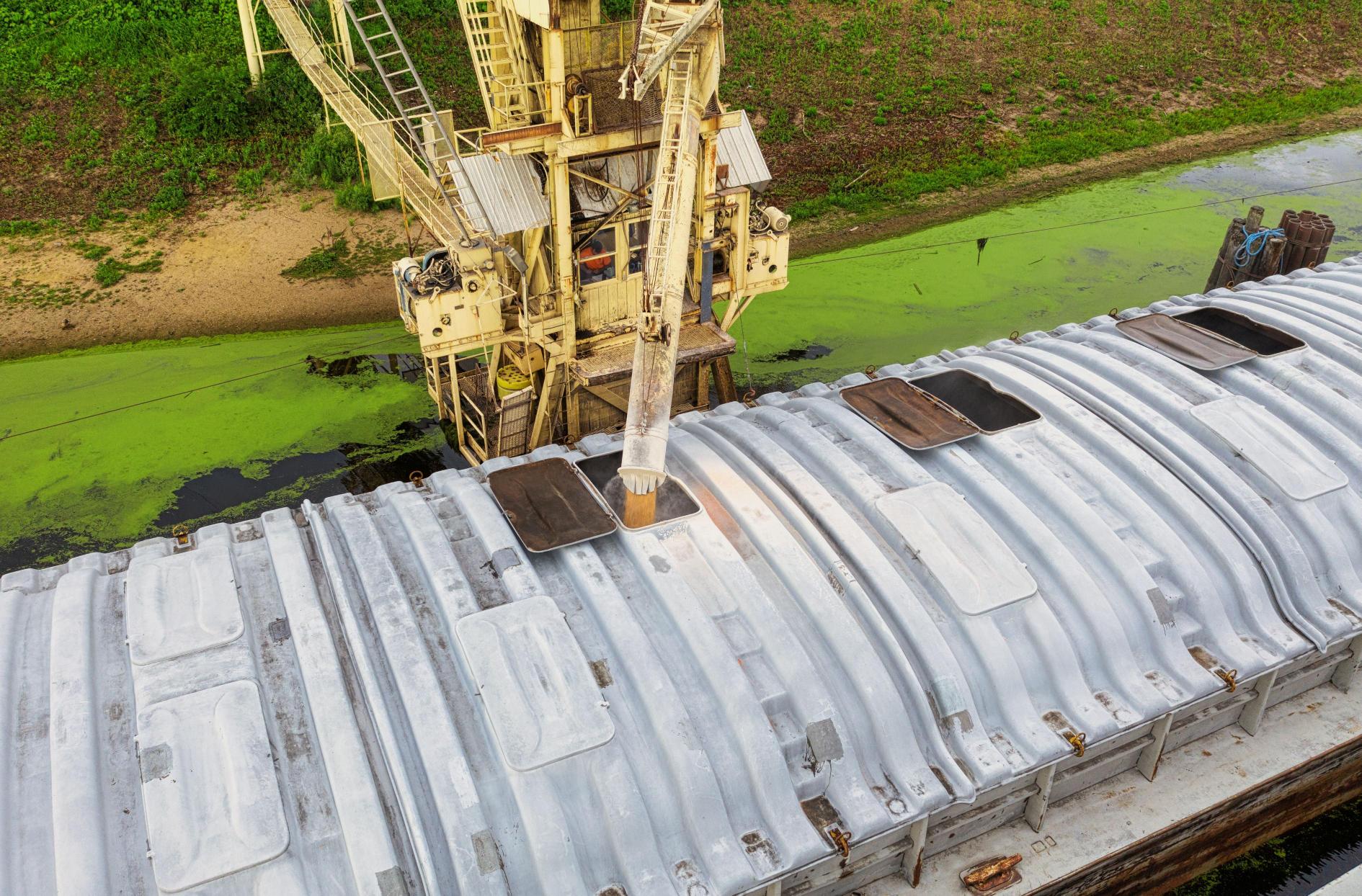
South Korea green cement industry is expanding rapidly as sustainability goals, carbon reduction targets, and environmentally conscious construction practices reshape the building materials sector. The industry is valued at approximately USD 2.45 billion and is projected to grow at an impressive 8.4% CAGR, reaching nearly USD 5.49 billion by the end of the forecast period. Growing demand for low-carbon construction materials, combined with investments in alternative cement technologies, is encouraging manufacturers to develop innovative products. Strong government support and increasing ESG commitments among developers are further contributing to industry expansion.
Market Drivers Advancing South Korea Green Cement Industry
Rising Demand for Low-Carbon Construction Materials
The growing emphasis on sustainable construction is significantly increasing demand for green cement across South Korea. Commercial real estate developers, infrastructure contractors, and industrial builders are increasingly selecting low-carbon building materials to align with ESG objectives and reduce environmental impact. In major urban centers such as Seoul, developers are prioritizing carbon-neutral construction practices, creating strong demand for blended cements, geopolymer products, and alternative clinker technologies. This transition is helping reduce emissions while maintaining structural performance and durability standards.
Technological Advancements in Cement Manufacturing
Manufacturers are investing heavily in innovative technologies that lower carbon emissions during production. Advanced processes such as kiln electrification, carbon capture utilization and storage (CCUS), and alternative fuel integration are helping companies improve sustainability performance. Research and development activities in industrial hubs such as Pohang are accelerating the commercialization of low-carbon clinker substitutes. These innovations are enabling producers to reduce reliance on conventional cement production methods while improving environmental outcomes.
Growing ESG and Corporate Sustainability Commitments
Businesses across the construction value chain are increasingly adopting sustainability frameworks to meet investor expectations and regulatory requirements. Green building certifications and corporate carbon reduction goals are encouraging builders to utilize environmentally friendly cement products. The growing influence of ESG-focused investments is expected to further strengthen demand for sustainable construction materials, creating long-term opportunities for green cement manufacturers.
Government Initiatives Supporting South Korea Green Cement Industry
The South Korean government is actively promoting industrial decarbonization through sustainability-focused policies and carbon neutrality strategies. The K-Taxonomy framework identifies green cement production as a priority investment area, encouraging funding and innovation across the sector. Additionally, national commitments toward achieving carbon neutrality by 2050 are accelerating the adoption of low-emission manufacturing technologies, alternative cement formulations, and carbon capture solutions. These initiatives are creating a supportive environment for long-term industry growth.
Competitive Landscape of South Korea Green Cement Industry
The industry is characterized by the presence of established domestic manufacturers focused on technological innovation and sustainability. Companies such as Ssangyong C&E are investing in kiln electrification, CCUS technologies, and low-carbon cement production capabilities. Competition is increasingly driven by product innovation, environmental performance, production efficiency, and alignment with ESG requirements. Strategic investments in research and development are enabling companies to strengthen their positions within the evolving sustainable construction materials landscape.
Challenges Impacting South Korea Green Cement Industry
High Costs of Advanced Production Technologies
The transition toward low-carbon cement production requires substantial investments in carbon capture systems, electrified kilns, and alternative raw material processing technologies. These capital requirements can create financial challenges for manufacturers undergoing sustainability transformations.
Supply and Performance Constraints
While demand for green cement is growing, securing sufficient quantities of industrial byproducts and alternative materials remains challenging. Manufacturers must also ensure that sustainable cement products deliver the same performance, durability, and reliability as traditional cement to achieve widespread adoption.
Future Outlook
The future of the South Korea green cement industry is expected to benefit from increasing demand for sustainable construction materials, stricter carbon reduction regulations, and expanding investments in environmentally responsible infrastructure projects. As public and private sector organizations accelerate their ESG commitments, adoption of low-carbon cement solutions is likely to rise across commercial, residential, and industrial construction segments.
Continuous advancements in carbon capture technologies, alternative clinker production, and cement manufacturing electrification will further strengthen industry development. With strong policy support, ongoing innovation, and growing emphasis on carbon neutrality, the sector is well-positioned to become a key contributor to the country’s sustainable construction ecosystem while supporting long-term industrial decarbonization goals.
Consultants at Nexdigm, in their latest publication “South Korea Green Cement Market Outlook to 2035 ,” analyze the sector By (Defining Green Cement Scope, Bottom-Up Production Volume Modeling, Top-Down Construction Spend Analysis, Primary Producer Capacity Assessment, Expert Interview Insight Aggregation,).
Nexdigm suggests that businesses in the South Korea Green Cement Industry focus on low-carbon cement technologies, carbon capture investments, and sustainable product innovation. Aligning with carbon neutrality goals, ESG requirements, and green construction demand can help companies strengthen competitiveness and unlock long-term growth opportunities.
To take the next step, simply visit our Request a Consultation page and share your requirements with us.
Harsh Mittal
+91-8422857704