
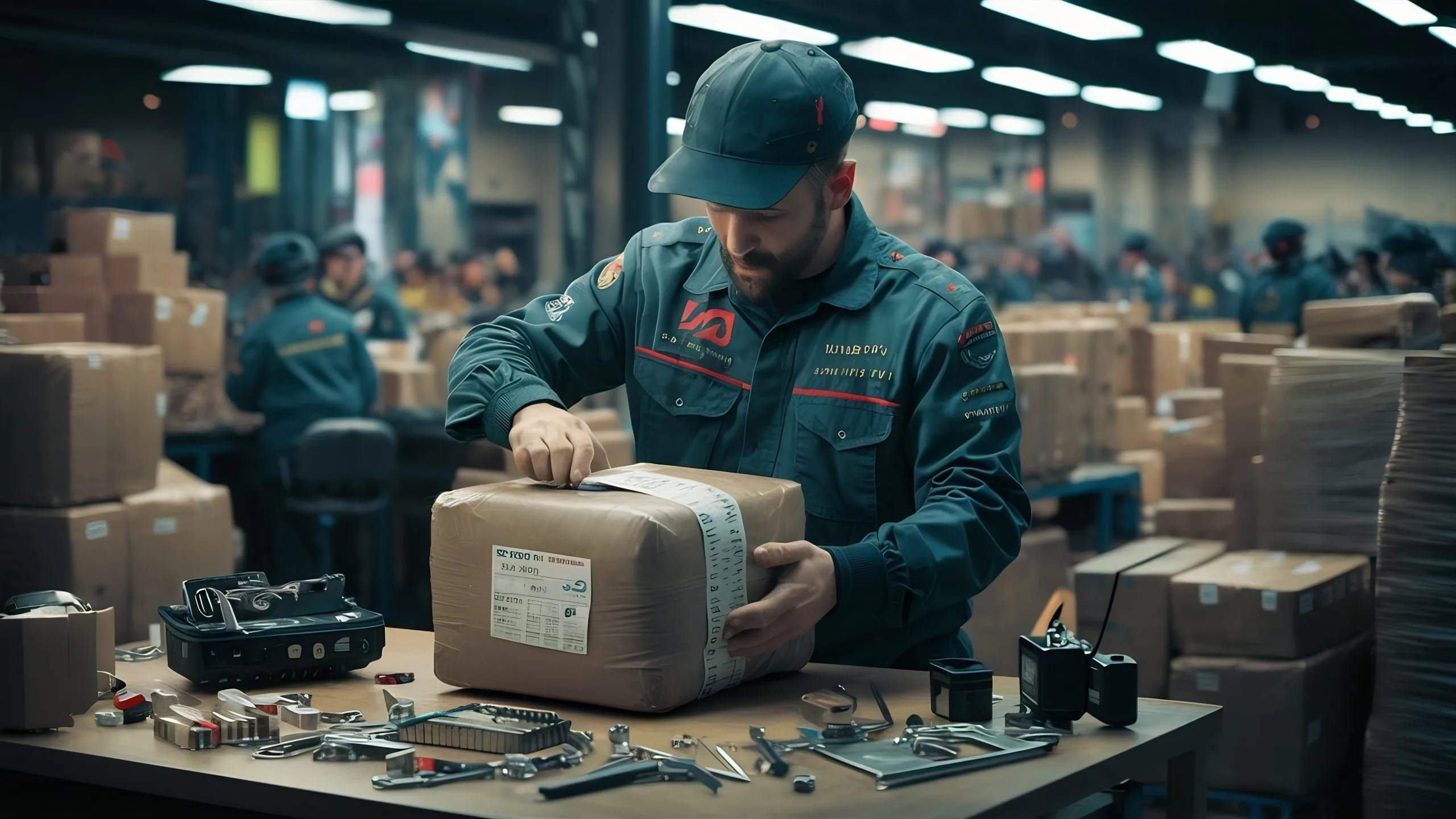
South Korea’s last‑mile delivery market has emerged as one of the most dynamic logistics sectors in Asia, driven by rapid e‑commerce growth and evolving consumer expectations. In 2025, online retail penetration in South Korea is projected to exceed 30 % of total retail sales, supporting robust demand for efficient delivery services. The market encompasses traditional courier services, on‑demand delivery platforms, and automated solutions such as lockers and drones. As businesses compete for speed and convenience, innovation and investment in last‑mile infrastructure have become central to sustaining service quality and meeting same‑day or next‑day delivery expectations.
Primary Factors Fueling Growth in South Korea’s Last-Mile Delivery Market
E‑Commerce Expansion
The foremost driver of South Korea’s last‑mile delivery market is the explosive growth of e‑commerce. With one of the world’s highest internet penetration rates (over 96%) and widespread smartphone usage, online shopping has become deeply embedded in consumer behavior. Categories such as fashion, groceries, and electronics increasingly move online, generating higher parcel volumes and greater demand for flexible delivery options. The growth of marketplaces like Coupang, SSG.COM, and global platforms further intensifies demand for rapid and reliable last‑mile solutions.
Rising Consumer Expectations
Urban consumers in South Korea exhibit strong preferences for fast and convenient delivery. Same‑day and next‑day delivery options are no longer differentiators, but expected service standards, particularly in metropolitan areas such as Seoul, Busan, and Incheon. Time‑specific delivery windows and real‑time tracking have become baseline expectations, pushing carriers to invest in technology to optimize routing, dispatching, and customer communication.
Technology Adoption and Automation
Technology is reshaping how last‑mile delivery is executed. Investments in route optimization software, autonomous delivery robots, and parcel locker networks are increasing operational efficiency. For instance, parcel lockers located in residential complexes and subway stations help reduce failed delivery attempts, a key source of inefficiency. Pilot projects for drone delivery in rural areas are underway, signaling long‑term shifts toward automated distribution models. Integration of AI and data analytics also improves forecasting, reduces delivery times, and manages peak‑period capacity.
Government Policies and Initiatives Driving Last-Mile Delivery Innovation
The South Korean government has introduced policies to modernize logistics infrastructure and support innovation in last‑mile delivery. Initiatives include regulatory adjustments for autonomous delivery of vehicles and drones, investments in smart logistics hubs, and subsidies for small carriers to adopt digital platforms. The Ministry of Land, Infrastructure and Transport has emphasized logistics innovation under national economic plans, aiming to improve service efficiency and reduce urban congestion linked to delivery traffic.
Overview of Key Players and Competitive Dynamics in the Last-Mile Delivery Market
South Korea’s last‑mile delivery segment is highly competitive, characterized by incumbents and agile start‑ups vying on speed and technology. Major logistics companies provide broad network coverage, while e‑commerce giants increasingly internalize distribution to control delivery quality. New entrants focus on niche solutions such as hyper‑local delivery and app‑based crowdsourced couriers. Strategic partnerships and acquisitions are frequent as firms expand capacity and optimize service portfolios to capture growing parcel volumes.
Key Challenges Facing South Korea’s Last-Mile Delivery Market
Rising Operational Costs
One key challenge is rising operational costs, driven by labour shortages and urban delivery constraints. Wage pressures and fuel expenses squeeze carrier margins, particularly for smaller operators.
Infrastructure Bottlenecks
Urban congestion and limited loading zones slow delivery cycles and increase costs. Balancing fast delivery with sustainable operations remains a persistent logistical hurdle.
Future Outlook
Looking ahead to 2035, South Korea’s last‑mile delivery market is expected to continue expanding, with total parcel volumes growing in tandem with e‑commerce and omni‑channel retailing. Automation and digitization will play larger roles, with broader deployment of autonomous delivery systems, smart lockers, and predictive logistics tools. Sustainability considerations—such as electrification of delivery fleets—will become more prominent. Competitive dynamics will likely favour firms that can combine operational scale with technological agility. Overall, the market is poised for measured growth, supported by consumer demand and ongoing innovation.
Consultants at Nexdigm, in their latest publication “South Korea Last‑Mile Delivery Market Outlook to 2035,” analyze the sector by System Type (Parcel Delivery Services, Food Delivery Logistics, Same Day Delivery Services, Hyperlocal Courier Services), By Platform Type (Motorcycle Delivery Fleets, Light Commercial Delivery Vans, Electric Delivery Vehicles), and By Fitment Type (In House Logistics Operations, Third Party Logistics Integration, Crowdsourced Delivery Networks). Nexdigm suggests that businesses should focus on adopting innovative delivery solutions, leveraging emerging technologies, and improving operational efficiency to stay competitive in the evolving last-mile delivery market. By investing in automation, artificial intelligence, and sustainable logistics practices, companies can meet the growing demand for faster and more reliable services while reducing costs and environmental impact.
To take the next step, simply visit our Request a Consultation page and share your requirements with us.
Harsh Mittal
+91-8422857704