
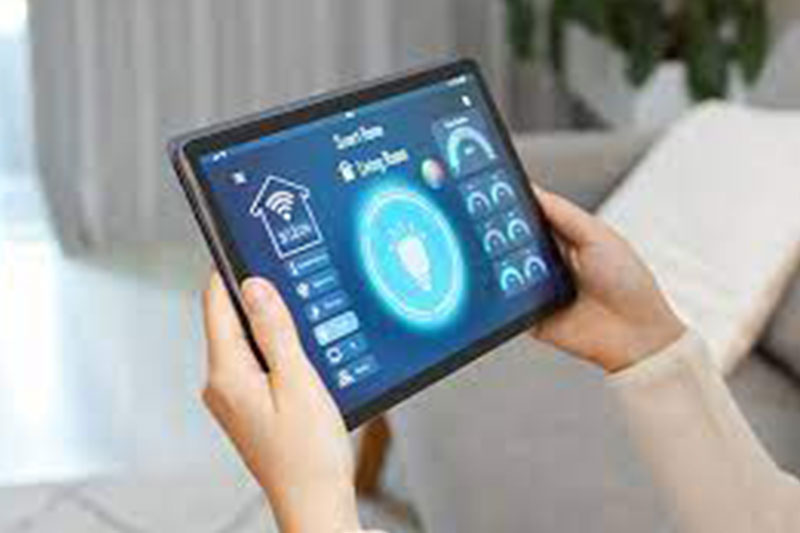
South Korea’s Lighting Control and Management Systems Market is witnessing strong growth, supported by rapid digitalization, smart-building investments, and one of the most connected economies globally. With a population of approximately 52 million, internet penetration exceeding 95%, and a commercial ecosystem that includes more than 55,000 convenience stores, the country is increasingly adopting intelligent building technologies. South Korea’s push toward carbon neutrality by 2050, combined with growing investments in smart factories, AI data centers, commercial real estate, and digital infrastructure, is accelerating demand for IoT-enabled lighting controls, occupancy sensors, wireless lighting networks, and AI-driven energy-management systems across commercial, industrial, residential, and public-sector facilities.
Key Market Drivers for South Korea’s Lighting Control and Management Systems Market
Smart City Development and Digital Infrastructure Expansion Accelerate Adoption
South Korea continues to lead Asia in smart-city deployment through projects such as Songdo International Business District, Busan Eco Delta Smart City, and multiple digital urban transformation initiatives. With an urbanization rate exceeding 81% and internet penetration above 95%, demand for intelligent building technologies is rising rapidly across commercial offices, airports, healthcare facilities, educational campuses, and public infrastructure. Smart lighting systems integrated with IoT sensors, occupancy analytics, and centralized building management platforms are increasingly being deployed to improve energy efficiency, reduce operational costs, and support sustainable urban development.
Data Center and AI Infrastructure Investments Strengthen Market Demand
South Korea is emerging as a major regional hub for cloud computing, artificial intelligence, and digital services. The country continues to attract multi-billion-dollar investments in hyperscale data centers, particularly across Seoul, Incheon, and Gyeonggi Province. Additionally, the digital economy contributes a growing share of national economic output, creating substantial demand for energy-efficient building technologies. Intelligent lighting systems integrated with AI-driven energy-management platforms are increasingly adopted to optimize power consumption, support sustainability targets, and improve facility operations across data centers and technology campuses.
Semiconductor Manufacturing and Industrial Automation Create New Opportunities
South Korea’s manufacturing sector contributes approximately 27% of GDP, supported by globally competitive semiconductor, electronics, battery, and automotive industries. The country remains a leading producer of memory semiconductors and advanced electronics, requiring highly automated and energy-intensive production facilities. As manufacturers continue investing in Industry 4.0 technologies, smart factories, and automated industrial parks, demand is increasing for intelligent lighting systems that incorporate occupancy sensing, daylight harvesting, remote monitoring, and predictive maintenance features. These solutions help reduce energy consumption, improve workplace safety, and enhance operational efficiency across advanced manufacturing facilities.
Government Initiatives Supporting South Korea’s Lighting Control and Management Systems Market
The South Korean government actively promotes energy efficiency, smart-city development, and carbon reduction through the Korean New Deal, digital transformation programs, and national sustainability initiatives. The country has committed to achieving carbon neutrality by 2050, encouraging broader adoption of energy-efficient technologies across commercial and industrial sectors. Significant government investments in smart infrastructure, intelligent transportation systems, green buildings, and digital public services are creating favorable conditions for advanced lighting control and management technologies. Furthermore, smart-building regulations and energy-efficiency standards continue to encourage deployment of automated lighting systems across both private and public infrastructure projects.
Competitive Landscape of South Korea’s Lighting Control and Management Systems Market
South Korea’s Lighting Control and Management Systems Market is highly competitive and driven by technological innovation. Competition is centered on wireless lighting controls, IoT-enabled management platforms, AI-powered occupancy analytics, cloud-based monitoring systems, and integration with broader building automation systems. Market participants are increasingly investing in smart sensors, predictive maintenance solutions, remote monitoring technologies, and energy analytics platforms. Rising investments in semiconductor facilities, hyperscale data centers, healthcare infrastructure, smart factories, commercial real estate developments, and public-sector modernization programs continue to create strong opportunities for advanced lighting management technologies throughout the country.
Major Challenges Facing South Korea’s Lighting Control and Management Systems Market
High Upgrade Costs for Existing Buildings
Many commercial and institutional properties require electrical and communication infrastructure upgrades before intelligent lighting systems can be fully integrated. These upfront retrofit costs can affect adoption decisions and project timelines.
Cybersecurity and Interoperability Concerns
As lighting systems become increasingly connected through IoT networks and cloud-based building management platforms, ensuring cybersecurity, data protection, and seamless interoperability with other smart-building technologies remains a key priority for building owners and operators.
Future Outlook
South Korea’s Lighting Control and Management Systems Market is expected to witness robust growth through 2035, supported by a population of 52 million, urbanization exceeding 81%, and a manufacturing sector contributing approximately 27% of GDP. Continued expansion of AI data centers, semiconductor fabrication plants, smart cities, and digital infrastructure projects will strengthen demand for intelligent lighting technologies. Emerging solutions such as AI-powered occupancy analytics, digital twins, wireless lighting networks, and cloud-integrated building management platforms are expected to accelerate market penetration across residential, commercial, industrial, and institutional facilities. Companies focusing on connected building technologies and advanced energy-management solutions will be well-positioned to benefit from South Korea’s evolving smart infrastructure ecosystem.
Consultants at Nexdigm, in their latest publication “South Korea Lighting Control and Management Systems Market to 2035,” analyse the sector By System Architecture (DALI-2 Protocol Integration, Analog 0-10V Dimming Modules and KNX Bus Topology), By End-User Sector (Commercial Infrastructure and Industrial Manufacturing Facilities) and By Communication Protocol (Proprietary RF Protocols, Standardized Open Protocols and Network Ethernet Backbone).
Nexdigm suggests that businesses in South Korea’s Lighting Control and Management Systems Industry prioritize AI-enabled lighting analytics, IoT-integrated control platforms, wireless lighting technologies, and smart-building energy-management solutions to capitalize on the country’s expanding smart-city ecosystem, growing semiconductor and data center investments, increasing automation across industrial facilities, and rising demand for sustainable, connected, and energy-efficient infrastructure across commercial, residential, and industrial applications.
To take the next step, simply visit our Request a Consultation page and share your requirements with us.
Harsh Mittal
+91-8422857704