
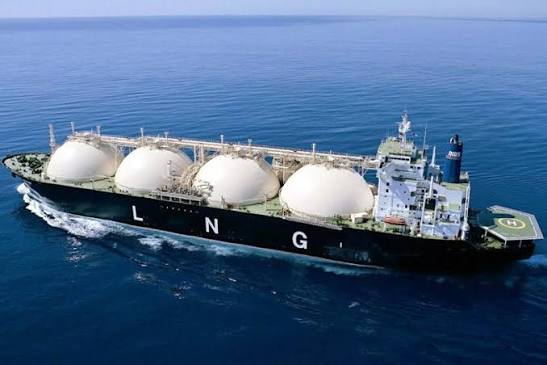
South Korea has built a reputation as the world’s premier hub for LNG carrier construction, combining advanced engineering expertise with decades of shipbuilding experience. As global LNG trade expands to support energy security and cleaner fuel transitions, demand for specialized LNG carriers continues to grow. South Korean shipyards remain at the center of this trend, supplying many of the world’s most technologically advanced vessels. With Korean shipbuilders securing nearly 58% of global large LNG carrier orders in recent months, the country continues to play a pivotal role in shaping the future of LNG transportation.
Market Drivers Advancing the South Korea LNG Carriers Industry
Global LNG Trade Expansion Creating Strong Vessel Demand
The continued growth of global LNG trade is a major catalyst for South Korea’s LNG carriers industry. Countries are increasingly using LNG to diversify energy supplies and support lower-emission power generation. South Korea itself is one of the world’s largest LNG importers, typically ranking among the top three globally and importing around 45 million tonnes annually. Growing LNG volumes worldwide are creating sustained demand for new carriers and fleet modernization, directly benefiting Korean shipbuilders.
Technological Leadership of South Korean Shipyards
South Korea’s competitive advantage lies in its technical expertise. LNG carriers require highly sophisticated cryogenic containment systems capable of transporting gas at approximately-163°C, making them among the most complex commercial vessels in operation. Industry leaders such as HD Hyundai, Samsung Heavy Industries, and Hanwha Ocean have spent decades refining LNG carrier technologies. This expertise continues attracting major shipping companies and energy exporters seeking reliable, high-performance vessels.
Growing Order Books and Export Opportunities
The order momentum remains impressive. South Korean shipbuilders secured 44 out of 76 global large LNG carrier orders, representing approximately 57.9% market share during a recent reporting period. Meanwhile, Samsung Heavy Industries, Hanwha Ocean, and HD Hyundai continue winning multi-billion-dollar LNG carrier contracts from global customers. These strong order books provide long-term revenue visibility and reinforce South Korea’s leadership in high-value shipbuilding.
Government Initiatives Supporting South Korea LNG Carriers Industry
The South Korean government continues to support advanced shipbuilding technologies, maritime exports, and industrial innovation. Policies encouraging research into next-generation LNG cargo containment systems, eco-friendly vessel designs, and maritime decarbonization strengthen the industry’s global competitiveness. In addition, investments in advanced manufacturing, digital shipbuilding technologies, and export-oriented industrial strategies help Korean shipyards maintain leadership in the global LNG carrier segment.
Competitive Landscape of South Korea LNG Carriers Industry
The market is dominated by three global shipbuilding giants: HD Hyundai Heavy Industries, Samsung Heavy Industries, and Hanwha Ocean. Together, these companies account for a substantial share of worldwide LNG carrier construction activity. Competition increasingly focuses on fuel efficiency, cargo capacity optimization, emissions reduction technologies, and intelligent vessel management systems. While Chinese shipbuilders are expanding their presence, Korean companies continue to hold strong positions in high-value LNG carrier projects.
Challenges Facing South Korea LNG Carriers Industry
Intensifying Competition from Chinese Shipyards
Chinese shipbuilders are rapidly increasing their presence in the LNG carrier segment. China’s share of global LNG carrier orders has grown significantly, creating greater competitive pressure on Korean yards.
Capacity Constraints and Delivery Timelines
Strong demand has filled many Korean shipyard slots years in advance. While this reflects healthy market demand, limited capacity can restrict the ability to capture additional orders and may encourage some customers to seek alternative suppliers.
Future Outlook
The outlook for South Korea’s LNG carriers market remains highly positive despite rising competition. Global LNG trade is expected to remain a critical component of energy security strategies, supporting continued vessel demand across major importing and exporting regions. South Korean shipbuilders possess strong technological capabilities, extensive operational experience, and trusted relationships with global customers. While China is expanding its role, South Korea continues to lead in complex LNG vessel construction, holding nearly 58% of global large LNG carrier orders and maintaining one of the strongest positions in the international shipbuilding industry. As LNG shipping requirements evolve toward greater efficiency and sustainability, Korean shipyards are well positioned to remain industry leaders for years to come.
Consultants at Nexdigm, in their latest publication “South Korea LNG Carriers Market Outlook to 2035” analyze the sector By Containment System Type ( GTT Mark III Membrane, GttNO96 Membrane and Moss Rosenberg Spherical), By Propulsion Technology ( Stram Fuel Diesel Electric, Dual Fuel Diesel Electric and Two-Strock Slow Speed Diesel) and By Regional Delivery Destination ( North American Export Hubs, European Import Terminals and East Asian Consumption Markets).
Nexdigm suggests that businesses in “South Korea LNG Carriers Industry” focusses on oilfield, desalination, construction, and industrial applications, strengthen local warehousing, develop application-specific grades, improve technical support, and build resilient sourcing networks to serve expanding energy, water, and manufacturing demand.
To take the next step, simply visit our Request a Consultation page and share your requirements with us.
Harsh Mittal
+91-8422857704