
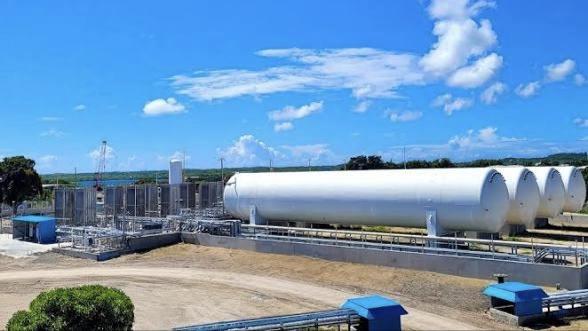
South Korea remains one of the world’s largest importers of liquefied natural gas (LNG), making robust LNG infrastructure a critical component of its energy security strategy. As the country balances industrial growth, power generation requirements, and carbon reduction goals, investments in LNG terminals, storage facilities, regasification plants, and distribution networks continue to gain momentum. LNG accounts for a significant share of South Korea’s power generation mix, while the nation operates several large-scale LNG receiving terminals to support domestic consumption. The market is increasingly shaped by technological upgrades, supply diversification efforts, and long-term energy planning aimed at ensuring reliable and affordable energy access.
Market Drivers Advancing the South Korea LNG Infrastructure Industry
Energy Security and Stable Fuel Supply Remain Top Priorities
South Korea imports nearly all of its natural gas requirements, making LNG infrastructure essential for maintaining a secure energy supply. Geopolitical uncertainties and fluctuations in global energy markets have encouraged the country to expand storage capacity and improve import flexibility. Additional LNG tanks, enhanced regasification capabilities, and upgraded terminal operations help strengthen resilience against supply disruptions while ensuring uninterrupted fuel availability for industries and households.
Industrial and Power Sector Demand Continues to Support Expansion
The country’s manufacturing sector, including petrochemicals, steel, and heavy industries, relies heavily on consistent energy supplies. LNG remains a preferred fuel due to its efficiency and lower emissions compared to coal. Natural gas-fired power plants also play an important role in stabilizing electricity generation and supporting renewable energy integration. As intermittent renewable sources such as solar and wind expand, LNG-based generation provides dependable backup capacity, increasing the need for advanced infrastructure facilities.
Modernization of LNG Terminals and Storage Facilities
South Korea continues investing in modern LNG infrastructure technologies to improve operational efficiency and safety. Smart monitoring systems, automation technologies, and advanced storage solutions are helping operators optimize performance. Several terminals are being equipped with larger storage tanks and enhanced handling capacities, enabling the country to manage growing import volumes more effectively while reducing operational risks.
Government Initiatives Supporting the South Korea LNG Infrastructure Industry
Government energy policies continue to emphasize supply diversification, energy security, and cleaner fuel adoption. Public and private sector collaboration has supported investments in LNG receiving terminals, storage facilities, and transmission infrastructure. Strategic plans also encourage modernization of existing assets while improving flexibility in fuel sourcing. These initiatives aim to strengthen the country’s position as a reliable LNG market and support long-term energy transition objectives.
Competitive Landscape of the South Korea LNG Infrastructure Industry
The market features a mix of state-owned enterprises, energy utilities, terminal operators, engineering firms, and private investors. Major participants focus on expanding import capacity, upgrading storage infrastructure, and enhancing operational efficiency. Competition increasingly revolves around technological innovation, terminal modernization, safety improvements, and the ability to support evolving energy requirements. Strategic partnerships and infrastructure development projects continue to shape the competitive environment.
Challenges Facing South Korea LNG Infrastructure Industry
Exposure to Global LNG Price Volatility
Because South Korea depends heavily on imported LNG, fluctuations in international gas prices can impact infrastructure economics and long-term investment planning. Market participants must continuously adapt procurement and storage strategies to navigate changing market conditions.
Balancing LNG Investments with Energy Transition Goals
While LNG is considered cleaner than traditional fossil fuels, growing investments in renewable energy create long-term uncertainty regarding future demand growth. Infrastructure developers must ensure that new projects remain economically viable while aligning with evolving sustainability objectives.
Future Outlook
The outlook for South Korea’s LNG infrastructure sector remains positive as energy security, industrial demand, and power sector requirements continue to drive investment. Expansion of storage capacity, modernization of existing facilities, and adoption of advanced digital technologies are expected to enhance operational efficiency. LNG is likely to remain an important transitional fuel supporting the country’s broader decarbonization efforts. As South Korea strengthens its energy resilience and integrates more renewable power into the grid, LNG infrastructure will continue playing a pivotal role in ensuring stable and reliable energy supplies across the nation.
Consultants at Nexdigm, in their latest publication “South Korea LNG Infrastructure Market Outlook to 2035“ analyze the sector By Infrastructure Type (Receiving and Regasification Terminals and LNG Storage Systems), By End User Sector (Power Generation Utilities and Industrial Petrochemical Feedstock) and By Geographical Region (Seoul Metropolitan Area and Gyeonggi Province Industrial Belt).
Nexdigm suggests that businesses in “South Korea LNG Infrastructure Industry” focusses on oilfield, desalination, construction, and industrial applications, strengthen local warehousing, develop application-specific grades, improve technical support, and build resilient sourcing networks to serve expanding energy, water, and manufacturing demand.
To take the next step, simply visit our Request a Consultation page and share your requirements with us.
Harsh Mittal
+91-8422857704