
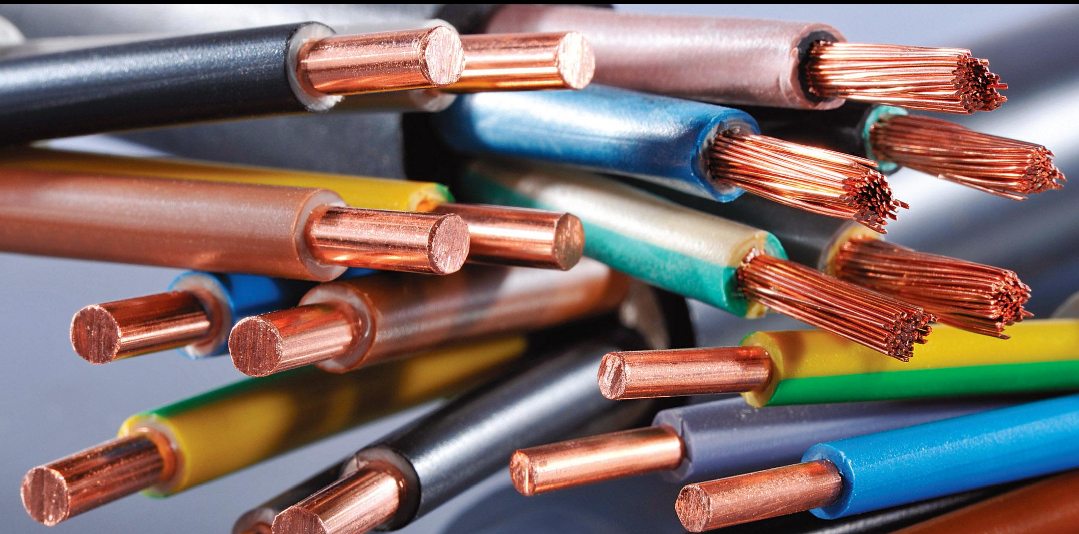
South Korea low voltage cable sector is experiencing steady growth, supported by expanding construction activity, industrial modernization, and increasing demand for energy-efficient electrical systems. The sector reached a valuation of approximately USD 2.45 billion and is projected to grow at a 4.8% CAGR over the forecast period. Low voltage cables play a critical role in residential buildings, commercial facilities, manufacturing plants, and infrastructure projects. Rising urban development in cities such as Incheon and continued industrial expansion in Ulsan are creating sustained demand for reliable and compliant wiring solutions, particularly advanced low-smoke zero-halogen (LSZH) cables that enhance safety and operational efficiency.
Market Drivers Advancing South Korea Low Voltage Cable Sector
Expanding Construction and Infrastructure Development
South Korea continues to invest heavily in residential, commercial, and public infrastructure projects. Growing urbanization and redevelopment initiatives have increased the need for standardized electrical wiring systems across apartments, office complexes, transportation facilities, and smart buildings. Low voltage cables remain essential for power distribution, lighting, communication networks, and safety systems, driving consistent sector expansion.
Rising Industrial Automation Requirements
Industrial hubs such as Ulsan are witnessing ongoing investments in petrochemical facilities, manufacturing plants, and automation technologies. Automated production systems require highly reliable cable networks capable of supporting uninterrupted operations. As factories adopt Industry 4.0 technologies, demand for durable low voltage cables with enhanced performance characteristics is increasing steadily.
Growing Preference for Energy-Efficient and Safe Cabling
The adoption of modern building energy management systems is accelerating across South Korea. These systems require advanced cabling solutions that improve performance while meeting stringent safety standards. Demand for LSZH cables has risen significantly due to their reduced smoke emissions and improved fire resistance. Furthermore, stricter safety regulations concerning electromagnetic interference and fire propagation resistance are encouraging developers and industrial users to upgrade existing electrical infrastructure with higher-specification cable products.
Government Initiatives Supporting South Korea Low Voltage Cable Growth
The South Korean government continues to support sustainable industrial development and energy-efficient construction practices. Policies aligned with national carbon-reduction objectives encourage manufacturers to adopt environmentally responsible production processes and integrate recycled materials into cable manufacturing. Additionally, regulatory oversight from organizations such as the Korea Electrical Safety Corporation (KESCO) promotes adherence to advanced safety standards. Government-backed smart city projects and infrastructure modernization programs further strengthen demand for reliable low voltage cabling solutions across multiple applications.
Competitive Landscape of South Korea Low Voltage Cable Industry
The sector is characterized by the presence of established domestic manufacturers with strong production capabilities and extensive distribution networks. Companies such as LS Cable & System continue to invest in production optimization, technology upgrades, and product innovation to maintain competitiveness. Industry participants are focusing on high-performance and environmentally sustainable cable solutions while expanding manufacturing efficiency to mitigate fluctuations in raw material prices, particularly copper and insulation polymers.
Challenges Impacting South Korea Low Voltage Cable Industry
Raw Material Price Volatility
Fluctuations in copper and polymer prices remain a significant challenge for manufacturers. Changes in global commodity markets can directly affect production costs and profit margins, creating uncertainty across the supply chain.
Increasing Regulatory Compliance Requirements
Manufacturers must continuously adapt products to comply with evolving safety and environmental regulations. Meeting stricter standards related to fire resistance, emissions, and electromagnetic compatibility often requires additional investments in research, testing, and production upgrades, which may increase operational expenses.
Future Outlook
The future of the South Korea low voltage cable Industry remains positive due to ongoing infrastructure development, industrial automation, and modernization projects. Increasing electrification across residential and commercial applications is expected to sustain long-term demand.
Consultants at Nexdigm, in their latest publication “South Korea Low Voltage Cable Market to 2035,” analyze the sector By (Defining LV Cable Voltage Ranges, Top-Down Aggregate Consumption Modeling, Bottom-Up Production Capacity Assessment, KEPCO Procurement Data Review, Trade Association Volume Triangulation,).
Nexdigm suggests that businesses in the South Korea Low Voltage Cable Industry focus on expanding production efficiency, adopting advanced LSZH cable technologies, strengthening regulatory compliance, and integrating sustainable manufacturing practices to capitalize on growing infrastructure development, industrial automation, and energy-efficient construction opportunities.
To take the next step, simply visit our Request a Consultation page and share your requirements with us.
Harsh Mittal
+91-8422857704