
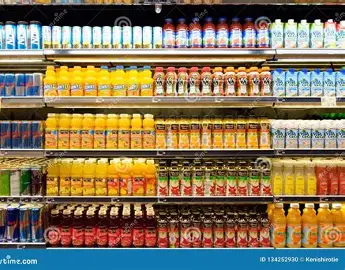
South Korea’s non-alcoholic beverages market is evolving rapidly, supported by changing consumer lifestyles, rising health awareness, and strong demand for convenience-focused products. The country’s beverage industry generates over KRW 20 trillion in annual sales, while a population of approximately 52 million consumers continues to drive demand for ready-to-drink (RTD) coffee, tea, functional beverages, bottled water, sports drinks, and sugar-free refreshment products. South Korea is also among Asia’s most digitally connected economies, with high e-commerce penetration and advanced retail infrastructure. As consumers increasingly prioritize wellness, immunity, hydration, and premium beverage experiences, the non-alcoholic beverages market is expected to witness sustained growth through 2035.
Key Market Drivers for South Korea’s Non-Alcoholic Beverages Market
High Coffee Consumption and RTD Beverage Culture Drive Market Expansion
South Korea is one of the world’s most coffee-oriented markets, with annual coffee consumption exceeding 400 cups per person, significantly above the global average. The country operates more than 100,000 coffee shops and cafés, creating a strong coffee-drinking culture that extends into ready-to-drink (RTD) coffee products. Convenience stores, which exceed 55,000 outlets nationwide, play a critical role in beverage distribution, supporting strong sales of canned coffee, bottled tea, energy drinks, and functional beverages. As busy urban lifestyles continue to increase demand for convenient on-the-go consumption, RTD beverages remain one of the fastest-growing segments within the non-alcoholic drinks market.
Health-Conscious Consumers Accelerate Demand for Functional and Low-Sugar Beverages
Changing dietary preferences and growing health awareness are reshaping South Korea’s beverage industry. The country faces one of the world’s fastest-aging populations, with individuals aged 65 and above accounting for nearly 20% of the population, a figure expected to rise substantially over the next decade. This demographic shift is encouraging demand for functional beverages containing probiotics, vitamins, collagen, protein, dietary fiber, and immunity-support ingredients. At the same time, increasing concerns regarding sugar consumption have accelerated growth in zero-sugar and low-calorie beverages, with manufacturers expanding healthier product portfolios to meet evolving consumer preferences.
Digital Retail Growth and Premiumization Create New Revenue Opportunities
South Korea possesses one of the most advanced e-commerce ecosystems globally, with online retail penetration among the highest in Asia. The country’s e-commerce market exceeds USD 150 billion annually, enabling beverage brands to reach consumers through direct-to-consumer channels, quick-commerce platforms, and digital subscription services. Additionally, rising disposable incomes and strong interest in premium lifestyle products are encouraging consumers to spend more on imported beverages, functional hydration products, premium bottled water, sparkling beverages, and plant-based drinks. This premiumization trend is helping manufacturers improve margins while introducing innovative products tailored to wellness-conscious consumers.
Government Initiatives Supporting South Korea’s Non-Alcoholic Beverages Market
The South Korean government continues to support the beverage industry through national health, food safety, and sustainability initiatives. Policies promoting reduced sugar consumption, improved nutritional labeling, and healthier dietary habits are encouraging manufacturers to expand low-calorie, zero-sugar, and functional beverage portfolios. In addition, South Korea has established ambitious environmental goals, including increasing recycling rates and reducing plastic waste through circular economy programs. The country maintains one of Asia’s most advanced food manufacturing sectors, while consumer spending on food and beverages remains strong across its 52 million population. Government support for smart manufacturing, sustainable packaging technologies, and digital retail innovation is creating favorable conditions for continued growth and product innovation across the non-alcoholic beverages industry.
Competitive Landscape of South Korea’s Non-Alcoholic Beverages Market
South Korea’s non-alcoholic beverages market is highly competitive, driven by strong consumer demand for convenience, wellness, and premium product experiences. The market benefits from a beverage industry valued at more than KRW 20 trillion, annual coffee consumption exceeding 400 cups per capita, and a nationwide network of over 55,000 convenience stores, which serve as a major sales channel for ready-to-drink beverages. Competition is particularly intense across RTD coffee, functional drinks, bottled water, sports beverages, energy drinks, and low-sugar refreshment products. Market participants are increasingly investing in functional ingredients, sustainable packaging solutions, AI-driven consumer analytics, and e-commerce channels as South Korea’s online retail market exceeds USD 150 billion, creating new opportunities for product differentiation and consumer engagement.
Major Challenges Facing South Korea’s Non-Alcoholic Beverages Market
Mature Market Conditions Intensify Competition
South Korea’s beverage industry is relatively mature, making volume-driven growth challenging in certain traditional categories. Manufacturers must focus on innovation, premiumization, and functional benefits to maintain market share and profitability.
Rising Production and Raw Material Costs
Fluctuating prices of ingredients, packaging materials, and energy continue to place pressure on manufacturers. Companies must balance affordability with investments in product innovation, sustainability initiatives, and premium packaging solutions.
Future Outlook
South Korea’s Non-Alcoholic Beverages Market is expected to grow steadily through 2035, driven by increasing demand for functional beverages, premium RTD coffee, health-oriented drinks, and sustainable product offerings. With annual coffee consumption exceeding 400 cups per person, a beverage industry valued at over KRW 20 trillion, and a digitally connected consumer base of approximately 52 million people, opportunities for innovation remain substantial. Growth in e-commerce channels, wellness-focused products, plant-based beverages, and eco-friendly packaging solutions is expected to further support market expansion. Companies that prioritize functional nutrition, premium experiences, and sustainability initiatives will be best positioned to capitalize on evolving consumer preferences.
Consultants at Nexdigm, in their latest publication “South-Korea Non-Alcoholic Beverages Market Outlook to 2035,” analyse the sector By Product Type (Sugar-Free Colas, Fruit-Flavoured Sparkling Waters and Craft Sodas), By Consumer Demographics (Gen Z Students and Millennial Office Workers) and By Packaging Format (PET bottles, Aluminum Cans and Glass Bottles).
Nexdigm suggests that businesses in South Korea’s Non-Alcoholic Beverages Industry prioritize functional beverage innovation, premium ready-to-drink product development, low-sugar formulations, and sustainable packaging solutions to capitalize on the country’s KRW 20 trillion+ beverage industry, high per-capita coffee consumption, advanced retail ecosystem, and growing consumer demand for health-focused and convenience-driven beverage products.
To take the next step, simply visit our Request a Consultation page and share your requirements with us.
Harsh Mittal
+91-8422857704